
Wisdom Teeth Removal: Signs, Cost, Procedure & Recovery (Guide)
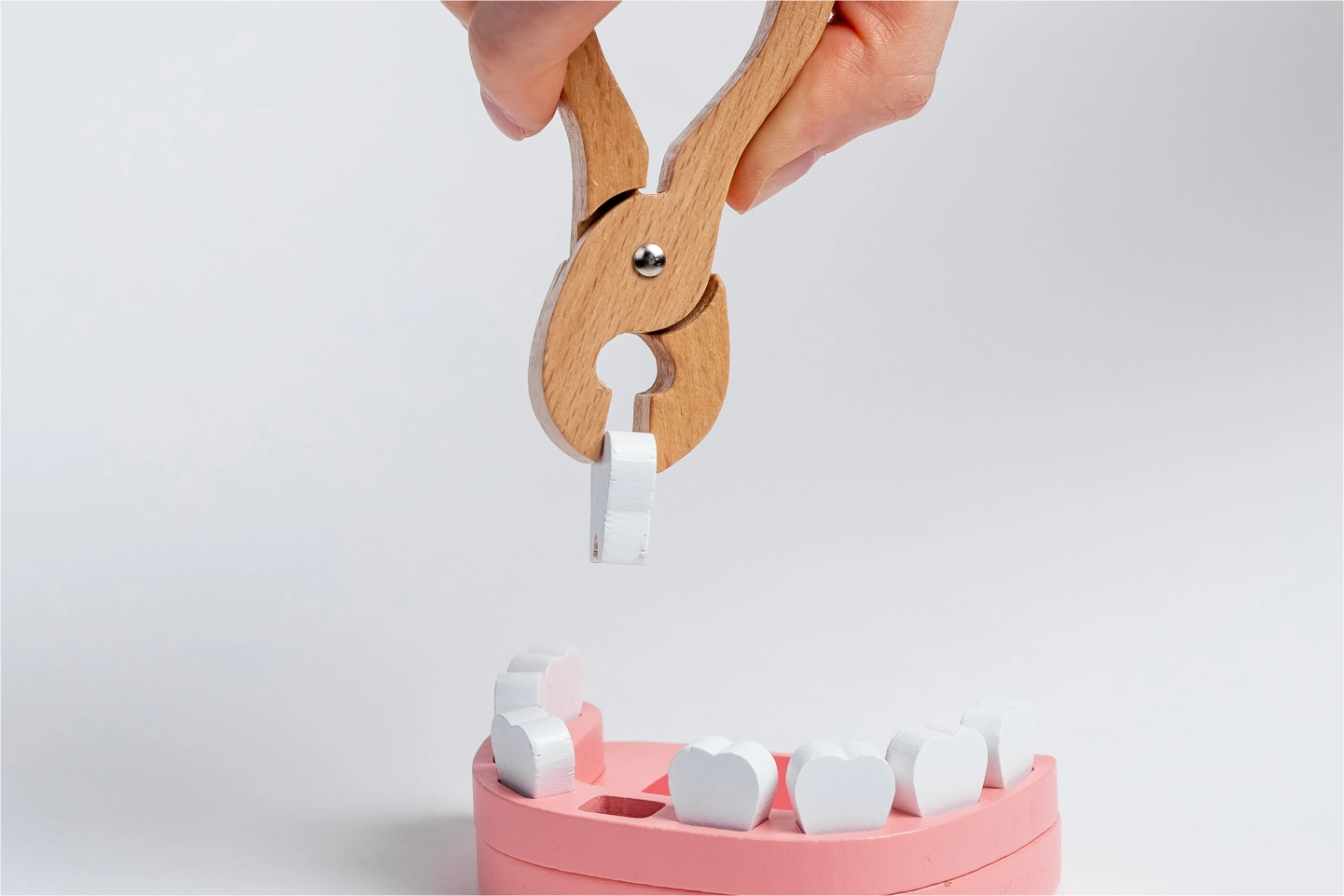
Wisdom teeth removal is one of the most commonly recommended dental procedures, especially for patients experiencing pain, crowding, or complications from impacted teeth. If your dentist has advised removing your wisdom teeth, understanding the signs, procedure, cost, and recovery process can help you make a confident and informed decision.
This comprehensive guide walks you through everything you need to know about wisdom teeth removal and how it supports your long-term oral health.
What Are Wisdom Teeth?
Wisdom teeth are the third set of molars that usually emerge between the ages of 17 and 25. While some individuals experience no issues, many people develop problems due to limited space in the jaw.
When wisdom teeth don’t have enough room to grow properly, they may become impacted, meaning they remain trapped under the gums or grow at an angle. This can lead to discomfort, infection, and damage to nearby teeth.
Signs You May Need Wisdom Teeth Removal
Not everyone requires removal, but several signs indicate it may be necessary:
- Persistent pain or pressure in the back of the mouth
- Swelling, tenderness, or bleeding gums
- Jaw stiffness or difficulty opening your mouth
- Recurring infections or bad breath
- Food getting trapped around partially erupted teeth
- Crowding or shifting of nearby teeth
If you notice any of these symptoms, it’s important to seek a professional evaluation before the condition worsens.
Why Do Dentists Recommend Wisdom Teeth Removal?
Even if symptoms are mild or not yet present, dentists often recommend early removal to prevent complications such as:
- Impacted teeth that cannot erupt properly
- Increased risk of gum infections and decay
- Damage to adjacent teeth
- Development of cysts or bone issues
- Orthodontic complications due to crowding
Early intervention is always better than emergency dentistry treatment after pain or infection sets in. Addressing the issue proactively helps ensure a smoother procedure and recovery.
Wisdom Teeth Removal Procedure (Step-by-Step)
The wisdom teeth extraction process is straightforward and performed with patient comfort as a priority.
1. Consultation & Imaging
Your dentist will examine your teeth and take digital X-rays to assess the position of your wisdom teeth and determine the best approach.
2. Anesthesia
Depending on your case, local anesthesia, sedation, or general anesthesia may be used to ensure a pain-free experience.
3. Tooth Removal
- A small incision may be made in the gum
- The tooth may be divided into smaller sections for easier removal
- The tooth is gently extracted
4. Cleaning & Stitching
The area is cleaned thoroughly, and stitches may be placed to promote proper healing.
5. Post-Procedure Care
Gauze is applied to control bleeding and help form a protective clot.
How Much Does Wisdom Teeth Removal Cost?
The cost of wisdom teeth removal depends on several factors:
- Number of teeth being removed
- Whether the teeth are impacted
- Type of anesthesia used
- Complexity of the procedure
Estimated Cost:
- Simple extraction: $150 – $300 approx per tooth
- Surgical extraction: $300 – $600+ approx per tooth
Many dental insurance plans cover a portion of the procedure. Consult a professional doctor for a more accurate estimate tailored to your needs.
Recovery Timeline: What to Expect!
Healing after wisdom teeth removal is typically smooth when proper care is followed.
First 24 Hours
- Mild bleeding and swelling
- Rest is essential
- Ice packs help reduce inflammation
Days 2–3
- Swelling may peak and gradually decrease
- Soft foods like soups, yogurt, and mashed potatoes are recommended
Week 1
- Most discomfort subsides
- Stitches may dissolve or be removed
Full Healing
- Complete healing may take a few weeks depending on the case
Real Patient Example!
A patient in their early 20s visited the clinic with mild discomfort but no severe pain. Imaging revealed impacted wisdom teeth growing at an angle toward adjacent molars.
Although symptoms were minimal at the time, the dentist recommended early removal to prevent future complications. The patient underwent a planned wisdom teeth extraction procedure with minimal discomfort and a smooth recovery.
By choosing early treatment, the patient avoided potential infection, crowding, and a more complex surgical procedure later. This highlights the importance of timely evaluation and proactive care.
Tips for a Smooth Recovery
To ensure proper healing and avoid complications:
- Follow your dentist’s post-operative instructions carefully
- Avoid smoking and using straws for a few days
- Stick to soft foods during initial recovery
- Maintain gentle oral hygiene
- Take prescribed medications as directed
These steps can significantly reduce discomfort and speed up recovery.
Are Wisdom Teeth Removal Procedures Painful?
With modern dental techniques, wisdom teeth removal is typically not painful during the procedure. Anesthesia ensures comfort, and any post-procedure discomfort is usually manageable with medication and proper care.
Final Thoughts on Wisdom Teeth Removal
Wisdom teeth removal is a preventive and restorative procedure that protects your oral health and helps avoid future complications. Recognizing early signs, understanding the process, and taking timely action can make the experience much smoother.
Early intervention is always better than emergency dentistry treatment after pain or infection sets in. Taking a proactive approach ensures better outcomes, less discomfort, and a faster recovery. If you're experiencing symptoms or have been advised to remove your wisdom teeth, it’s best to consult a professional for a thorough evaluation.
Visit a dentist in Schaumburg to learn more about your options and get personalized care tailored to your needs.
FAQs on Wisdom Teeth Extraction
What are the signs that my wisdom teeth need to be removed?
Common signs include pain or pressure at the back of your mouth, swollen or bleeding gums, jaw stiffness, bad breath, and difficulty opening your mouth. You may also notice crowding or shifting of nearby teeth. In some cases, impacted wisdom teeth may not cause immediate symptoms but can still lead to future complications, which is why regular dental check-ups are important.
Why do dentists recommend removing them early (e.g., ages 17–25)?
Dentists often recommend removal between ages 17 and 25 because the roots are not fully developed, and the bone is less dense. This makes the procedure easier, reduces the risk of complications, and allows for faster healing. Early removal can also prevent issues like impaction, infection, and damage to nearby teeth.
How long does the surgery take?
Wisdom teeth removal is usually a quick procedure. In most cases, it takes about 20 to 45 minutes, depending on the number of teeth being removed and their position. More complex cases, such as impacted teeth, may take slightly longer.
What can I eat after the surgery?
After surgery, it’s best to stick to soft foods that are easy to chew and won’t irritate the surgical site. Good options include yogurt, mashed potatoes, smoothies, applesauce, soup, and scrambled eggs. Avoid hard, crunchy, spicy, or hot foods for a few days, as they can disrupt healing.
Will it hurt after the anesthesia wears off?
Some discomfort is normal after the anesthesia wears off, but it is usually manageable. Your dentist may prescribe pain medication or recommend over-the-counter options to keep you comfortable. Following aftercare instructions can significantly reduce pain and speed up recovery.
How long will the swelling last?
Swelling is a normal part of the healing process and typically peaks within the first 48–72 hours after surgery. It gradually decreases over the next few days. Using ice packs during the first 24 hours can help minimize swelling.
Does dental insurance cover wisdom teeth extraction?
Many dental insurance plans cover part or all of the cost of wisdom teeth extraction, especially if it is considered medically necessary. Coverage varies depending on your plan, so it’s best to check with your provider or dental office for specific details.

Contact Us
Our staff is happy to hear from you! Fill out our simple form to schedule your next visit and experience exceptional dental care in Schaumburg.

Email: office@sdsdentist.com
Phone: 847-882-3333

Monday: Closed
Tuesday–Thursday: 9:00 a.m. to 6:00 p.m.
Friday: 8:00 a.m. to 4:00 p.m.
Saturday: 8:00 a.m. to 2:00 p.m.
Sunday: Closed

We offer comprehensive dental services for all ages. Trust us as your go-to family dental office.


