
What Is the Bioclear Method?
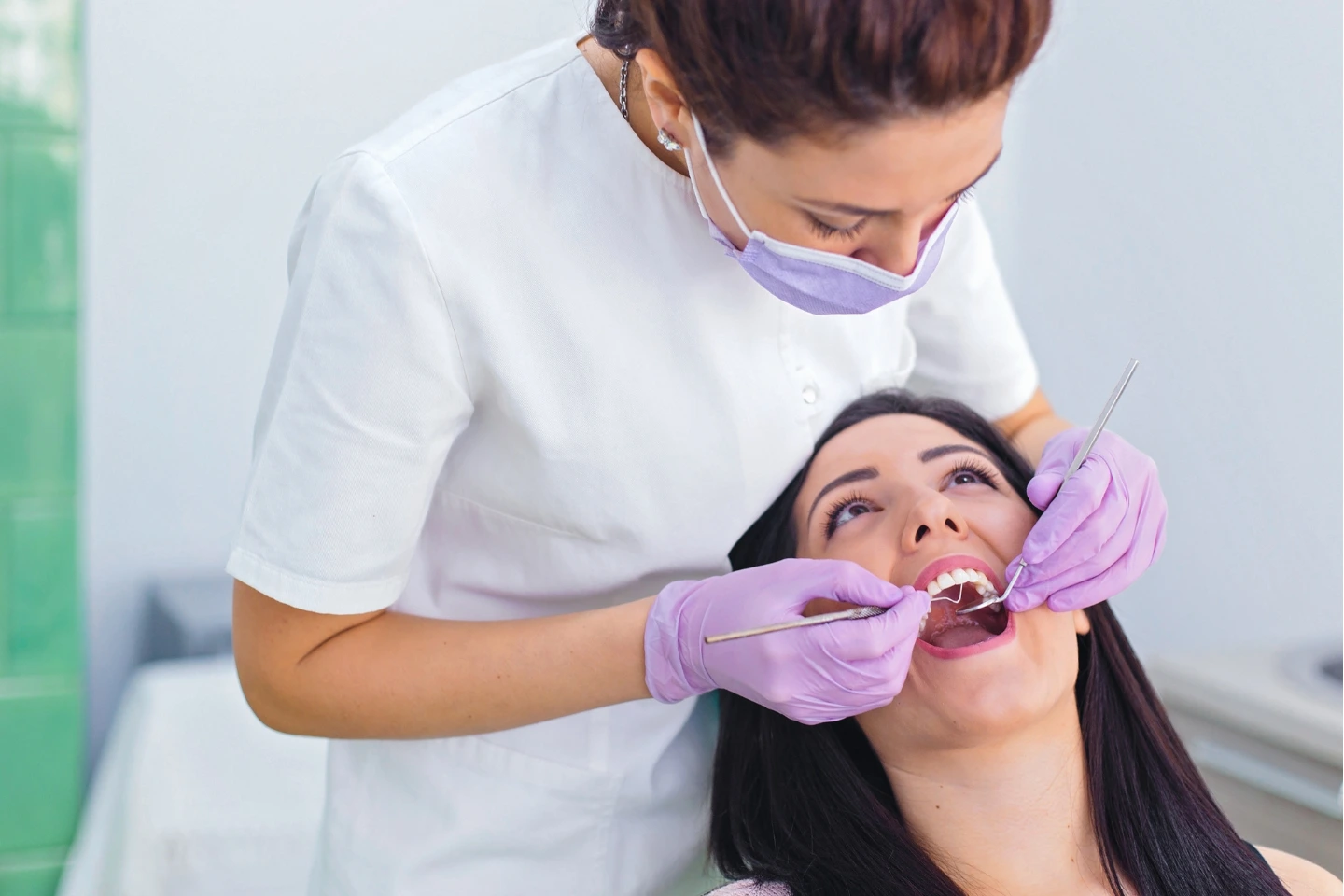
If you have chipped, worn, discolored, or misshapen teeth, you may have heard about a dental technique called Bioclear.
But what is Bioclear, exactly?
Bioclear is a restorative dentistry method that uses composite resin, specialized matrices, heat, and carefully controlled techniques to rebuild and reshape teeth. Unlike traditional fillings that are primarily focused on repairing decay, Bioclear can also be used for cosmetic and restorative improvements.
One reason patients are interested in Bioclear dental treatment is its conservative approach. In appropriate cases, the technique can allow a dentist to improve the appearance and function of a tooth while preserving a substantial amount of healthy natural structure.
Schaumburg Dental Studio can determine whether Bioclear is appropriate for your teeth and your goals.
What Is Bioclear in Dentistry?
Bioclear in dentistry is a technique for restoring teeth using composite material and specialized forms known as matrices.
The matrix helps shape the composite around the tooth. This can allow the dentist to create a restoration with controlled contours and a close fit to the natural tooth.
How Is Bioclear Different From Traditional Bonding?
Traditional bonding typically involves applying composite directly to the tooth and sculpting it into shape.
Bioclear uses specialized matrices to help form the restoration.
Both approaches can be conservative, but Bioclear may provide additional control when a tooth requires a larger or more carefully shaped restoration.
What Is Bioclear Used For?
Bioclear can be considered for several cosmetic and restorative concerns.
Chipped Teeth
Small or moderate chips can sometimes be rebuilt with composite.
Worn Teeth
Teeth that have become worn from grinding, clenching, age, or other factors may benefit from restorative reshaping when appropriate.
Gaps Between Teeth
Composite can sometimes be used to alter tooth shape and reduce the appearance of spaces.
Black Triangles
Bioclear may help reduce the appearance of black triangles by changing the contours of adjacent teeth.
Damaged Existing Restorations
In selected cases, Bioclear may be used as part of a restorative treatment plan when traditional restorations are not ideal.
What Happens During a Bioclear Procedure?
Treatment varies depending on the tooth and the reason for treatment, but the general process involves several stages.
Evaluation
Your dentist first examines your teeth, gums, bite, and existing restorations.
Treatment Planning
The dentist determines whether Bioclear can achieve the desired result and whether other treatments should be considered.
Tooth Preparation
The tooth is carefully prepared while preserving healthy structure whenever possible.
Matrix Placement
A specialized matrix is positioned around the tooth to create the desired shape.
Composite Placement
Composite material is placed and adapted within the matrix.
Heat and Shaping
Controlled heat and specialized instruments may be used to help the composite adapt and achieve the planned form.
Finishing and Polishing
The restoration is carefully shaped, adjusted to the bite, and polished.
What Are the Benefits of Bioclear?
The Bioclear method may offer several advantages in appropriate situations.
Tooth Conservation
One of the biggest attractions is the focus on preserving natural tooth structure.
Natural-Looking Results
Composite can be shaped and polished to blend with surrounding teeth.
Versatility
Bioclear may be used for both cosmetic and restorative concerns.
Repairability
Composite restorations can often be repaired or modified if necessary.
No Porcelain Fabrication Process
Unlike veneers, Bioclear restorations are created directly on the tooth rather than being fabricated as separate porcelain shells.
Bioclear vs Traditional Veneers
Patients sometimes compare Bioclear vs traditional veneers when considering cosmetic treatment.
Veneers are custom-made shells designed to cover the visible surface of teeth. Bioclear uses composite material directly around the tooth.
When Bioclear May Make Sense
Bioclear may be appealing if you want a conservative restoration and your concerns can be addressed by reshaping or rebuilding the natural tooth.
When Veneers May Be Considered
Veneers may be more appropriate when multiple teeth need comprehensive cosmetic changes involving color, size, shape, or symmetry.
Neither treatment is universally superior.
Bioclear vs Bonding
Bioclear and bonding are closely related because both can involve composite resin.
The difference is largely in the technique used to create the restoration.
Traditional bonding can be excellent for small cosmetic corrections. Bioclear may be advantageous when more extensive rebuilding or controlled shaping is required.
How Long Does Bioclear Last?
The longevity of a Bioclear restoration varies based on factors such as bite, tooth location, oral hygiene, restoration size, and habits such as clenching or grinding.
Composite restorations can last for years with proper care, but no dental restoration should be considered indestructible.
Caring for Bioclear Restorations
Brush and Clean Between Your Teeth
Good oral hygiene protects both the restoration and the surrounding tooth.
Avoid Using Teeth as Tools
Biting pens, opening packages, or chewing hard objects can damage composite.
Manage Teeth Grinding
If you grind or clench, your dentist may recommend a nightguard or other protective strategy.
Maintain Regular Dental Visits
Routine examinations allow your dentist to monitor the restoration and surrounding tissues.
Is Bioclear Right for Everyone?
No.
The Bioclear method may be an excellent option for some patients but inappropriate for others. Severe structural damage, active gum disease, extensive decay, or certain bite conditions may require a different treatment.
A thorough evaluation should come before choosing a cosmetic or restorative procedure.
Discover What Bioclear Can Do for Your Smile
If you are searching for “what is Bioclear” because you want a conservative alternative to more extensive cosmetic treatment, a personalized evaluation is the best place to start.
Schaumburg Dental Studio can examine your teeth, explain whether Bioclear is appropriate, and compare it with bonding, veneers, crowns, or other restorative options when needed.
Schedule a consultation with Schaumburg Dental Studio, your dentist in Schaumburg, IL, to explore your options for a healthier, more confident smile.
Frequently Asked Questions
What is Bioclear for teeth?
Bioclear is a composite-based restorative technique used to rebuild, reshape, and improve certain teeth while focusing on conserving natural tooth structure.
What is Bioclear dental treatment used for?
It can be used for selected chipped, worn, misshapen, damaged, or spaced teeth and may also help improve certain black triangles.
Is Bioclear the same as bonding?
No. Both may use composite resin, but Bioclear uses specialized matrices and techniques to create the restoration.
Is Bioclear better than veneers?
Not necessarily. Bioclear and veneers are different treatments. The better choice depends on your tooth condition and cosmetic goals.
Can Bioclear fix worn teeth?
It can be used to restore certain worn teeth, provided the underlying cause and overall oral health are appropriately addressed.
Does Bioclear require drilling?
The amount of preparation varies. One advantage of the technique is its emphasis on preserving healthy tooth structure whenever clinically appropriate.
Does Bioclear look natural?
Yes. Composite can be carefully shaped, layered, and polished to create a natural appearance.
Can Bioclear close gaps?
Bioclear can sometimes be used to alter tooth contours and reduce the appearance of certain spaces.
Can Bioclear fix black triangles?
It may help in selected cases by changing the shape of the teeth around the space.
How long does Bioclear last?
The lifespan varies between patients and depends on factors such as bite forces, oral hygiene, restoration size, and personal habits.

Contact Us
Our staff is happy to hear from you! Fill out our simple form to schedule your next visit and experience exceptional dental care in Schaumburg.

Email: office@sdsdentist.com
Phone: 847-882-3333

Monday: Closed
Tuesday–Thursday: 9:00 a.m. to 6:00 p.m.
Friday: 8:00 a.m. to 4:00 p.m.
Saturday: 8:00 a.m. to 2:00 p.m.
Sunday: Closed

We offer comprehensive dental services for all ages. Trust us as your go-to family dental office.


