
What Is a Dental Implant? Benefits, Procedure & Uses Explained
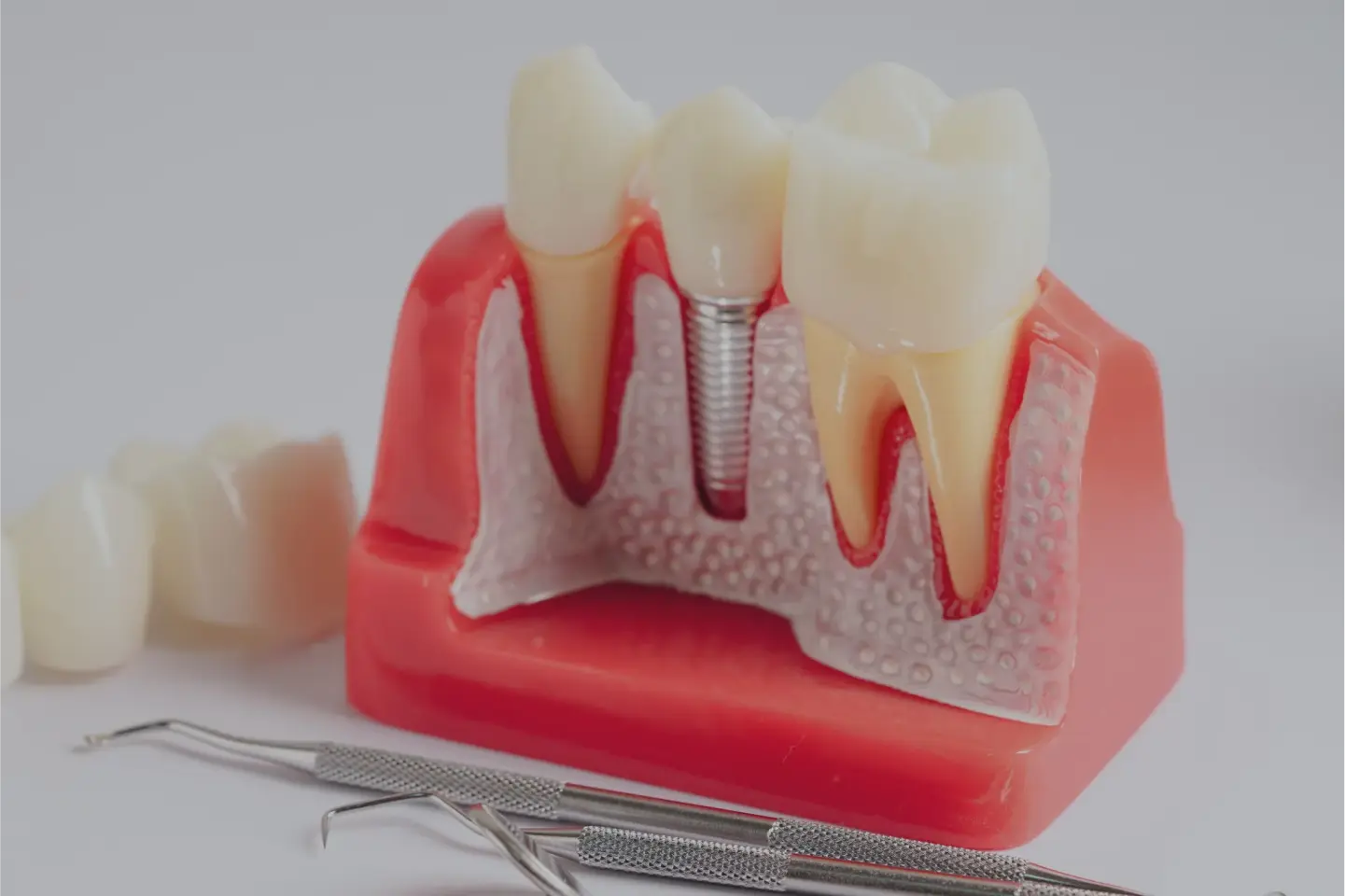
A dental implant is a modern and highly effective solution for replacing missing teeth. It consists of a small titanium post that is surgically placed into the jawbone to act as an artificial tooth root. Over time, the implant bonds with the bone, creating a strong and stable foundation for a replacement tooth such as a crown, bridge, or denture.
Dental implants are widely considered one of the best tooth replacement options available today because they not only restore the appearance of your smile but also improve overall oral health and functionality. Unlike traditional solutions, implants provide a long-term and natural-looking result.
How Do Dental Implants Work?
Dental implants work by mimicking the structure of natural teeth. The titanium post integrates with the jawbone through a process called osseointegration, which ensures strength and durability. Once the implant has healed, a custom-made crown is placed on top, restoring both the look and function of a natural tooth.
This advanced solution allows patients to eat, speak, and smile confidently without worrying about slipping or discomfort. If you are considering this treatment, you can explore how dental implants improve oral health and long-term function.
What Are Dental Implants Used For?
Dental implants are used to replace missing teeth in a variety of situations. They are suitable for replacing a single missing tooth, supporting bridges for multiple missing teeth, stabilizing dentures, and even full-mouth restorations. Their versatility makes them an ideal solution for patients seeking a permanent and reliable alternative.
For patients comparing treatment options, understanding the advantages of full-arch dental implants vs dentures can help in making an informed decision.
Dental Implant Process
To give you a clear understanding of what to expect, here’s a step-by-step breakdown of the dental implant procedure:
1. Initial Consultation
The process begins with a comprehensive evaluation of your oral health. Your dentist will examine your gums, teeth, and jawbone using X-rays or 3D scans to determine your suitability and create a customized treatment plan.
2. Tooth Extraction (If Needed)
If a damaged or decayed tooth is present, it will need to be removed before the implant procedure. In some cases, the implant can be placed immediately after extraction.
3. Bone Grafting (If Necessary)
If your jawbone is not strong enough, a bone graft may be required to create a stable base for the implant. Healing may take several weeks to months.
4. Implant Placement
The titanium implant post is surgically placed into the jawbone under local anesthesia. This post acts as the root of the new tooth. Patients often ask about timelines, and you can learn more about how long it takes to implant a tooth before starting treatment.
5. Healing and Osseointegration
The implant fuses with the bone during this healing phase, ensuring long-term stability. Many patients also wonder about safety, and research shows that dental implants are safe in the long run when properly maintained.
6. Abutment Placement
After healing, an abutment is attached to connect the implant to the final restoration.
7. Crown Placement
A custom-made crown is placed on the implant, completing the process and restoring your smile.
Benefits of Dental Implants
Dental implants offer several advantages, including a natural appearance, improved chewing ability, long-term durability, and preservation of jawbone health. They also eliminate the need to alter adjacent teeth, making them a healthier option compared to traditional bridges.
If you're evaluating cost vs value, it’s helpful to understand affordable dental implant options and how they compare over time.
According to research on dental implant success rates and outcomes, dental implants have consistently high success rates and long-term reliability, making them a preferred choice for tooth replacement.
Who Is a Good Candidate for Dental Implants?
Most individuals with good oral health and sufficient bone density are suitable candidates for dental implants. A professional evaluation is necessary to determine eligibility and ensure the best results.
Patients concerned about complications should also understand the risk of gum disease around implants and how proper care can prevent issues. Contact our dentist for better information.
How to Care for Dental Implants
Maintaining dental implants is simple. Regular brushing, flossing, and routine dental visits are essential to keep them in excellent condition. Avoiding smoking and following your dentist’s advice will help extend their lifespan.
It’s also important to be aware of potential pitfalls, such as choosing low-cost options without research—learn more about the truth about cheap dental implants before making a decision.
Dental implants are a reliable and advanced solution for restoring missing teeth and improving overall oral health. With their natural look, durability, and long-term benefits, they are an excellent investment in your smile. To learn more or get started, you can consult with the experts at Schaumburg Dental Studio and take the first step toward a confident smile.
FAQs on Benefits of Dental Implants
Are dental implants worth the cost long-term?
Yes, dental implants are considered a long-term investment because they can last decades with proper care. They also improve functionality, prevent bone loss, and provide a natural look, making them more beneficial than temporary solutions.
What is the success rate of dental implants?
Dental implants have a high success rate, typically around 95% or higher. Success depends on factors such as oral health, lifestyle habits, and proper aftercare.
Who is not a good candidate for dental implants?
People with severe bone loss, uncontrolled diabetes, or poor oral hygiene may not be ideal candidates. However, additional procedures like bone grafting can sometimes make implants possible.

Contact Us
Our staff is happy to hear from you! Fill out our simple form to schedule your next visit and experience exceptional dental care in Schaumburg.

Email: office@sdsdentist.com
Phone: 847-882-3333

Monday: Closed
Tuesday–Thursday: 9:00 a.m. to 6:00 p.m.
Friday: 8:00 a.m. to 4:00 p.m.
Saturday: 8:00 a.m. to 2:00 p.m.
Sunday: Closed

We offer comprehensive dental services for all ages. Trust us as your go-to family dental office.


