
Top Signs You Might Need a Dental Crown
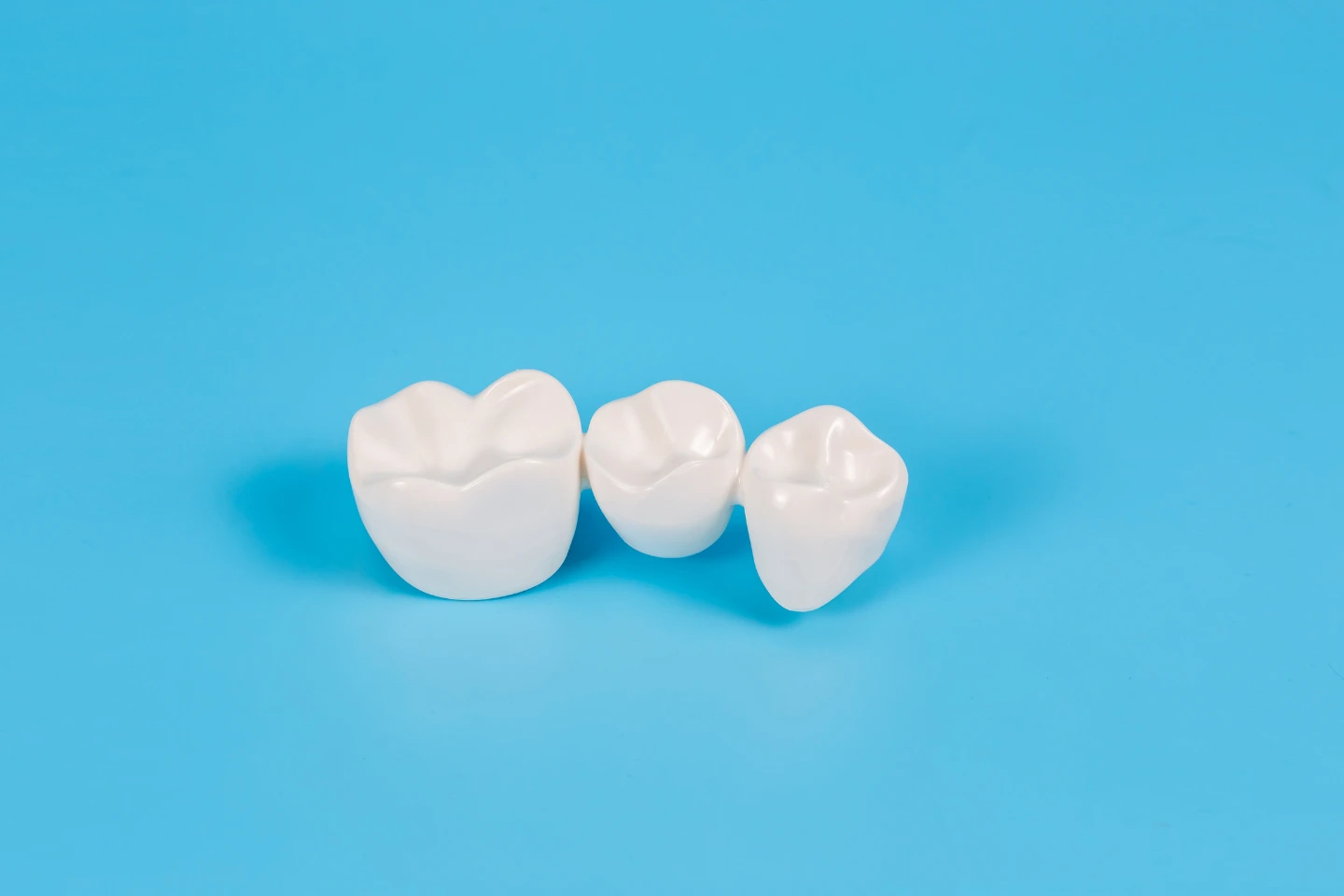
Dental crowns play an essential role in modern restorative dentistry. They protect weakened teeth, improve function, and restore natural appearance. While fillings can repair minor tooth damage, there are situations where a crown becomes the most reliable and long-lasting solution. Many patients do not realize they need a crown until pain, sensitivity, or functional problems begin to interfere with daily life.
Knowing the signs early helps you seek timely treatment and avoid complications such as tooth fractures, infections, or complete tooth loss. This guide explains the top signs you might need a dental crown, why it is an important dental restoration, and when it is best to schedule an evaluation with a qualified dentist.
What Is a Dental Crown?
A dental crown is a custom-made restoration that covers the entire visible portion of a tooth. It strengthens the structure, enhances appearance, and protects the tooth from further damage. Crowns are used when a tooth cannot be restored effectively with a filling or other conservative treatments.
Crowns may be made from porcelain, ceramic, zirconia, metal alloys, or a combination of materials. Your dentist will select the best option based on durability, function, and cosmetic needs.
Top Signs You Might Need a Dental Crown
1. A Cracked or Fractured Tooth
Cracks are among the most common reasons dentists recommend a crown. A cracked tooth may cause pain when chewing, sensitivity to temperature, or intermittent discomfort. If left untreated, the crack can grow deeper, leading to severe pain or a dental emergency.
A crown stabilizes the entire tooth structure and prevents the crack from spreading. This not only preserves the natural tooth but also restores comfortable chewing and long term function.
2. A Tooth With Extensive Decay
Large cavities weaken the tooth and reduce the amount of healthy structure available to support a filling. When decay is widespread or reaches deep layers of the tooth, a filling alone may not be strong enough.
A dental crown provides a stronger and more durable restoration by encasing the tooth completely. This helps prevent further decay and protects against eventual fractures.
3. You Have a Large or Failing Filling
If a tooth has undergone multiple fillings over the years or has a large restoration that keeps breaking, a crown may be the best option. Older fillings can weaken the tooth and increase the risk of cracks.
Placing a crown restores stability and prevents the need for repeated fillings that may eventually lead to tooth loss. Crowns ensure lasting strength and reduce long-term dental costs.
4. After Root Canal Treatment
A root canal saves an infected or severely damaged tooth, but the procedure leaves the tooth hollow and more fragile. Most root canal-treated teeth need a crown for protection, especially molars and premolars that endure strong biting forces.
A crown seals and reinforces the tooth, preventing fractures and prolonging the success of the root canal.
5. A Tooth Is Worn Down From Grinding or Erosion
Teeth grinding, also known as bruxism, can wear down tooth enamel and shorten the teeth over time. Acid erosion from dietary habits or acid reflux can cause similar damage.
When the tooth structure becomes too thin or weak, a dental crown restores the proper shape, height, and function. Crowns protect the remaining enamel from additional wear and help maintain a healthy bite.
6. You Have a Misshapen or Severely Discolored Tooth
Crowns are not only restorative but also cosmetic. If you have a tooth that looks chipped, irregular, or discolored in a way that whitening cannot correct, a dental crown can dramatically improve appearance.
Crowns are custom-matched to your natural teeth, ensuring a seamless and natural result. They are especially helpful for front teeth that affect your smile.
7. You Experience Significant Tooth Sensitivity
Sensitivity to temperature, sweets, or pressure may be a sign that the enamel is worn or that a crack has reached deeper layers of the tooth. When desensitizing treatments do not help, a crown may be needed to protect exposed surfaces and seal vulnerable areas.
A crown helps reduce sensitivity by covering the tooth and restoring a protective barrier.
8. You Need Support for a Dental Bridge
Dental bridges rely on crowns placed on adjacent teeth to support the replacement tooth. If you are replacing a missing tooth with a bridge, crowns are essential to anchor the restoration securely.
A well-fitted crown ensures stability, proper bite alignment, and long-lasting functionality.
9. You Have Dental Implant Restorations
Crowns are commonly used as the visible part of a dental implant. Once the implant integrates with the jawbone, a custom crown is placed to complete the restoration.
Implant crowns are designed to look and function like natural teeth, completing your smile and restoring your ability to chew comfortably.
Why a Timely Dental Crown Matters
Delaying treatment when a crown is recommended can lead to more serious problems, including:
- Deeper cracks
- Severe pain
- Infection or abscesses
- Tooth breakage requiring extraction
- Higher treatment costs later
A dental crown serves as a long lasting investment in your oral health. It restores strength, protects the tooth, and maintains proper bite function.
How Schaumburg Dental Studio Helps With Dental Crowns
Schaumburg Dental Studio is a trusted dentistry practice offering high-quality restorative treatments, including advanced dental crown procedures. Their team provides personalized care and uses modern technology to ensure natural-looking, durable crowns.
Patients choose Schaumburg Dental Studio for:
- Comprehensive evaluations
- Custom-fitted crowns
- Advanced restorative dentistry solutions
- Innovative materials and precise craftsmanship
- A patient-centered approach focused on comfort and results
Conclusion
Dental crowns are essential restorations that protect weakened teeth, restore function, and enhance appearance. Whether you have a cracked tooth, deep decay, a large filling, or have undergone root canal therapy, a dental crown may be the most effective solution for preserving your oral health.
Recognizing early signs that you may need a dental crown allows you to avoid future complications and maintain a strong, healthy smile. If you are experiencing tooth sensitivity, pain, visible cracks, or worn-down enamel, it is time to schedule a professional evaluation.
If you think you may need a dental crown or want a thorough evaluation of your oral health, Schaumburg Dental Studio is here to help. Their team provides expert restorative dentistry and customized crown treatments designed for long-term strength and beauty.

Contact Us
Our staff is happy to hear from you! Fill out our simple form to schedule your next visit and experience exceptional dental care in Schaumburg.

Email: office@sdsdentist.com
Phone: 847-882-3333

Monday: Closed
Tuesday–Thursday: 9:00 a.m. to 6:00 p.m.
Friday: 8:00 a.m. to 4:00 p.m.
Saturday: 8:00 a.m. to 2:00 p.m.
Sunday: Closed

We offer comprehensive dental services for all ages. Trust us as your go-to family dental office.


