
Root Planing vs Tooth Extraction: Which Option Saves Your Smile?
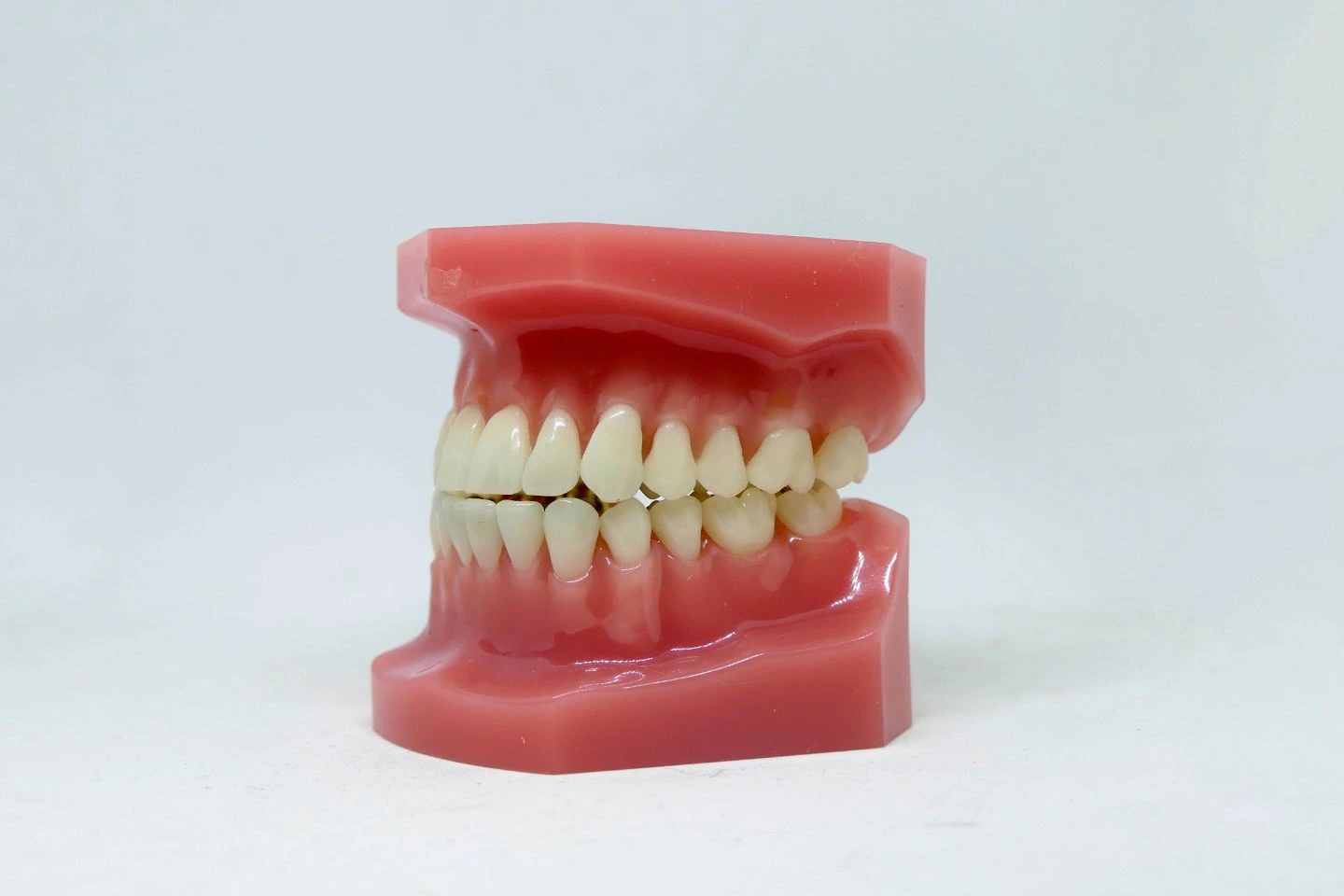
Finding out you have advanced gum disease is unsettling. Honestly, most people jump straight to one question: is this tooth coming out, or can it be saved? That question deserves a real answer, not a rushed one on your way out the door. We walk you through both paths, root planing and tooth extraction, so you know exactly what each one involves before any decision gets made.
This isn't one size fits all. Some teeth respond well to a deep cleaning and go on to function for years. Others have lost so much bone support that trying to save them just creates more problems down the road. The only way to know which category your tooth falls into? Look closely at what's actually happening below the gumline.
Step One: Diagnosing What's Really Going On
Before anyone talks treatment, there's a diagnostic phase that matters more than most people expect. This typically includes:
Measuring pocket depth around each tooth with a periodontal probe. Healthy pockets measure around 1 to 3 millimeters. Once pockets reach 5, 6, or 7 millimeters, that's a sign bacteria have carved out space between the tooth and gum that a toothbrush simply can't reach.
Dental X-rays to check how much bone has been lost around the tooth root. This is often the deciding factor. A tooth with moderate bone loss has a reasonable shot with root planing. A tooth with severe bone loss (especially where the root is mostly exposed) is a much harder case to save.
Checking for mobility. A tooth that wiggles noticeably when touched has often lost enough supporting structure that it's a poor long term candidate. Even if root planing gets tried first.
This exam gives a clear, tooth by tooth picture of what's realistic. It's rarely all or nothing across an entire mouth. You might need root planing on most teeth and extraction on one or two that are simply too far gone.
What Actually Happens During Root Planing
Root planing (paired with scaling) is a deep cleaning that goes below the gumline. It targets the tartar and bacterial buildup a regular cleaning can't touch.
The Numbing Process
The area being treated gets numbed with a local anesthetic. Root planing goes deeper than a standard cleaning, so comfort matters here. Most people don't feel much beyond some pressure.
Scaling: Removing Buildup From the Tooth Surface
Using hand instruments or an ultrasonic scaler, hardened plaque (tartar) gets removed from the tooth surface, above and below the gumline. This step alone can take a surprising amount of buildup off a tooth that's had years to accumulate it.
Planing: Smoothing the Root Surface
This is the part that gives the procedure its name. The root surface gets smoothed out so bacteria have a harder time reattaching. Rough, pitted root surfaces are basically magnets for plaque. Smoothing that surface is what helps the gum tissue reattach and heal against the tooth.
Rinsing and Sometimes Antibiotics
Once the area is cleaned and smoothed, it gets rinsed thoroughly. Sometimes an antibacterial rinse or localized antibiotic goes directly into the pocket to help control bacteria while the gum tissue heals.
Healing and Follow Up
Gums are typically a bit tender or sensitive for a few days afterward. A follow up visit a few weeks later checks whether pocket depths have improved. If they have, that's a good sign. The tooth is responding well and can likely be maintained with more frequent cleanings going forward.
What Actually Happens During Tooth Extraction
When a tooth has lost too much bone support, or root planing hasn't stopped the progression, extraction becomes the more practical option.
Assessing the Tooth's Position
The dentist checks the root shape, position, and how the tooth sits in the jaw. This determines whether it's a straightforward extraction or one that needs a little more time and care.
Numbing the Area
Just like root planing, the area gets numbed with local anesthesia. You'll feel pressure during the process but shouldn't feel sharp pain.
Loosening and Removing the Tooth
The tooth is gently loosened using specialized instruments until it can be lifted out of the socket. For teeth with significant bone loss from gum disease, this step is sometimes easier than expected. The supporting bone is already compromised, after all.
Managing the Socket
Once the tooth is out, the socket is cleaned and a gauze pad is placed to help a blood clot form. That clot protects the bone and nerve endings underneath while healing begins.
Aftercare Instructions
You'll get clear guidance on what to eat, how to avoid disrupting the clot, and how to manage swelling over the next few days. Replacement options, like a bridge or implant, usually come up at this point too. Especially if the extracted tooth was in a visible or functionally important spot.
So Which Option Actually Saves the Smile?
Here's the honest answer: it depends on the tooth, not some blanket preference for one method over the other. Root planing is worth attempting when there's still enough bone and gum tissue for the tooth to stay stable long term. Extraction becomes the more sensible choice when a tooth is too loose, too infected, or has lost too much supporting bone to reasonably expect it to hold up. Sound familiar? A lot of people land somewhere in the middle, needing both treatments for different teeth.
Patients near Schaumburg, IL often walk in assuming extraction is the default for gum disease. Truth is, that's not usually the case. Root Planing in Schaumburg, IL is frequently enough to stop the disease's progression and preserve teeth that still have a reasonable foundation. The exam is what determines the path here, not a general rule.
Ready to Get Started?
If you've noticed bleeding gums, tooth sensitivity, or you've been told you have pocket depths that need attention, it's worth getting a clear, tooth by tooth evaluation before assuming the worst. Reach out to schedule an exam and find out what's actually going on and which of your teeth can realistically be saved.
FAQs
How many appointments does root planing usually take?
It depends on how many areas of the mouth need treatment. Many patients complete root planing over two visits, treating one half of the mouth at a time, though some cases are done in a single visit.
Is root planing painful?
The area is numbed beforehand, so most people feel pressure rather than pain during the procedure. Some soreness or sensitivity afterward is normal for a few days.
Can a tooth need extraction even after root planing?
Yes. Root planing helps many teeth, but if bone loss is too advanced, or the tooth keeps loosening despite treatment, extraction may still become necessary down the line.
How long does it take to heal after a tooth extraction?
Initial healing typically takes about a week to ten days, though the socket keeps healing and filling in with bone over several weeks after that.
Will I need a replacement tooth after extraction?
It depends on the tooth's location and role in your bite. Options like a bridge or implant are usually discussed during the extraction visit or at a follow up appointment.

Contact Us
Our staff is happy to hear from you! Fill out our simple form to schedule your next visit and experience exceptional dental care in Schaumburg.

Email: office@sdsdentist.com
Phone: 847-882-3333

Monday: Closed
Tuesday–Thursday: 9:00 a.m. to 6:00 p.m.
Friday: 8:00 a.m. to 4:00 p.m.
Saturday: 8:00 a.m. to 2:00 p.m.
Sunday: Closed

We offer comprehensive dental services for all ages. Trust us as your go-to family dental office.


