
How to Remove Tartar From Dentures Fast and Safely
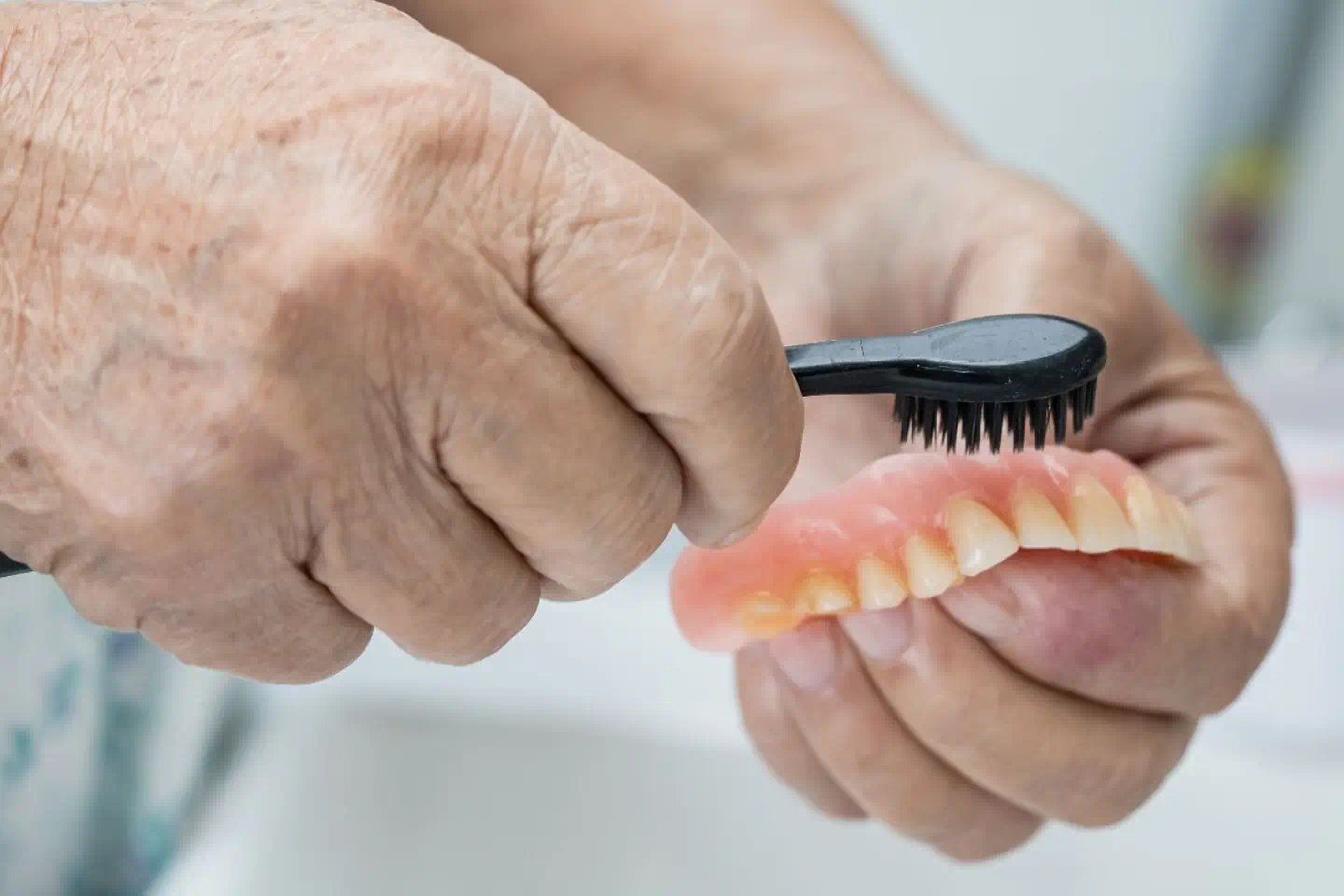
If you wear dentures, you know how amazing it feels to have a full, functional smile. But over time, you might notice a hard, white, or yellowish crust starting to form on the surface of your prosthetic teeth. This stubborn buildup is called tartar, or dental calculus. When it takes hold, it can make your dentures look dirty, feel rough against your tongue, and even cause a bad odor.
Many patients look for ways to remove tartar from dentures instantly. While you cannot snap your fingers to make it vanish, there are highly effective, fast-acting methods you can use at home to break down this crust safely.
It is easy to get frustrated and want to grab a sharp tool to scrape the gunk away, but doing that can permanently ruin your dental appliance. At Schaumburg Dental Studio, we want to make sure you have the right information to keep your prosthetic teeth looking bright and fitting comfortably. Let us look at the safest, fastest ways to dissolve tartar and get your smile back on track.
What Is Denture Tartar and Why Is It Hard to Remove?
Before you try to clean your dentures, it helps to know exactly what you are fighting. Just like natural teeth, your dentures are constantly exposed to saliva, food particles, and bacteria.
When you eat, a sticky layer of bacteria called plaque forms on the acrylic and porcelain surfaces of your appliance. If you do not brush this plaque away every day, it reacts with the minerals in your saliva. Over time, this soft plaque hardens into a mineralized crust called tartar.
Once plaque turns into tartar, it creates a very strong bond with the material of your denture. You cannot simply wash it off with water, and normal brushing will not budge it. Tartar is highly porous, meaning it acts like a sponge for stains from coffee, tea, and food. It also traps foul-smelling bacteria against your gums, which can cause irritation or infections in your mouth. Following a proper denture maintenance routine can help prevent this buildup before it becomes difficult to remove.
Safe and Effective Ways to Clean Tartar From Your Dentures Fast
If you need to clear away buildup quickly, you have to use solutions that break the chemical bond of the tartar without melting or scratching the denture plastic. Here are the best home methods to speed up the cleaning process.
The White Vinegar Soak Method
Plain white vinegar is one of the best and cheapest tools for dissolving tartar fast. Vinegar contains acetic acid, which gently breaks down the hard calcium deposits that make up dental calculus.
To use this method, mix equal parts of warm water and white distilled vinegar in a clean glass or bowl. Make sure the water is not hot, as hot water can warp the shape of the acrylic. Submerge your dentures completely in the mixture.
For a quick clean, let them soak for fifteen to thirty minutes. The acid will start to soften the crusty buildup. After the soak, take a soft-bristled denture brush and scrub the surface thoroughly. The softened tartar should flake off easily. Always rinse the appliance completely under running water before putting it back in your mouth so you do not taste the vinegar.
Commercial Fast-Acting Denture Tablets
If you do not like the smell of vinegar, commercial effervescent denture cleaning tablets are a fantastic alternative. Brands like Polident or Efferdent make formulas specifically designed to clean appliances in three to five minutes.
These tablets work by creating an oxidizing bubble action. When you drop the tablet into warm water, it fizzes and sends cleaning agents into the tiny pores of the denture. This bubbling action helps lift away loose stains and softens hard deposits. While a short soak might not remove thick, years-old tartar instantly, using these tablets daily or twice a day will quickly strip away early stage buildup and keep the material clean.
Ultrasonic Denture Cleaning Baths
If you want a tech-focused way to clean your teeth fast at home, consider buying a small ultrasonic denture cleaner. These are small, plug-in bowls that you fill with water or a cleaning solution.
When you turn the machine on, it uses high-frequency sound waves to create millions of microscopic bubbles in the liquid. These bubbles rapidly implode against the surface of your denture, physically knocking away food particles, plaque, and softened tartar from hard-to-reach crevices. Combining an ultrasonic bath with a vinegar mix or a cleaning tablet can give you professional-level cleaning results in just a few minutes.
Dangerous Methods to Avoid Completely
When people want instant results, they often resort to harsh household items. Doing this can permanently damage your smile and force you to buy an expensive replacement. Avoid these dangerous cleaning habits at all costs.
Never Use Sharp Metal Tools or Scrapers
It can be incredibly tempting to take a safety pin, a metal dental pick, or a knife to scrape off a chunk of tartar. Please do not do this.
Denture acrylic is much softer than natural tooth enamel. Sharp metal tools will leave deep scratches in the plastic. While you might get the tartar off today, those new scratches will act as perfect hiding spots for bacteria and food in the future. The next round of tartar will bond even deeper into those grooves, making it completely impossible to clean at home.
Avoid Bleach and Boiling Water
Some people think that soaking their teeth in pure bleach or boiling water will sanitize them instantly. This will ruin your appliance.
Boiling water will warp the plastic, meaning your dentures will no longer fit your gums correctly, leading to painful sores. Bleach is a harsh chemical that will strip the pink color out of the artificial gums, making them look ghostly white and unnatural. Bleach can also corrode any metal clasps or frameworks on partial dentures.
Stay Away From Gritty Regular Toothpastes
Standard toothpastes, especially those marketed for whitening, contain abrasive particles like silica. While these abrasives are safe for hard tooth enamel, they will sand down the polished finish of your dentures, leaving them dull, rough, and highly prone to picking up new stains. Always use a paste made specifically for prosthetic teeth or a mild dish soap instead.
The Best Option: Professional Denture Cleaning
If your dentures have a heavy layer of dark, stone-hard tartar that will not come off with a vinegar soak, the safest and most instant way to fix the problem is to visit a dental professional.
When you see an experienced dentist in Schaumburg, IL, they can perform a professional strength cleaning in just a few minutes. Dental offices use commercial-grade ultrasonic machines filled with highly concentrated acids that dissolve calculus safely without harming the acrylic.
After the tartar is gone, the dental team will place your denture on a high-speed polishing wheel. This smooths out any microscopic rough spots, restoring the original shiny factory finish. A smooth, polished surface makes it much harder for new plaque and tartar to stick to your teeth, keeping your smile fresh for a long time.
How to Prevent Tartar Build-up on Your Dentures
The easiest way to deal with tartar is to stop it from forming in the first place. By building a simple daily routine, you can keep your smile clean and avoid the need for intense scrubbing sessions.
- Rinse After Every Meal: Take your dentures out after eating and rinse them under warm water to flush away loose food particles before they turn into sticky plaque.
- Brush Daily With the Right Brush: Use a brush designed for dentures, which has stiffer bristles shaped to fit the curves of your appliance. Use a non-abrasive cleaner or mild soap to clean all the surfaces every night.
- Soak Your Teeth Overnight: Never let your dentures dry out overnight, as this can cause the material to lose its shape. Soak them in a container of clean water or a mild overnight denture solution to keep them soft and clean.
- Keep Up With Regular Dental Visits: Even if you do not have natural teeth, you still need to see your dentist. Regular exams allow your dentist to check the health of your gums, screen for oral issues, and clean your dental work professionally. If you have additional questions about cleaning, fit, or maintenance, reviewing these common denture concerns can provide helpful guidance.
Keep Your Smile Fresh with Schaumburg Dental Studio
Taking care of your dentures is a vital part of protecting your health and your confidence. If you are struggling with stubborn stains or hard tartar buildup that you cannot seem to remove at home, we are here to help you get your smile looking brand new again. At Schaumburg Dental Studio, our team can safely clean, polish, and evaluate your dental work to ensure a perfect, comfortable fit. Do not let heavy buildup get in the way of your daily life. Contact our office today to set up your cleaning appointment with a friendly dentist.
Frequently Asked Questions About Denture Care
Can I use hydrogen peroxide to clean tartar off dentures?
Hydrogen peroxide is great for killing bacteria and lifting light stains, but it is not highly effective at dissolving hard calcium tartar. A white vinegar soak is a much better choice for breaking down mineral buildup. If you do use peroxide, make sure to dilute it with water and rinse thoroughly.
How long does it take for vinegar to dissolve denture tartar?
For light or early stage buildup, a fifteen to thirty-minute soak in a half-vinegar, half-water mix will soften the tartar enough to brush it away. For very thick, hard crusts, you may need to leave the dentures in a diluted vinegar soak overnight.
Can I scrape tartar off my dentures myself?
No, you should never attempt to scrape tartar off using metal tools, fingernails, or harsh scrubs. You will scratch the acrylic, which ruins the look of the teeth and creates a breeding ground for future stains and bacteria. Leave heavy scraping to a professional dental office.
Is tartar on dentures harmful to my health?
Yes, it can be. Tartar is highly porous and full of harmful bacteria. Leaving it on your dentures can cause chronic bad breath, irritate your gums, and lead to painful fungal infections like thrush or mouth sores. Keeping your appliance clean protects your entire body.

Contact Us
Our staff is happy to hear from you! Fill out our simple form to schedule your next visit and experience exceptional dental care in Schaumburg.

Email: office@sdsdentist.com
Phone: 847-882-3333

Monday: Closed
Tuesday–Thursday: 9:00 a.m. to 6:00 p.m.
Friday: 8:00 a.m. to 4:00 p.m.
Saturday: 8:00 a.m. to 2:00 p.m.
Sunday: Closed

We offer comprehensive dental services for all ages. Trust us as your go-to family dental office.


