
Why No Dairy After Dental Implant and What to Eat
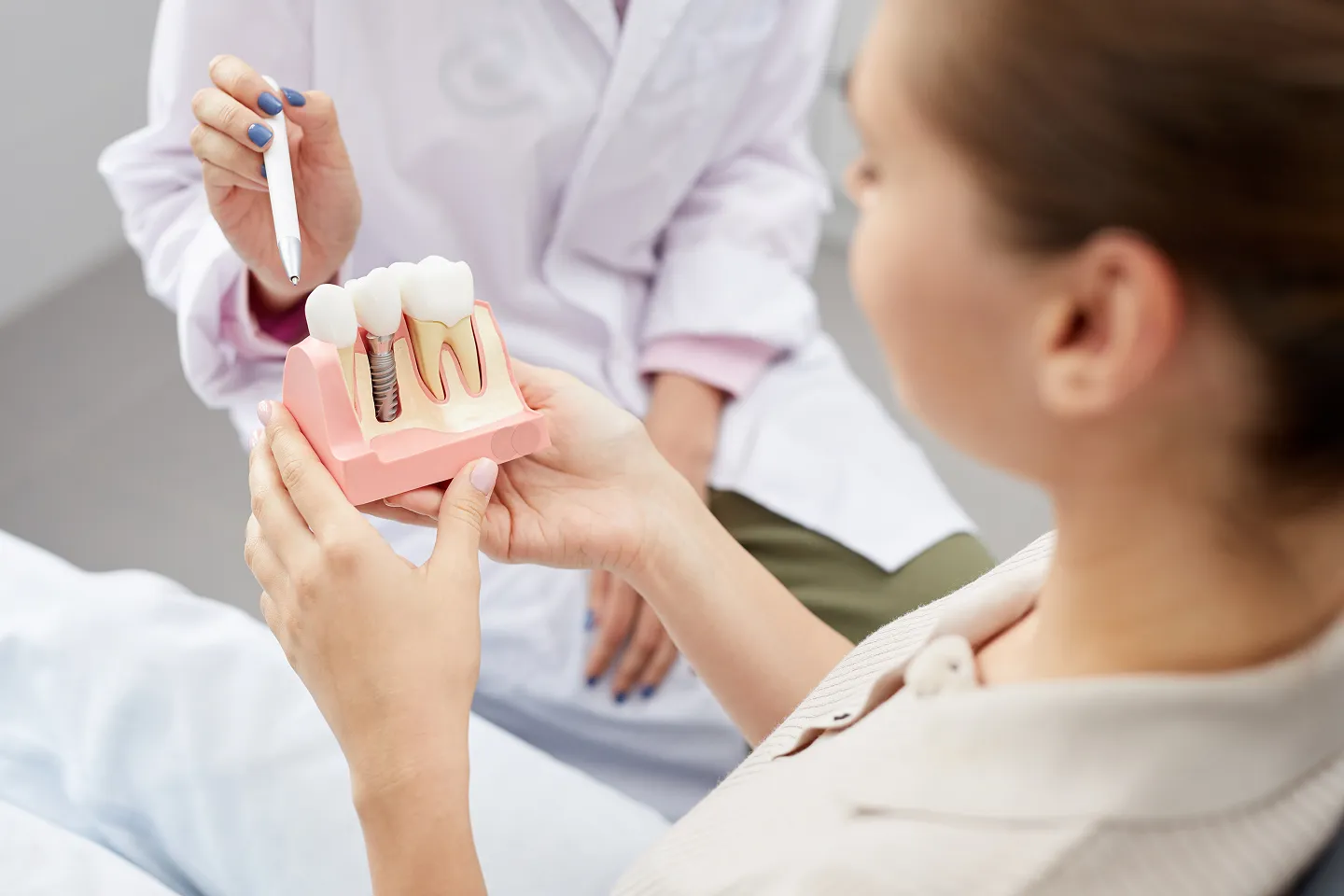
Dental implant surgery is a major step toward restoring your smile, bite, and confidence. While the procedure itself is carefully planned and performed, what you eat afterward plays a critical role in how well your implant heals. One of the most common post-operative instructions patients receive is to avoid dairy products for a short period after dental implant surgery.
Many patients are surprised by this recommendation and wonder why dairy is restricted and what they should eat instead.
At Schaumburg Dental Studio, we guide patients through every stage of implant recovery, including post-surgery nutrition. This detailed guide explains why dairy is discouraged after dental implants, how it can affect healing, and what foods are best to support recovery, with insights from a trusted dentist in Schaumburg, IL.
Why Diet Matters After Dental Implant Surgery
After a dental implant is placed, your body begins a healing process called osseointegration, where the jawbone gradually fuses with the implant. This process is essential for implant stability and long-term success.
During the early healing phase:
- Gums are sensitive and prone to irritation
- Blood clots must remain undisturbed
- Bacteria levels must be carefully controlled
- Inflammation should be minimized
Certain foods, especially dairy, can interfere with these processes if consumed too soon.
Why No Dairy After Dental Implant Surgery?
1. Dairy Can Increase Bacterial Growth
Dairy products such as milk, cheese, yogurt, and ice cream contain natural sugars (lactose). These sugars can encourage bacterial growth in the mouth, increasing the risk of:
- Infection at the implant site
- Delayed healing
- Gum inflammation
After implant surgery, keeping bacteria levels low is crucial for proper healing.
2. Dairy May Interfere With Antibiotics
Many patients are prescribed antibiotics following dental implant surgery to prevent infection. Dairy products can:
- Reduce the absorption of certain antibiotics
- Make medications less effective
Avoiding dairy ensures that prescribed medications work as intended during the critical healing period.
3. Dairy Can Trigger Inflammation or Nausea
Some patients experience:
- Mild nausea after surgery
- Increased mucus production from dairy
- Gastrointestinal discomfort when taking medications with dairy
These reactions can make recovery less comfortable and may discourage proper nutrition.
4. Dairy-Based Foods Can Stick to Surgical Sites
Soft dairy foods like yogurt, cottage cheese, or melted cheese may seem harmless, but they can:
- Adhere to stitches or implant sites
- Be difficult to rinse away
- Create an environment where bacteria can thrive
This is especially problematic during the first 48–72 hours after surgery.
How Long Should You Avoid Dairy After Dental Implants?
In most cases, dentists recommend avoiding dairy for:
- 24 to 72 hours after implant surgery
- Sometimes longer if multiple implants or bone grafting were performed
Your dentist will provide personalized instructions based on your treatment and healing progress.
What Happens If You Eat Dairy Too Soon?
Accidentally consuming dairy once is unlikely to cause serious problems, but frequent intake may:
- Increase swelling or irritation
- Raise infection risk
- Interfere with medications
- Slow the healing process
If you’ve had dairy and feel discomfort or swelling, contact your dentist for guidance.
What to Eat Instead After Dental Implant Surgery
Fortunately, there are plenty of non-dairy, implant-safe foods that provide the nutrients your body needs to heal.
Best Foods to Eat After Dental Implant Surgery (Non-Dairy)
1. Smooth, Dairy-Free Soups
Warm (not hot) soups are soothing and easy to eat.
Good options include:
- Blended vegetable soup
- Chicken broth
- Bone broth
- Lentil soup (fully blended)
Avoid soups with chunks, spices, or acidic ingredients.
2. Soft Fruits and Fruit-Based Foods
Fruits provide vitamins that support healing, especially vitamin C.
Recommended options:
- Applesauce
- Mashed bananas
- Avocado
- Blended fruit smoothies (with water or plant-based milk)
Avoid citrus fruits initially, as acidity may irritate gums.
3. Protein-Rich, Non-Dairy Foods
Protein is essential for tissue repair.
Good sources include:
- Scrambled eggs
- Soft tofu
- Mashed beans or lentils
- Finely shredded chicken or fish (after the first few days)
Protein supports faster and stronger healing.
4. Soft Grains and Starches
These foods provide energy without irritating the implant site:
- Oatmeal (made with water)
- Cream of wheat (non-dairy)
- Soft rice
- Mashed potatoes (without butter or milk)
Be sure foods are lukewarm before eating.
5. Hydration-Friendly Foods and Drinks
Staying hydrated is essential for healing.
Safe options include:
- Water
- Herbal teas (cooled)
- Electrolyte drinks (low sugar)
- Coconut water
Avoid alcohol, fizzy drinks, and very hot beverages.
Foods to Avoid (Beyond Dairy)
In addition to dairy, avoid:
- Hard foods (nuts, chips, crusty bread)
- Sticky foods (gum, caramel)
- Crunchy foods (popcorn, raw vegetables)
- Spicy foods
- Acidic foods
- Using straws (can dislodge blood clots)
These foods can disrupt healing or damage the implant site.
When Can You Return to a Normal Diet?
Most patients follow this general timeline:
- Days 1–3: Liquids and very soft foods (no dairy)
- Days 4–7: Soft foods with minimal chewing
- Week 2 onward: Gradual reintroduction of normal foods
- After full healing: Normal diet resumes
Always follow your dentist’s personalized instructions.
Why Nutrition Impacts Long-Term Implant Success
Dental implants are designed to last many years, often decades. Proper nutrition during healing:
- Supports bone integration
- Reduces complications
- Improves gum health
- Enhances overall recovery
Patients who follow post-operative dietary guidelines often experience smoother healing and better long-term outcomes.
Oral Hygiene Tips While Eating After Implant Surgery
- Rinse gently with salt water after meals (if advised)
- Avoid brushing directly over the implant site for the first 24 hours
- Keep food debris away from the surgical area
- Resume careful brushing as instructed
Your dentist in Schaumburg, IL will guide you on when to return to full oral hygiene routines.
When to Call Your Dentist
Contact your dentist if you notice:
- Increased pain or swelling
- Signs of infection
- Difficulty eating beyond expected soreness
- Persistent bleeding
Early intervention prevents complications and protects your implant investment.
Why Choose Schaumburg Dental Studio?
Patients seeking a trusted dentist in Schaumburg, IL choose Schaumburg Dental Studio because we provide:
- Advanced dental implant care
- Clear post-surgery instructions
- Personalized recovery guidance
- Patient-centered treatment planning
- Long-term support for implant success
We focus not only on placing implants but on ensuring they heal properly and last.
Why No Dairy After Dental Implant and What to Eat: Final Takeaway
Avoiding dairy after dental implant surgery is a short-term but important step that helps:
- Reduce bacteria and inflammation
- Improve medication effectiveness
- Support faster healing
By choosing soft, non-dairy, nutrient-rich foods and following your dentist’s guidance, you protect your implant and promote successful recovery.
If you’re planning dental implant treatment or have questions about post-surgery care, contact Schaumburg Dental Studio. Our experienced team is here to guide you every step of the way toward a healthy, confident smile.

Contact Us
Our staff is happy to hear from you! Fill out our simple form to schedule your next visit and experience exceptional dental care in Schaumburg.

Email: office@sdsdentist.com
Phone: 847-882-3333

Monday: Closed
Tuesday–Thursday: 9:00 a.m. to 6:00 p.m.
Friday: 8:00 a.m. to 4:00 p.m.
Saturday: 8:00 a.m. to 2:00 p.m.
Sunday: Closed

We offer comprehensive dental services for all ages. Trust us as your go-to family dental office.


