
Why Is My Dental Implant Loose? Causes and Next Steps
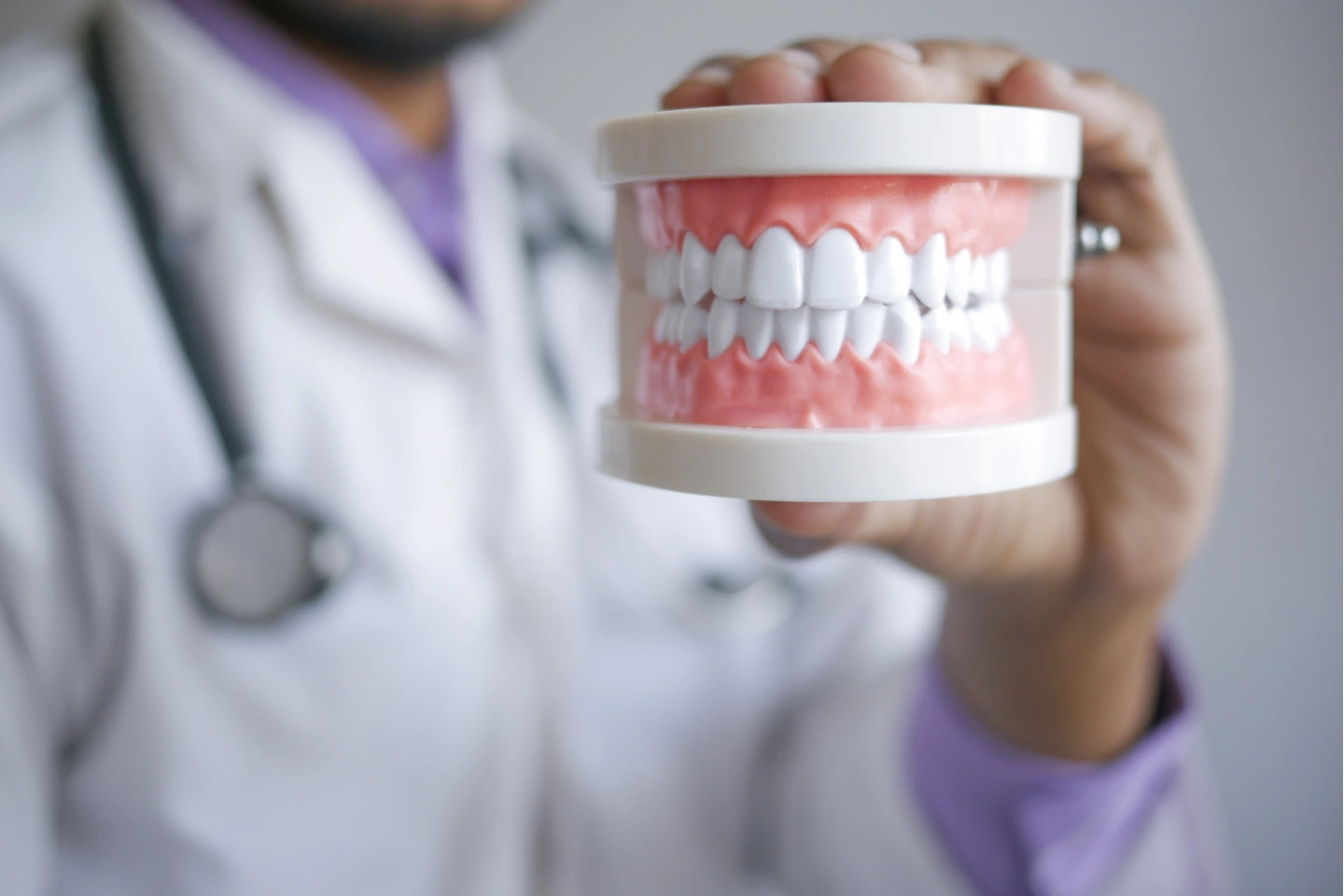
Dental implants are designed to stay securely anchored in the jawbone. Once the implant has successfully integrated with the surrounding bone and the final restoration has been placed, it should feel stable during everyday activities.
So, what should you do if your dental implant suddenly feels loose?
First, do not panic. A loose dental implant restoration does not always mean the implant itself has failed. Sometimes, the crown or a connecting screw becomes loose while the implant fixture remains stable.
However, actual movement of the implant post can indicate a more serious problem involving osseointegration or supporting bone.
Understanding the difference is important because the treatment for a loose crown is very different from the treatment for a mobile implant.
At Schaumburg Dental Studio, patients considering dental implant treatment or experiencing implant-related concerns can benefit from understanding the causes of implant instability and when professional evaluation is necessary.
Should a Dental Implant Ever Feel Loose?
A successfully integrated dental implant should remain stable.
Unlike natural teeth, which have a periodontal ligament that allows slight physiological movement, dental implants are directly integrated with the jawbone.
You should not feel the implant post moving when you touch it or chew.
However, the visible crown or connecting components may occasionally develop mechanical problems.
This is why it is important to determine exactly which part of the implant restoration is moving.
Understanding the Parts of a Dental Implant
A dental implant restoration generally consists of three main components.
1. Implant Fixture
The implant fixture is the post placed inside the jawbone. It acts as an artificial tooth root.
It is usually made from titanium or another biocompatible material.
2. Abutment
The abutment connects the implant fixture to the replacement tooth.
It provides the support needed to attach the final restoration.
3. Dental Crown
The crown is the visible portion that resembles a natural tooth.
It restores the appearance and chewing function of the missing tooth.
When a patient says their dental implant is loose, the movement may involve the crown, abutment, connecting screw, or the implant fixture itself.
7 Possible Reasons Your Dental Implant Feels Loose
1. The Crown Has Become Loose
A loose crown is one possible explanation for movement around a dental implant.
The crown may loosen because of mechanical stress, wear, or problems involving the connecting components.
You may notice:
- A clicking sensation while chewing.
- Movement of the visible tooth.
- Changes in your bite.
- Discomfort when eating.
The implant fixture may still be firmly attached to the jawbone.
Your dentist can examine the restoration and determine whether it can be secured or needs replacement.
2. The Abutment Screw Has Loosened
The abutment screw connects the restoration components.
Repeated chewing forces, excessive pressure, or mechanical issues can sometimes cause the screw to loosen.
This may create movement in the crown or abutment.
Your dentist may need to access the connection, inspect the components, and secure or replace them as appropriate.
Never try to tighten the screw yourself.
3. The Implant Has Not Fully Integrated With the Jawbone
Osseointegration is the process through which the surrounding bone connects with the implant surface.
If this process does not occur successfully, the implant may fail to achieve adequate stability.
Factors that may contribute include:
- Excessive movement during healing.
- Infection.
- Poor bone quality.
- Certain medical conditions.
- Smoking.
- Excessive loading before adequate healing.
Early implant mobility requires prompt assessment.
4. Peri-Implantitis Has Caused Bone Loss
Peri-implantitis is an inflammatory condition that affects the tissues surrounding a dental implant and can cause progressive bone loss.
As the supporting bone deteriorates, the implant may gradually lose stability.
Warning signs include:
- Red or swollen gums.
- Bleeding around the implant.
- Pus or discharge.
- Persistent bad breath.
- Gum recession.
- Increasing discomfort.
Professional treatment is important to control inflammation and assess the remaining bone support.
5. Excessive Biting Pressure
Dental implants are exposed to considerable forces during chewing.
If your bite is uneven, the implant may experience excessive pressure.
This can contribute to mechanical problems involving the crown or connecting screws and may place stress on the supporting structures.
A bite assessment can help identify whether the restoration needs adjustment.
6. Teeth Grinding or Clenching
Bruxism can expose dental implants and their restorations to repeated excessive forces.
People who grind their teeth may experience:
- Worn or damaged crowns.
- Loose connecting screws.
- Discomfort while chewing.
- Fractures in restorative materials.
A custom nightguard may be recommended to help manage excessive forces during sleep.
7. Infection or Inflammation Around the Implant
Infection around an implant may affect the soft tissues and supporting bone.
Although inflammation does not always cause immediate implant mobility, untreated complications can eventually compromise stability.
If you notice swelling, tenderness, bleeding, or discharge, arrange a dental examination.
What Should You Do If Your Dental Implant Feels Loose?
A loose implant restoration should be evaluated rather than ignored.
Here are some practical steps to follow.
Stop Chewing on the Affected Side
Avoid putting unnecessary pressure on the implant until your dentist has examined it.
Choose softer foods temporarily.
Do Not Wiggle or Pull the Implant
Repeatedly moving the implant can irritate the surrounding tissues and potentially worsen the problem.
Avoid Trying to Repair It Yourself
Do not use household adhesives or attempt to tighten the restoration.
These actions may damage the components or surrounding tissues.
Maintain Gentle Oral Hygiene
Continue cleaning the area carefully using a soft-bristled toothbrush.
Avoid aggressive brushing around inflamed or tender gums.
Contact Your Dentist Promptly
Arrange an evaluation to identify whether the problem involves the crown, abutment, or implant fixture.
If you have significant swelling, fever, or spreading infection, seek urgent care.
How Will a Dentist Fix a Loose Dental Implant?
Treatment depends on the component involved and the underlying cause.
If the Crown Is Loose
The dentist may remove the crown, inspect the components, and secure or replace the restoration.
If the Abutment Screw Is Loose
The connection may be accessed and the screw may be tightened or replaced according to the manufacturer's specifications.
If There Is Peri-Implant Inflammation
Treatment may involve professional cleaning, plaque control, and additional procedures depending on the extent of the disease.
If the Implant Fixture Is Mobile
Movement of the implant fixture itself is a more serious concern.
If the implant has failed to integrate or has lost significant bone support, removal may be necessary.
After the area heals, replacement treatment may sometimes be considered.
Can a Loose Dental Implant Be Saved?
Yes, depending on what is loose.
If the problem involves only the crown or abutment screw, the implant may remain completely functional after repair.
If the implant fixture itself is mobile, the prognosis is more concerning.
Your dentist will assess the surrounding bone, soft tissues, implant stability, and overall oral health before recommending treatment.
How Can You Prevent Dental Implant Loosening?
Although not every mechanical complication can be prevented, certain habits can help protect your implant.
- Brush twice daily.
- Clean around the implant every day.
- Attend routine implant maintenance appointments.
- Avoid chewing extremely hard objects.
- Address teeth grinding.
- Avoid smoking.
- Follow your dentist's instructions after treatment.
- Report changes in the implant or bite promptly.
Frequently Asked Questions
Is it normal for a dental implant to move slightly?
No. A properly integrated implant fixture should not move. If you notice movement, arrange a dental examination.
Can a loose dental implant tighten on its own?
No. A loose crown, screw, or implant fixture will not reliably correct itself. The underlying cause needs to be identified and treated.
Does a loose implant always mean implant failure?
No. Sometimes only the crown or abutment screw has loosened. The implant fixture may still be stable.
Can a dentist fix a loose dental implant crown?
Yes. Depending on the condition of the components, the dentist may be able to secure the crown, replace a screw, or provide a new restoration.
Can bone loss make a dental implant loose?
Yes. Progressive bone loss, particularly from peri-implantitis, can reduce the support surrounding an implant and eventually cause mobility.
Should I stop eating if my dental implant feels loose?
You do not necessarily need to stop eating, but avoid chewing on the affected side and choose softer foods until the implant is examined.
Conclusion
A loose dental implant should never be ignored, but it does not automatically mean the implant has failed.
In some cases, the issue is limited to a crown or connecting screw and can be repaired without removing the implant. In other situations, inflammation, infection, or bone loss may affect the implant's stability.
The most important step is arranging a professional examination to identify the source of the movement.
Is Your Dental Implant Loose? Visit Schaumburg Dental Studio
If your implant crown moves, clicks, or feels unstable when chewing, contact Schaumburg Dental Studio for an evaluation. Prompt assessment can help determine whether the restoration can be repaired or whether additional treatment is necessary to protect your oral health.

Contact Us
Our staff is happy to hear from you! Fill out our simple form to schedule your next visit and experience exceptional dental care in Schaumburg.

Email: office@sdsdentist.com
Phone: 847-882-3333

Monday: Closed
Tuesday–Thursday: 9:00 a.m. to 6:00 p.m.
Friday: 8:00 a.m. to 4:00 p.m.
Saturday: 8:00 a.m. to 2:00 p.m.
Sunday: Closed

We offer comprehensive dental services for all ages. Trust us as your go-to family dental office.


