
Invisalign vs Traditional Braces: Which Is Right for Adults?
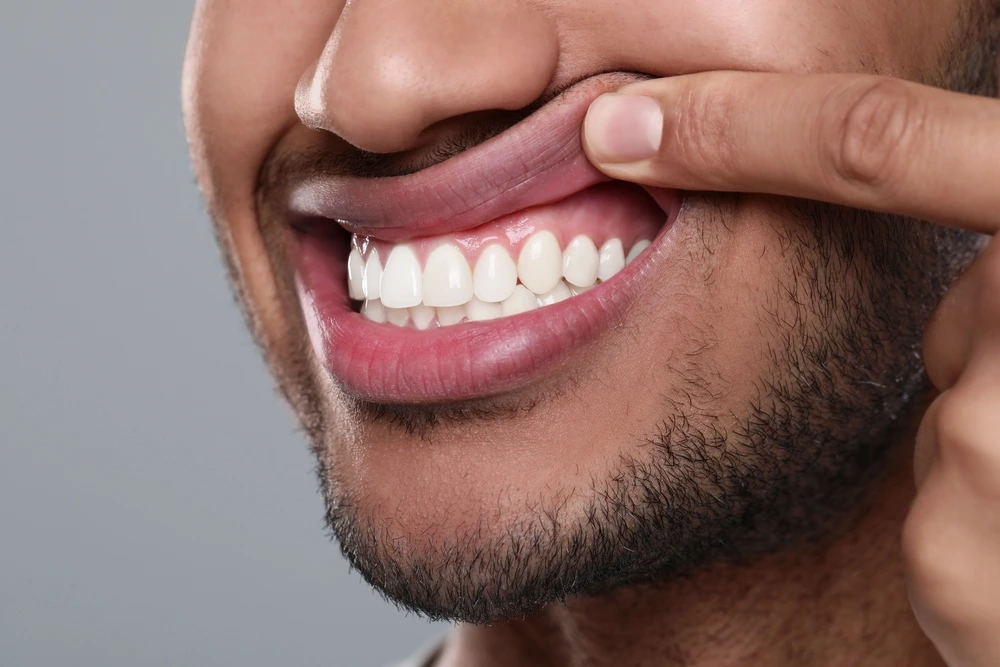
There was a time when getting orthodontic treatment was seen as a rite of passage reserved strictly for teenagers. Decades ago, walking into a high school classroom meant seeing a sea of metal smiles. Today, things look entirely different. More and more adults are realizing that it is never too late to invest in a straight, healthy smile. Whether you missed out on orthodontic care as a child or your teeth have naturally shifted back over the years, seeking treatment as an adult is an excellent step for both your confidence and your health.
However, choosing to align your smile as an adult comes with unique questions and concerns. You have professional meetings, social gatherings, and a busy lifestyle to navigate. The idea of wearing prominent metal brackets and wires might feel unappealing. This is exactly why clear aligners have skyrocketed in popularity.
If you are considering a smile transformation, you are likely caught between two major options: Invisalign clear aligners and traditional braces. Both are highly effective, but they offer vastly different experiences. At Schaumburg Dental Studio, we believe your care should fit your life perfectly. Let us take a deep, human look at how these two orthodontic powerhouses compare so you can choose the right path with a trusted dentist in Schaumburg, IL.
The Modern Face-Off: What Is the Difference?
To figure out which treatment suits you best, it helps to look at how each system physically applies pressure to move your teeth into their proper positions.
The Invisible Innovator: Invisalign
Invisalign does away with brackets and wires entirely. Instead, this system utilizes a sequence of custom-made, clear plastic trays that fit snugly over your teeth. These aligners are engineered from a smooth, medical-grade polyurethane resin. Every week or two, you switch to the next set of trays in your series. Each tray is slightly different, gently nudging your teeth a fraction of a millimeter closer to their final destination. The biggest draw for adults is that they are virtually invisible to the naked eye.
The Time-Tested Champion: Traditional Braces
Traditional orthodontic treatment relies on a system of high-grade stainless steel or ceramic brackets that are temporarily bonded to the front of each tooth. A flexible metal archwire connects these brackets, and small elastic bands hold everything securely in place. During regular checkups, your provider manually tightens or replaces the wire. This constant, light tension guides your teeth into alignment. While they are highly visible, modern braces are much smaller, sleeker, and more comfortable than the bulky versions used decades ago.
Aesthetic Appeal and Social Confidence
For most adults, the biggest hurdle to getting orthodontic care is the cosmetic impact of the treatment itself. You want to fix your smile, but you do not necessarily want the world to watch the process happening.
Seamlessly Disappearing Into Your Workday
Invisalign allows you to maintain a polished, professional appearance. Whether you are leading a corporate presentation, speaking with clients, or posing for family photos, most people will never notice you are wearing clear aligners. This low-profile nature provides an incredible boost in social confidence during treatment, removing the self-consciousness often associated with adult orthodontics.
Embracing the Visual Presence of Braces
Traditional braces are undeniably visible. Even if you choose ceramic braces, which feature tooth-colored or clear brackets, the metal archwire is still noticeable from a short distance. While many adults proudly embrace their braces as a proactive investment in their self-care, it is a lifestyle adjustment that requires a bit of confidence to rock in a professional corporate environment.
Day-to-Day Freedom: Food, Freedom, and Function
How your treatment interacts with your morning coffee, your favorite meals, and your evening routine will define your daily experience for the next twelve to twenty-four months.
The Removable Advantage of Clear Aligner Therapy
One of the most liberating features of Invisalign is that the trays are completely removable. When it is time to eat, you simply take the aligners out. This means you do not have to modify your diet at all. You can still enjoy crunchy apples, chewy bagels, and tough steaks without fear of damaging your appliance. You also remove them to drink dark coffee or red wine, preventing any unwanted staining of the plastic.
Navigating the Dietary Boundaries of Braces
Traditional braces are permanently bonded to your teeth until your treatment is finished. Because hard, sticky, or exceptionally crunchy foods can easily break a bracket or bend an archwire, you have to be mindful of your diet. Sticky caramels, popcorn, chewing gum, and whole corn on the cob are temporarily off the menu. Breaking an appliance can stall your treatment progress and require an unscheduled repair visit to the clinic.
Maintaining Optimal Oral Hygiene
A straight smile is a healthier smile, but keeping your mouth clean during the alignment process is just as important as the final result.
Effortless Brushing and Flossing
Because Invisalign trays come out when you clean your teeth, your daily oral hygiene routine does not change. You can brush your teeth normally and use standard dental floss to reach deep between your teeth. As long as you brush your teeth after eating before putting your aligners back in, your risk of developing cavities or bleeding gums during treatment remains exceptionally low.
The Obstacle Course of Cleaning Braces
Braces act like a magnet for food particles and plaque. Brushing requires careful angling to clean around every single bracket, and standard flossing becomes a tedious task that requires specialized floss threaders or tiny interdental brushes to weave beneath the archwire. Neglecting your routine can lead to white spots on your enamel, early decay, or gingivitis.
The Discipline Dilemma: Accountability and Compliance
While freedom is a wonderful thing, it also introduces a level of personal responsibility that can make or break your treatment outcome.
The 22-Hour Commitment
Invisalign only works if you actually wear the trays. For the treatment to stay on track, you must commit to wearing your aligners for twenty-two hours every single day. They should only be removed for eating, drinking anything other than water, and cleaning your teeth. If you tend to lose track of items, forget to put things back in, or travel frequently, traditional braces might actually be an easier choice because they require zero willpower.
Fixed Reliability
With traditional braces, there is nothing to remember, lose, or misplace. The system is working around the clock, twenty-four hours a day, without you having to think about it. For busy adults who prefer a hands-off approach to their alignment, the fixed nature of braces offers total peace of mind.
Complexity and Clinical Capability
Ultimately, the choice is not just about what you prefer; it is also about what your unique dental anatomy actually needs to achieve a stable, functional bite.
When Invisalign Shines
Clear aligners are phenomenal for treating mild to moderate crowding, closing gaps between teeth, and fixing minor bite issues like a mild overbite or crossbite. Advanced 3D imaging allows your dentist to map out your entire transformation on a screen before you even start, giving you a clear look at your destination.
When Traditional Braces Excel
For highly complex orthodontic situations, traditional braces remain the undisputed champion. If your teeth are severely rotated, or if you require significant vertical movement to correct a severe underbite, open bite, or deep overbite, braces provide a level of structural control that plastic trays cannot match. Braces allow your provider to make microscopic, three-dimensional adjustments to the root position of individual teeth with unmatched precision.
Ready to Find Your Perfect Fit? Contact Schaumburg Dental Studio Today
Deciding to straighten your smile is an investment in your health, your presentation, and your self-esteem. There is no single right answer when choosing between Invisalign and traditional braces; the best choice is the one that aligns seamlessly with your medical needs and daily lifestyle.
At Schaumburg Dental Studio, we combine cutting-edge dental technology with a warm, compassionate approach to help you feel completely at ease. As a premier dentist in Schaumburg, IL, we take the time to sit down with you, evaluate your bite, listen to your goals, and build a personalized treatment plan that brings out the very best in your smile. Contact us today to schedule your consultation and take the first step toward a beautiful, confident future.
Frequently Asked Questions About Adult Orthodontics
Q. Does adult orthodontic treatment hurt?
Whether you choose braces or clear aligners, you will experience some mild soreness and pressure when you first start or when your appliances are adjusted. This discomfort is completely normal and simply means your teeth are safely moving. Invisalign tends to cause less irritation to the soft tissues inside your mouth because it lacks sharp metal edges, while braces can occasionally cause minor scrapes on your cheeks until your mouth adjusts.
Q. How long does treatment typically take for adults?
On average, adult orthodontic treatment lasts anywhere from twelve to twenty-four months. Minor cosmetic crowding can sometimes be resolved with clear aligners in as little as six to nine months, while complex bite corrections with traditional braces may take a bit longer. During your initial consultation, your team will give you an accurate, personalized timeframe based on your specific goals.
Q. Will I need to wear a retainer after my treatment is finished?
Yes, absolutely. Once your teeth are perfectly aligned, the surrounding bone tissue needs time to solidify around the new positions. Without a retainer, your teeth will naturally try to drift back to their old, crooked positions over time. Your provider will design a discreet, custom retainer for you to wear at night to protect your investment for a lifetime.
Q. Does dental insurance cover orthodontics for adults?
While many dental insurance plans include orthodontic coverage for children and teenagers under the age of nineteen, adult coverage varies significantly. Some premium plans offer a lifetime orthodontic benefit that can cover a portion of the cost. Our friendly office team can always help you verify your benefits, navigate your coverage, and explore flexible monthly financing options to fit your budget.

Contact Us
Our staff is happy to hear from you! Fill out our simple form to schedule your next visit and experience exceptional dental care in Schaumburg.

Email: office@sdsdentist.com
Phone: 847-882-3333

Monday: Closed
Tuesday–Thursday: 9:00 a.m. to 6:00 p.m.
Friday: 8:00 a.m. to 4:00 p.m.
Saturday: 8:00 a.m. to 2:00 p.m.
Sunday: Closed

We offer comprehensive dental services for all ages. Trust us as your go-to family dental office.


