
How to Naturally Whiten Teeth: The Ultimate Science-Backed Guide
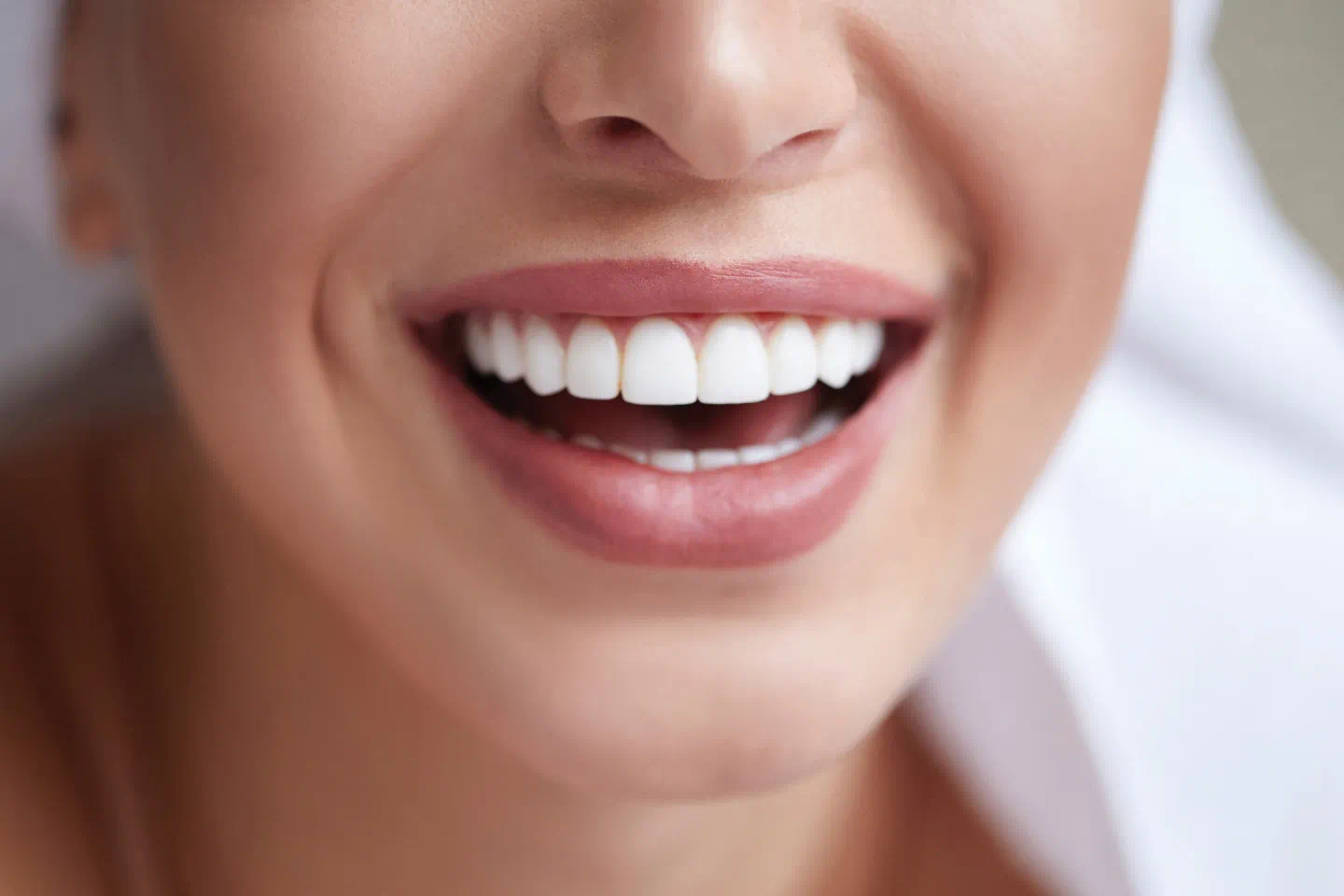
We all want a bright, radiant smile that lights up the room. But if you take a quick scroll through social media, you will find an overwhelming amount of DIY hacks promising to give you a blindingly white smile overnight using random pantry ingredients.
As a clinical dental hygienist and patient care coordinator with over a decade of experience treating thousands of smiles, I have seen firsthand the consequences of these trends. I routinely see patients walk into the clinic with severe tooth sensitivity and permanently worn enamel, all because they fell for internet myths about how to naturally whiten teeth.
The exciting truth is that you can absolutely brighten your smile at home without harsh chemicals. However, you must separate the methods that safely lift surface stains from the hazardous trends that erode your enamel. Let's look closely at how to whiten teeth naturally while completely protecting your oral health.
The Natural Whitening Cheat Sheet
If you are looking for a safe, immediate blueprint on how to get white teeth using natural home methods, here are quick points.
- What Works Safely: Brushing with a baking soda paste occasionally, oil pulling with high-quality coconut oil, and practicing strict dietary stain prevention.
- What to Avoid: Direct application of acidic liquids like pure lemon juice, apple cider vinegar, or aggressive charcoal scrubs, which dissolve your protective enamel.
- The Biological Limit: Natural remedies can only remove external, surface-level stains (extrinsic staining) from coffee, tea, and food. They cannot change the genetic internal color of your dentin (intrinsic staining).
- The Best Defense: Drinking water alongside staining beverages and maintaining consistent, daily brushing and flossing routines remains the most effective natural method of all.
Understanding Tooth Discoloration
To learn how to make the teeth white, you must understand why they change color in the first place. Tooth discoloration is the gradual accumulation of pigments on the outer enamel layer or the thinning of that enamel over time.
Your tooth structure is like a porcelain plate covered by a clear glass shield. The outer layer is enamel, which is naturally white and translucent. Beneath the enamel lies dentin, a dense, naturally yellow tissue layer.
When you consume deeply pigmented foods or age normally, two distinct things happen:
- Extrinsic Staining: Pigments from coffee, red wine, and berries lodge themselves directly into the microscopic pores of your outer enamel.
- Intrinsic Yellowing: Acidic foods or harsh abrasive scrubs wear down your translucent enamel layer. As the enamel becomes thinner, the dark, yellow dentin beneath shows through more prominently.
For patients dealing with stubborn discoloration that natural methods cannot fully remove, professional cosmetic teeth brightening treatments may offer more noticeable and longer-lasting improvements.
The Science Behind Popular Natural Remedies
Let's dissect the most common kitchen remedies to find out what actually works under a microscope.
Does Baking Soda Whiten Teeth Safely?
The short answer is yes. But does baking soda whiten teeth through a magical chemical reaction? Not exactly.
Baking soda, known scientifically as sodium bicarbonate, is a mild crystalline compound. When mixed with water, it creates a slightly gritty paste that acts as a gentle mechanical abrasive. This texture scrubs away stubborn surface plaques and stubborn extrinsic stains without scratching your teeth.
According to a clinical study published by the Journal of the American Dental Association (JADA), toothpastes containing baking soda demonstrate significantly higher stain removal effectiveness than non-baking soda alternatives. Furthermore, baking soda is naturally alkaline, which raises the pH level inside your mouth. This chemical shift neutralizes harmful cavity-causing acids and inhibits stain-causing bacteria from multiplying.
If you are comparing different whitening approaches, understanding the differences between professional whitening options and DIY solutions can help you make a safer choice for your enamel.
Does Coconut Oil Whiten Teeth Through Oil Pulling?
Oil pulling is an ancient Ayurvedic practice that involves swishing a tablespoon of oil around your mouth for roughly 15 to 20 minutes. But does coconut oil whiten teeth directly?
Coconut oil does not physically bleach your enamel, but it acts as a powerful indirect whitening agent. It contains high amounts of lauric acid, a fatty acid renowned for its antimicrobial and anti-inflammatory properties.
When you swish the oil, it binds to the fatty membranes of oral bacteria like Streptococcus mutans, pulling them away from your gums and teeth. By drastically reducing plaque buildup, coconut oil prevents surface stains from sticking to your teeth, making your smile look cleaner and noticeably brighter over time.
Dietary Habits to Naturally Brighten Your Smile
The most overlooked secret to mastering how to whiten teeth naturally is controlling what passes your lips. You can think of stain prevention as a proactive defense system for your enamel.
The "White Shirt Rule"
A great rule of thumb to follow is the white shirt rule: if a food or beverage would permanently stain a crisp white cotton t-shirt, it will stain your teeth. This includes black coffee, dark teas, red wine, soy sauce, and dark balsamic vinegar.
You do not have to completely eliminate these foods from your life. Instead, simply drink through a reusable straw to bypass your front teeth entirely, or rinse your mouth vigorously with plain water immediately after consuming them to wash away dark pigments before they bind to your enamel.
Patients often ask how long whitening results actually last after improving their oral habits. This detailed guide on maintaining a brighter smile for longer explains the factors that influence whitening longevity.
Crunchy, Fiber-Rich Foods
Nature has provided built-in toothbrushes in the form of raw, crunchy fruits and vegetables. Eating apples, celery, and raw carrots stimulates your salivary glands to produce fresh saliva, which is your mouth's natural defense against acid. Additionally, the fiber-rich, crunchy texture of these foods gently scrubs your teeth as you chew, breaking up surface plaque before it hardens into dark tartar.
Natural Whitening Trends That Destruct Enamel
As a dental professional, I must strongly warn you against certain viral DIY trends. Many well-meaning individuals accidentally ruin their smiles by using highly destructive methods.
Pure Acids: Lemon Juice and Apple Cider Vinegar
The internet frequently advises rubbing lemon peels, strawberries, or apple cider vinegar directly onto your teeth to melt away yellow stains. While the acid will initially strip away surface stains, it does so by literally dissolving your calcium-rich enamel. Once this protective enamel layer erodes away, the yellow dentin underneath becomes exposed, leaving your teeth looking permanently darker and causing intense nerve pain.
Activated Charcoal Scrubs
Activated charcoal powder has surged in popularity as a natural charcoal whitener. However, raw charcoal powder is far too abrasive for human enamel. Using it is like scrubbing your fine porcelain bathroom sink with heavy-grit sandpaper; it creates microscopic scratches that permanently dull your shine and actually make it easier for future coffee stains to lodge deep within your teeth.
Before trying abrasive whitening fads, it is important to understand the risks associated with charcoal-based whitening trends and how they may damage enamel over time.
Conclusion: Achieving a Healthy, Natural Radiance
Learning how to naturally whiten teeth safely is all about working with your body's natural biology, not against it. By utilizing gentle, clinically supported remedies like baking soda and coconut oil pulling, while prioritizing stain-preventing dietary choices, you can easily reveal a brighter, cleaner smile without jeopardizing your health.
Remember, a genuinely healthy smile will always be more beautiful than an artificially bleached one. Treat your enamel with care, maintain your regular professional dental cleanings, and let your natural health shine through!
For individuals looking for more dramatic cosmetic improvements, understanding the difference between complete smile enhancement procedures and whitening treatments can help determine the right option for your goals.
Frequently Asked Questions on Natural Teeth Whitening
Q: How long does it take to naturally whiten teeth?
A: Safe natural whitening methods require patience because they do not rely on aggressive chemical bleaching agents. You can typically expect to see a subtle, cleaner brightness within 2 to 4 weeks of consistent baking soda use or daily coconut oil pulling.
Q: Can yellow teeth become white again naturally?
A: Yes, if the yellowing is caused by a thick buildup of surface plaque and superficial food stains, natural remedies can successfully restore your teeth to their original shade. However, if your teeth are yellow because your enamel has thinned due to age or acid erosion, natural remedies cannot restore the lost enamel or lighten the deeper dentin.
Q: Is it safe to use baking soda on my teeth every day?
A: No, you should not use straight baking soda on your teeth daily. While it is a safe stain remover when used once or twice a week, using it daily can eventually wear down your enamel over time and cause gum irritation.
Q: Does brushing with strawberries actually whiten teeth safely?
A: No, brushing with crushed strawberries is unsafe for long-term use. While strawberries contain malic acid, which can lift surface stains, they also contain high amounts of citric acid and natural sugars that can soften your enamel and increase your risk of developing cavities.

Contact Us
Our staff is happy to hear from you! Fill out our simple form to schedule your next visit and experience exceptional dental care in Schaumburg.

Email: office@sdsdentist.com
Phone: 847-882-3333

Monday: Closed
Tuesday–Thursday: 9:00 a.m. to 6:00 p.m.
Friday: 8:00 a.m. to 4:00 p.m.
Saturday: 8:00 a.m. to 2:00 p.m.
Sunday: Closed

We offer comprehensive dental services for all ages. Trust us as your go-to family dental office.


