
How Long Does Invisalign Take to Straighten Teeth?
If you are considering Invisalign, one of the first questions you probably have is simple: how long will it take?
You may have seen people finish treatment in several months, while others seem to wear aligners for a year or longer. That can make it difficult to know what to expect.
The truth is that there is no single Invisalign treatment duration that applies to everyone. Your timeline depends on how much your teeth need to move, whether your bite needs correction, how consistently you wear your aligners, and how your teeth respond to treatment.
At Schaumburg Dental Studio, we help patients understand the expected timeline before beginning orthodontic treatment so there are fewer surprises along the way.
How Long Does Invisalign Take?
For many patients, Invisalign treatment takes approximately 12 to 18 months, although some cases are shorter and more complex cases may take longer.
Minor cosmetic alignment issues may be addressed relatively quickly. More involved cases involving significant crowding or bite correction generally require additional time.
Your dentist or orthodontic provider can give you a personalized estimate after evaluating your teeth.
How Does Invisalign Move Teeth?
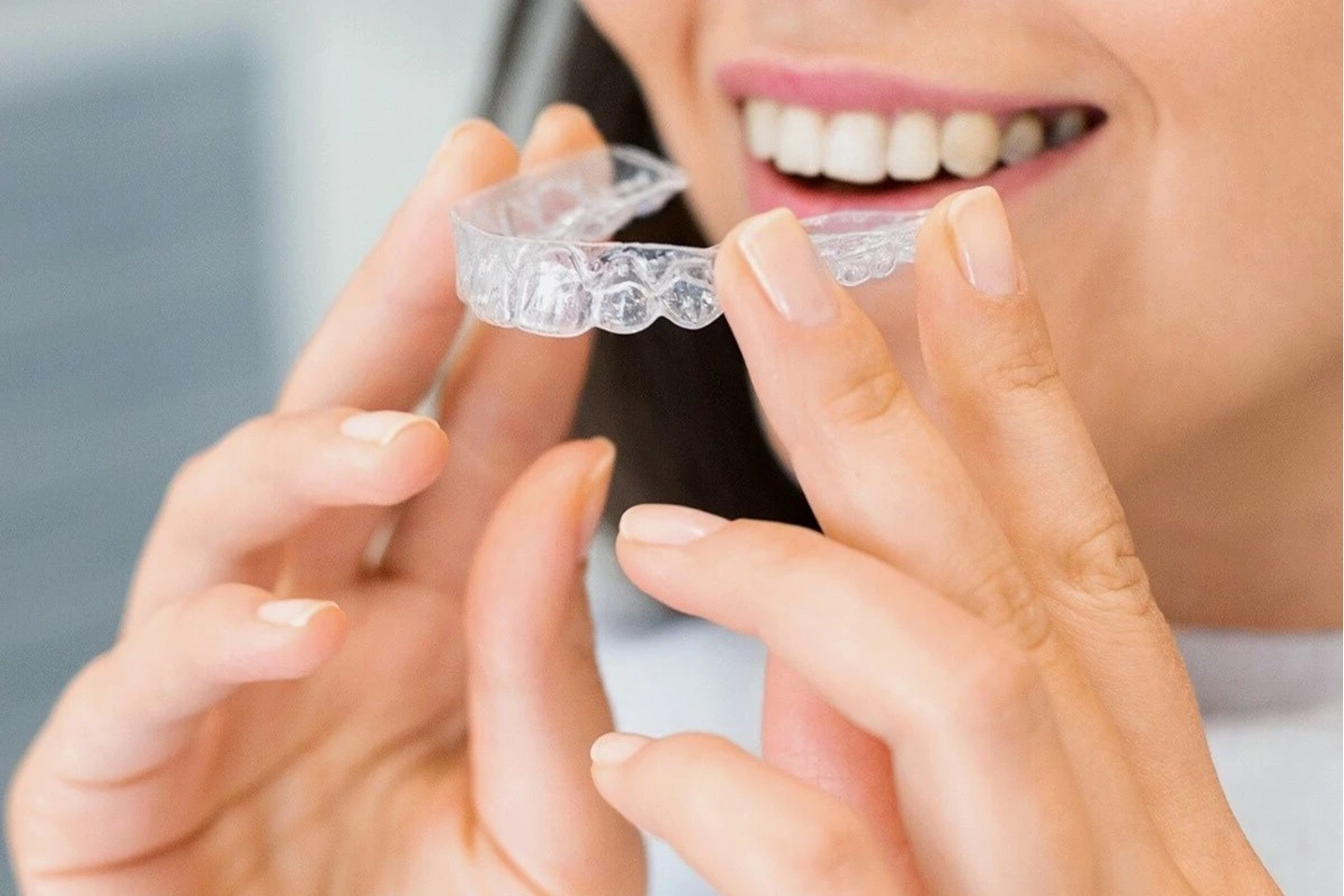
Invisalign uses a series of clear, custom-made aligners. Each aligner applies controlled pressure to guide certain teeth toward planned positions.
Why Do You Need Multiple Aligners?
Teeth cannot safely move into their final positions all at once. Instead, treatment is divided into small stages.
You wear each aligner for the recommended amount of time before progressing to the next one. Over the course of treatment, these small movements gradually create a straighter smile.
Invisalign Treatment Timeline
While every patient is different, your treatment may follow a general progression.
Initial Consultation
Your dentist evaluates your teeth, gums, bite, and orthodontic concerns. Digital scans or other records may be taken to plan treatment.
Treatment Planning
A customized treatment plan maps out the anticipated tooth movements. You may be able to see a digital representation of how your smile is expected to change.
Wearing Your Aligners
You receive a series of aligners and wear them according to your provider's instructions.
Consistency matters. Invisalign works when the aligners are worn as prescribed.
Progress Checks
Regular appointments allow your dentist to check how your teeth are moving and whether treatment is progressing as expected.
Refinement
Some patients need additional aligners after the initial series to make final adjustments. Refinements do not necessarily mean treatment has failed. Teeth do not always move exactly as predicted.
How Long Does It Take for Invisalign to Work?
You may notice changes within the first few months, especially if you have mild crowding or spacing.
However, seeing movement does not mean treatment is complete. The teeth need to reach their planned positions, and your bite may need additional adjustment.
Patience is important because orthodontic treatment is a gradual biological process.
How Long Does Invisalign Take to Fix an Overbite?
The answer depends on the severity of the overbite and what is causing it.
A mild overbite may respond within a relatively straightforward Invisalign treatment plan. A more significant bite problem may take longer and may require attachments, elastics, or additional orthodontic strategies.
Why Bite Problems Can Take Longer
Straightening the visible front teeth is only part of orthodontic treatment. When the goal includes changing how upper and lower teeth fit together, more complex tooth movement may be required.
What Can Make Invisalign Take Longer?
Several factors can affect your Invisalign duration.
Not Wearing Aligners Consistently
If aligners are not worn for the recommended amount of time, teeth may not move according to schedule.
Complex Tooth Movements
Rotations, significant crowding, spacing, and bite correction can require more treatment stages.
Missed Appointments
Regular progress visits help your dentist identify problems early.
Lost or Damaged Aligners
If you lose or damage an aligner and cannot follow your planned sequence, your treatment may be interrupted.
Individual Biology
Every person's teeth respond differently. Two people with similar-looking alignment problems may not have identical treatment timelines.
Can You Speed Up Invisalign Treatment?
The safest way to stay on schedule is to follow your treatment plan closely.
Do not switch aligners early simply because you think your teeth look straighter. Each aligner is designed for a specific stage of movement.
Keeping your aligners clean, wearing them consistently, attending appointments, and following instructions can all help prevent unnecessary delays.
Invisalign vs Traditional Braces Timeline
Invisalign and traditional braces can both provide effective orthodontic treatment. Treatment duration depends more on the complexity of the case than on whether the appliance is clear or metal.
Some patients finish Invisalign relatively quickly, while others need longer treatment. The same is true for braces.
Your dentist can compare the expected timelines based on your specific alignment and bite.
Start Your Invisalign Journey
If you have been searching “how long does Invisalign take” because you are thinking about straightening your teeth, the best answer comes from looking at your individual smile.
Schaumburg Dental Studio can evaluate your teeth, discuss your goals, and explain what your Invisalign treatment timeline may look like.
Schedule a consultation with Schaumburg Dental Studio, your dentist in Schaumburg, IL, to take the first step toward a straighter, more confident smile.
Frequently Asked Questions
How long does Invisalign take for crowded teeth?
Mild crowding may be corrected in a relatively short period, while moderate or severe crowding may require a longer treatment plan.
How long does Invisalign take to close gaps?
Small spaces can sometimes close relatively quickly. Larger spaces may require more stages.
How long does Invisalign take to work?
You may notice visible changes within several months, but the complete Invisalign treatment duration varies by patient.
Can Invisalign fix an overbite?
Invisalign can correct many overbite cases. The appropriate treatment depends on the severity and underlying cause.
Do Invisalign aligners hurt?
You may experience pressure, tightness, or mild soreness when beginning a new aligner. This generally reflects the pressure needed to guide tooth movement.
What happens if I forget to wear my aligners?
Occasionally missing some wear time may not derail treatment, but repeated inconsistency can extend your timeline. Follow your dentist's instructions if you miss significant wear time.
Do I have to wear Invisalign while sleeping?
Yes. Invisalign aligners are generally designed to be worn during sleep as part of the prescribed daily wear schedule.
Will I need retainers after Invisalign?
Yes. Retainers are typically needed after orthodontic treatment to help maintain the new position of your teeth.
Can Invisalign treatment take longer than expected?
Yes. Additional refinements or slower-than-expected tooth movement can extend the original estimated timeline.
How can I find out my Invisalign treatment duration?
A dental evaluation is the best way to receive a personalized estimate. Your dentist can assess your alignment and bite and discuss your anticipated treatment stages.

Contact Us
Our staff is happy to hear from you! Fill out our simple form to schedule your next visit and experience exceptional dental care in Schaumburg.

Email: office@sdsdentist.com
Phone: 847-882-3333

Monday: Closed
Tuesday–Thursday: 9:00 a.m. to 6:00 p.m.
Friday: 8:00 a.m. to 4:00 p.m.
Saturday: 8:00 a.m. to 2:00 p.m.
Sunday: Closed

We offer comprehensive dental services for all ages. Trust us as your go-to family dental office.


