
Why Is My Gum Receding Around a Dental Crown?
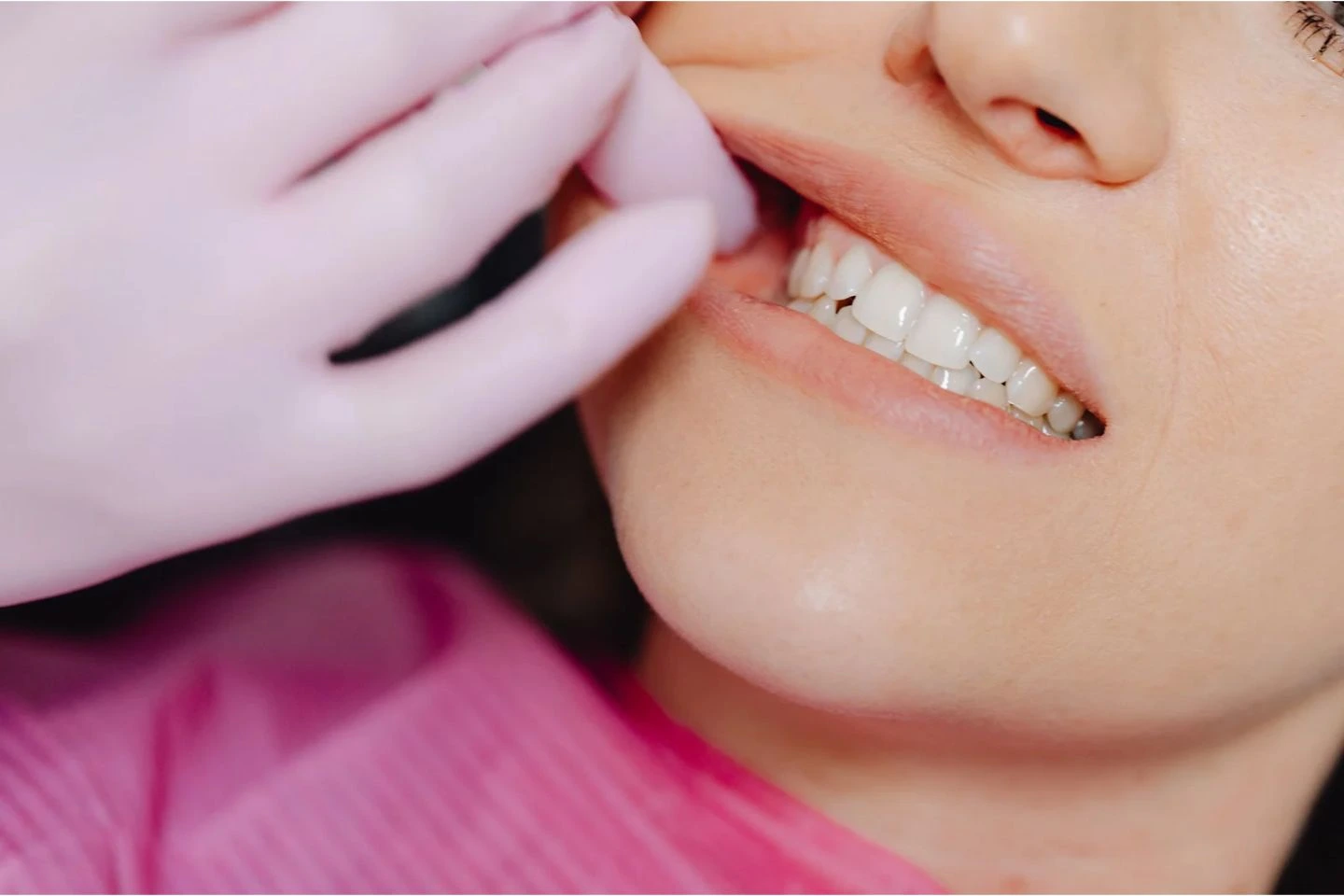
If you notice that your gum seems to be pulling away from a dental crown, you may wonder whether the crown is causing the problem.
Gum recession around a crown can happen for several reasons. Sometimes it is related to normal changes in gum tissue. In other cases, gum disease, aggressive brushing, grinding, tooth position, or the shape of the restoration may contribute to the recession.
A receding gumline deserves attention because exposed tooth structure can become sensitive and more vulnerable to plaque and decay.
If you have noticed changes around a crown, a dentist in Schaumburg, IL can examine your gums and restoration to determine what may be happening.
What Is Gum Recession?
Gum recession occurs when the gum tissue moves away from the crown of the tooth, exposing more of the tooth's surface.
When this happens around a crowned tooth, you may notice:
- The crown appears longer
- More tooth structure is visible near the gumline
- Increased sensitivity
- A notch or indentation near the gum
- Bleeding during brushing
- Food collecting around the crown
- A visible change in the gumline
Gum recession can happen gradually, so you may not notice it immediately.
Why Does Gum Recession Happen Around a Crown?
There is not always one single cause.
Gum Disease
One of the most common concerns with gum recession is periodontal disease.
Plaque contains bacteria that can irritate the gums. If plaque and tartar remain around the gumline, the tissues may become inflamed. Over time, gum disease can damage the tissues and bone supporting the teeth.
Signs may include:
- Red or swollen gums
- Bleeding
- Persistent bad breath
- Gum tenderness
- Gum recession
- Loose teeth
If you have a crown and notice these symptoms, schedule an examination.
Brushing Too Aggressively
More pressure does not necessarily mean cleaner teeth.
Using a hard-bristled toothbrush or brushing aggressively can contribute to gum irritation and recession.
Ask your dentist or dental hygienist about proper brushing technique and the type of toothbrush that may be appropriate for you.
Natural Changes Over Time
Gum tissue can change as you age.
A crown that looked perfectly surrounded by gum tissue when it was placed may eventually appear slightly different as the gumline changes.
This does not automatically mean the crown is failing.
Tooth Position
The position of the tooth within the jaw can affect the amount and thickness of gum tissue around it.
If a tooth has a thin gumline or is positioned toward the outer edge of the supporting bone, it may be more susceptible to recession.
Teeth Grinding and Clenching
Grinding can place excessive force on teeth and surrounding tissues.
While bruxism is not always the direct cause of recession, it can contribute to other problems affecting the tooth, crown, and supporting structures.
If you grind your teeth, tell your dentist so your overall oral health can be evaluated.
An Irritating Crown Margin
The fit and contour of a dental crown can influence the surrounding gum tissue.
If the edge of a crown is difficult to clean or interferes with the gum tissue, it may contribute to irritation.
This is one reason dental crowns should be examined regularly.
Is Gum Recession Around a Crown Serious?
It depends on the cause and extent of the recession.
Mild recession may primarily create cosmetic concerns or increased sensitivity. More significant recession can expose root surfaces and make them more vulnerable to sensitivity, root decay, and plaque accumulation.
The important thing is identifying the reason for the recession.
Your dentist may examine:
- Gum tissue
- Crown margins
- Plaque and tartar levels
- Tooth mobility
- Bite forces
- Bone support
- Signs of decay
- Areas of sensitivity
X-rays may also be recommended when appropriate.
Can a Receding Gum Grow Back?
Unfortunately, gum tissue that has receded generally does not grow back on its own.
However, treatment can help prevent further recession and address the underlying cause.
Depending on your situation, your dentist may recommend improved oral hygiene, professional periodontal care, bite management, or referral to a gum specialist.
In some cases of significant recession, gum grafting may be considered.
Does Gum Recession Mean My Crown Needs to Be Replaced?
Not necessarily.
If the crown is healthy and functioning properly, replacing it may not solve the cause of the gum recession.
Your dentist will evaluate whether the crown is contributing to irritation or whether another issue is responsible.
Replacing a crown should be based on the condition and fit of the restoration, not simply on the presence of recession.
How Can You Protect Your Gums Around a Crown?
Good oral hygiene is especially important around dental crowns.
Brush Gently
Use a soft-bristled toothbrush and gentle pressure.
Clean the crown and gumline carefully rather than scrubbing aggressively.
Clean Between Your Teeth
Flossing or using another dentist-recommended interdental cleaning method can help remove plaque around the crown.
Keep Regular Dental Appointments
Routine cleanings allow your dental team to monitor your gum health and identify changes early.
Avoid Tobacco Products
Tobacco use can negatively affect gum health and healing. If you use tobacco, talk with your healthcare professional about quitting.
Address Grinding
If you clench or grind your teeth, your dentist can evaluate whether additional protection is appropriate.
When Should You See a Dentist?
Make an appointment with a dentist in Schaumburg, IL if you notice:
- New gum recession
- Bleeding around the crown
- Swelling
- Persistent sensitivity
- Pain around the crown
- A loose crown
- A change in the appearance of the gumline
- Food repeatedly becoming trapped around the crown
Early evaluation can help identify the cause before the problem progresses.
Concerned About Your Gums or Dental Crown?
Changes in your gumline are worth discussing with a dental professional. Schaumburg Dental Studio can evaluate your crown, gums, bite, and surrounding teeth and help determine the most appropriate next step.
If you are looking for a dentist in Schaumburg, IL for dental crown or gum concerns, schedule an appointment with the team at Schaumburg Dental Studio.
FAQ
Q1: Why is my gum receding around my dental crown?
A: Gum recession can result from gum disease, aggressive brushing, natural gum changes, tooth position, grinding, or irritation around the crown. Your dentist can evaluate the area to identify the most likely cause.
Q2: Can a dental crown cause gum recession?
A: A crown may contribute to gum irritation if its shape or margin makes the area difficult to clean or irritates the surrounding tissue. However, gum recession can have many other causes.
Q3: Will my gum grow back around my crown?
A: Receded gum tissue generally does not grow back naturally. Treatment can focus on preventing further recession and, in selected cases, surgical gum treatment may be considered.
Q4: Should I replace my crown if my gums are receding?
A: Not necessarily. Your dentist will determine whether the crown is contributing to the problem. Replacing the crown may not be necessary if it is otherwise healthy and properly fitted.

Contact Us
Our staff is happy to hear from you! Fill out our simple form to schedule your next visit and experience exceptional dental care in Schaumburg.

Email: office@sdsdentist.com
Phone: 847-882-3333

Monday: Closed
Tuesday–Thursday: 9:00 a.m. to 6:00 p.m.
Friday: 8:00 a.m. to 4:00 p.m.
Saturday: 8:00 a.m. to 2:00 p.m.
Sunday: Closed

We offer comprehensive dental services for all ages. Trust us as your go-to family dental office.


