
Foods to Eat After Periodontal Scaling for Faster Healing
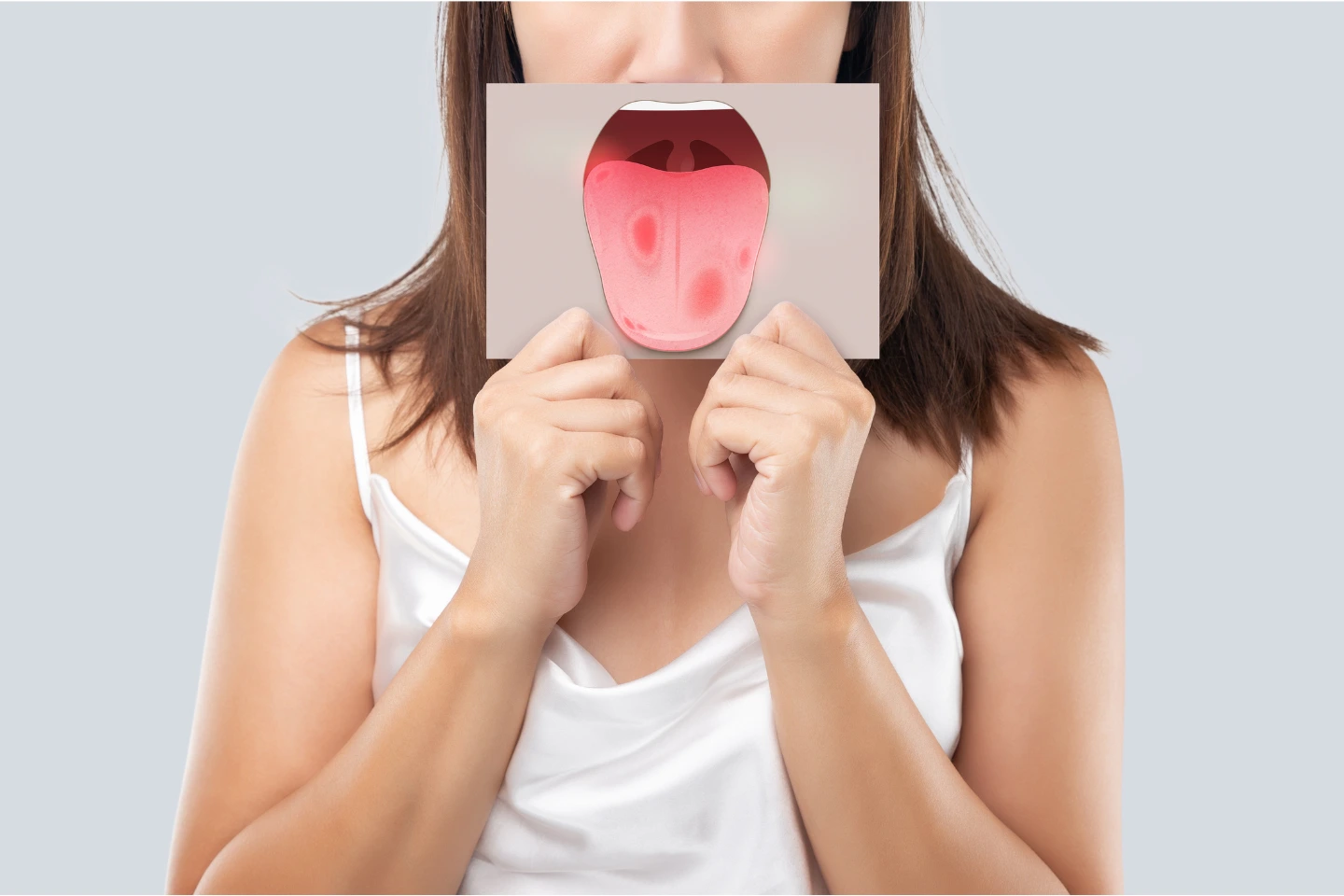
Got a periodontal scaling appointment on the calendar? You're probably running through the same questions most people do. Will your gums be sore? Can you eat normally, or are you stuck with soup for a week? Should you take time off work? Here's the thing: recovery after periodontal scaling isn't the same for everyone. Figuring out what applies to your mouth depends on a handful of factors that are worth understanding before you're in the chair.
So instead of handing you a generic timeline and hoping it fits, let's break down what actually determines your healing speed. Below, we'll walk through the factors that shape recovery, what a typical healing process looks like day by day, and how to figure out which situation matches yours.
Why Recovery Time Isn't the Same for Everyone
Periodontal scaling, often paired with root planing, goes deeper than a routine cleaning. It targets plaque and tartar buildup below the gumline, along the root surfaces, right where brushing and flossing can't reach. Because the treatment addresses areas already affected by gum disease, how far that disease has progressed plays a major role in how your gums respond afterward.
Two people can sit in the same chair, get the same treatment, and walk out with completely different experiences. Someone with mild gum inflammation might feel back to normal in a day or two. Someone with more advanced periodontal issues (deeper pockets, a longer history of chronic gum disease) may need closer to a week, sometimes a little longer, before things feel fully settled.
Factors That Determine Your Recovery Timeline
A few key things shape how quickly you bounce back:
The severity of gum disease before treatment. Deeper pockets and heavier tartar buildup usually mean more tissue irritation during scaling. That translates to a longer healing window.
How many areas of the mouth were treated in one visit. Some people have scaling done in quadrants over multiple appointments, which tends to mean a shorter, milder recovery each time. Others get more extensive treatment finished in fewer visits. That can mean a slightly longer adjustment period afterward.
Your overall gum sensitivity and general health. Conditions like diabetes or a weakened immune response can slow healing down. So can smoking, which is well known for dragging out gum tissue recovery.
How well you follow post-treatment care instructions. Sticking to soft foods, gentle brushing, and any prescribed rinses in the first few days makes a real difference in comfort and healing speed. Skip these steps, and things go sideways fast.
Knowing where you land on these factors gives you a much more realistic sense of your own timeline. A lot more useful than a one-size-fits-all estimate.
What a Typical Recovery Process Looks Like
For most people, discomfort peaks in the first 24 to 48 hours, then gradually fades. Here's a general breakdown of what tends to happen.
The First 24 to 48 Hours
Your gums may feel tender. You might notice mild swelling or sensitivity to hot and cold. Some slight bleeding when brushing is common during this window, no big deal, just part of the process. Over-the-counter pain relief and a saltwater rinse can help manage discomfort. Sticking to softer foods (room-temperature soups, yogurt, scrambled eggs) is usually the move during this stretch.
Days Three Through Five
Swelling and tenderness typically start to ease up. Many people feel ready for a more normal diet, though very hot, cold, spicy, or crunchy foods might still cause some sensitivity. Gums often look pinker. Feel less puffy, too, as the inflammation continues settling down.
One Week and Beyond
By the end of the first week, most people are back to their normal routine, with gums feeling firmer and less reactive. For those with more advanced gum disease, some lingering sensitivity might stick around a bit longer. It can take a few weeks for the gum tissue to fully reattach and tighten around the teeth.
How to Know Which Recovery Path Applies to You
Since recovery varies so much person to person, it helps to ask yourself a few questions before your appointment so you know what you're actually planning for.
How advanced is your gum disease? If your dentist has mentioned deeper pockets or noticeable bone loss, expect a longer, more gradual recovery than someone being treated for early-stage gingivitis.
Are you having full-mouth treatment or a staged approach? Ask your dental team whether your scaling happens in one visit or gets spread across separate appointments. This alone can change what your whole week looks like.
Do you have other health conditions that affect healing? If you manage diabetes, take medications that affect blood clotting, or smoke, say so during your consultation. Your dental team can give you a much clearer estimate once they know the full picture.
How does your body typically respond to dental work? Had fillings, extractions, or previous cleanings and healed quickly? That's a reasonable indicator for how you'll likely respond this time, too.
Answering these honestly, ideally out loud with your dental provider, gives you a far clearer answer than any generic recovery chart ever could.
Tips to Support a Smoother Recovery
You can't control every factor here. But there's plenty within your power to help things along.
Stick to a soft food diet for the first couple of days. Skip anything overly hot, crunchy, or acidic that could irritate healing gum tissue.
Rinse gently with warm salt water a few times a day. It cuts down on bacteria and soothes inflammation.
Brush carefully, but don't skip oral hygiene altogether. Use a soft-bristled brush and go easy around treated areas.
Avoid smoking or tobacco products. These slow healing down and raise your risk of complications, plain and simple.
Follow up as scheduled. Your dental team may want to check on healing progress, especially if your treatment was more extensive.
Ready to Get Started?
Dealing with signs of gum disease, bleeding gums, bad breath that won't quit, or gum recession? Periodontal scaling might be a smart next step toward getting your oral health back on track. At Schaumburg Dental Studio, we take the time to walk you through what your specific recovery might look like based on your actual gum health, so you're never left guessing. Searching for periodontal scaling in Schaumburg, IL? Our team is ready to walk you through your options and help you figure out what fits. Reach out to schedule a consultation and get real answers about your treatment and recovery timeline.
FAQs About Recovery After Periodontal Scaling
Q. Is it normal for gums to bleed a few days after periodontal scaling?
Some light bleeding during brushing is common in the first couple of days. If bleeding is heavy or sticks around beyond a few days, check in with your dental team.
Q. Can I go to work the day after periodontal scaling?
Most people return to work or normal activities the same day or the day after. Periodontal scaling doesn't typically require real downtime. Mild soreness is usually manageable with over-the-counter pain relief.
Q. Why do my gums feel more sensitive after scaling than before treatment?
This is a normal part of healing. Once tartar and plaque are removed, root surfaces that were previously covered can feel more exposed and sensitive for a short stretch while gums heal and tighten back up.
Q. How many appointments does periodontal scaling usually take?
Depends on how far the gum disease has progressed. Some people finish treatment in one visit. Others have it done in sections over two or more appointments, whatever your dental team recommends based on your needs.
Q. When should I follow up after periodontal scaling?
Many dental providers recommend a follow-up visit within a few weeks to check healing progress and gum health. Your exact timeline depends on your treatment plan.

Contact Us
Our staff is happy to hear from you! Fill out our simple form to schedule your next visit and experience exceptional dental care in Schaumburg.

Email: office@sdsdentist.com
Phone: 847-882-3333

Monday: Closed
Tuesday–Thursday: 9:00 a.m. to 6:00 p.m.
Friday: 8:00 a.m. to 4:00 p.m.
Saturday: 8:00 a.m. to 2:00 p.m.
Sunday: Closed

We offer comprehensive dental services for all ages. Trust us as your go-to family dental office.


