
Can Food Get Stuck Under a Dental Crown? Causes and Solutions
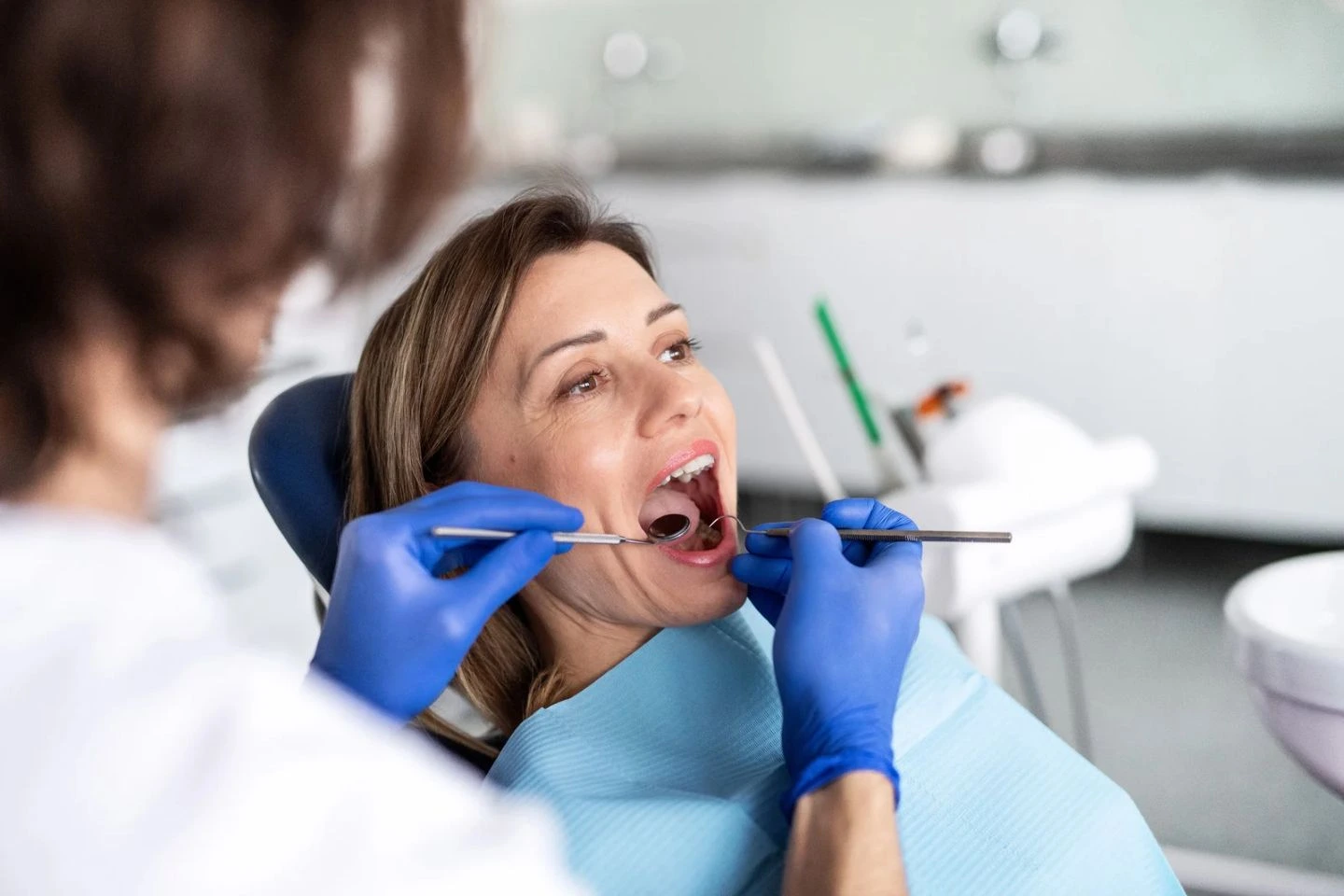
Dental crowns are designed to restore damaged teeth and function much like natural teeth. But if food repeatedly gets stuck around a crown, you may start to wonder whether something is wrong.
A small amount of food occasionally becoming trapped between teeth can be normal. However, if food consistently collects around one crown, especially if it causes discomfort, bad breath, bleeding, or sensitivity, there may be an underlying issue.
Food can become trapped because of changes in the contact between teeth, gum recession, the shape of the crown, decay, or changes in the surrounding teeth.
A dentist in Schaumburg, IL can evaluate the crown and surrounding teeth to determine why food is getting stuck and what can be done.
Can Food Get Under a Dental Crown?
A properly fitted dental crown should be securely attached to the tooth. Food should not routinely enter underneath the crown itself.
However, food can become trapped:
- Between the crown and an adjacent tooth
- Along the gumline
- In an area affected by gum recession
- Around an irregular crown margin
- In a space created by changes in the bite or neighboring tooth
If you feel as though food is getting underneath the crown, it is important to have the area checked rather than assuming the crown has a hole or gap.
Why Does Food Keep Getting Stuck Around My Crown?
The Contact Between Teeth May Be Too Loose
Your teeth normally touch each other at specific contact points.
If the contact between your crown and neighboring tooth is too open, food can become packed into the space while chewing.
This may cause:
- Gum tenderness
- Bleeding
- A feeling of pressure
- Bad breath
- Repeated irritation
Your dentist can evaluate the contact and determine whether the crown or surrounding tooth needs attention.
Gum Recession May Have Created a Space
When gum tissue recedes, spaces can develop around the teeth.
These areas can collect food and plaque more easily than they did previously.
If you have noticed both gum recession and food trapping around your crown, mention both symptoms during your dental appointment.
The Crown May Need to Be Evaluated
The shape and contour of a dental crown are important.
A crown that does not adequately reproduce the natural contours of the tooth may make cleaning more difficult or allow food to collect in certain areas.
This does not automatically mean the crown needs replacement. Your dentist will evaluate its fit and condition before deciding what treatment is appropriate.
A Neighboring Tooth May Have Changed
Food trapping is not always caused by the crown.
The neighboring tooth may have shifted, worn down, developed a cavity, or received another restoration.
Changes in one tooth can affect how it contacts the surrounding teeth.
Gum Disease May Be Contributing
Inflamed gums can change the way the tissues around a crown feel and function.
If you also have bleeding, swelling, redness, tenderness, or persistent bad breath, gum disease should be considered.
A dental cleaning and periodontal evaluation may be recommended.
Is Food Getting Stuck Around a Crown a Problem?
Repeated food trapping can become more than an annoyance.
Food particles can provide a source of nutrients for oral bacteria. If the area is difficult to clean, plaque may accumulate.
Over time, this may contribute to:
- Gum inflammation
- Bad breath
- Cavities
- Sensitivity
- Gum recession
- Periodontal problems
This is why persistent food trapping should be discussed with your dentist.
What Can You Do at Home?
Good daily cleaning can help reduce food accumulation.
Floss Carefully
Slide the floss gently between the teeth and curve it around the sides of the crown.
Avoid snapping floss forcefully against the gums.
Use Interdental Cleaners
Depending on the size of the space, your dentist may recommend interdental brushes or another cleaning device.
Consider a Water Flosser
A water flosser may be helpful for some people, particularly around restorations and hard-to-reach areas.
Ask your dentist whether it is appropriate for your needs.
Brush Twice a Day
Use fluoride toothpaste and a soft-bristled toothbrush.
Pay attention to the gumline around the crown.
Should I Use a Toothpick to Remove Food?
It is better to avoid aggressively poking around a crown with sharp objects.
A toothpick can injure the gum or potentially damage a restoration if used improperly.
Floss, interdental cleaners, or a water flosser may provide safer alternatives.
If food is constantly becoming trapped in the same location, professional evaluation is more useful than repeatedly trying to remove it at home.
Can a Dentist Fix Food Trapping Around a Crown?
Often, the first step is determining why the food is becoming trapped.
Depending on the cause, treatment may involve:
- Professional cleaning
- Treatment for gum disease
- A bite or contact adjustment
- Treatment of a neighboring tooth
- Repair of a restoration
- Crown replacement
Your dentist will recommend treatment based on the condition of the crown and surrounding structures.
What If the Crown Feels Loose?
A loose crown should be evaluated promptly.
A crown that moves can allow bacteria and debris to collect around the tooth and may indicate a problem with the restoration or underlying tooth.
Do not repeatedly push or pull on a loose crown.
Contact your dentist and avoid chewing hard or sticky foods on that side until you receive professional advice.
Can Food Getting Stuck Cause a Cavity Under a Crown?
Food itself does not directly cause a cavity. However, food debris can contribute to plaque buildup, and oral bacteria in plaque produce acids that can damage natural tooth structure.
The natural tooth underneath and around a crown can still develop decay.
Regular brushing, interdental cleaning, professional cleanings, and dental examinations can help reduce the risk.
When Should You See a Dentist?
Schedule an appointment with a dentist in Schaumburg, IL if food repeatedly becomes trapped around a crown, particularly if you also experience:
- Pain
- Bleeding
- Gum swelling
- Sensitivity
- Bad breath
- A bad taste
- A loose crown
- Changes in the crown's appearance
- Difficulty flossing around the crown
These symptoms may indicate an issue that needs treatment.
How Can You Prevent Food From Getting Stuck Around a Crown?
You cannot always prevent food from entering spaces between teeth, but you can reduce the risk of problems by keeping the area clean.
Make daily flossing part of your routine, attend regular dental cleanings, and follow your dentist's recommendations for interdental care.
If you notice a new space around a crown, do not wait for it to become painful before mentioning it.
Get Your Crown and Bite Checked at Schaumburg Dental Studio
Food repeatedly getting stuck around a dental crown is more than an inconvenience when it happens in the same spot every day. It can signal a change in the crown, gumline, neighboring teeth, or bite.
Schaumburg Dental Studio can evaluate the area and help determine why food is becoming trapped and whether treatment is needed.
If you are searching for a dentist in Schaumburg, IL for dental crown care, contact Schaumburg Dental Studio to schedule an evaluation.
FAQ
Q1: Why does food keep getting stuck around my dental crown?
A: Food can become trapped because of a loose contact between teeth, gum recession, changes in a neighboring tooth, gum disease, or the shape and fit of the crown. Your dentist can identify the underlying cause.
Q2: Can food get underneath a dental crown?
A: A properly fitted crown should be securely attached to the tooth, so food should not routinely enter underneath it. If you feel food is getting under the crown, have it evaluated.
Q3: How should I clean around a dental crown?
A: Brush twice daily and clean between your teeth every day. Depending on your needs, your dentist may recommend floss, interdental brushes, or a water flosser.
Q4: Should I replace my crown if food keeps getting stuck?
A: Not necessarily. The cause may be related to your gums, neighboring tooth, or contact between teeth. Your dentist should evaluate the area before determining whether the crown needs repair or replacement.
Q5: Can food stuck around a crown cause bad breath?
A: Repeated food accumulation can contribute to plaque and bacterial buildup, which may contribute to bad breath. Cleaning the area and addressing the underlying cause can help.

Contact Us
Our staff is happy to hear from you! Fill out our simple form to schedule your next visit and experience exceptional dental care in Schaumburg.

Email: office@sdsdentist.com
Phone: 847-882-3333

Monday: Closed
Tuesday–Thursday: 9:00 a.m. to 6:00 p.m.
Friday: 8:00 a.m. to 4:00 p.m.
Saturday: 8:00 a.m. to 2:00 p.m.
Sunday: Closed

We offer comprehensive dental services for all ages. Trust us as your go-to family dental office.


