
Can You Eat After a Root Canal? The Ultimate Guide to Safe Post-Procedure Meals
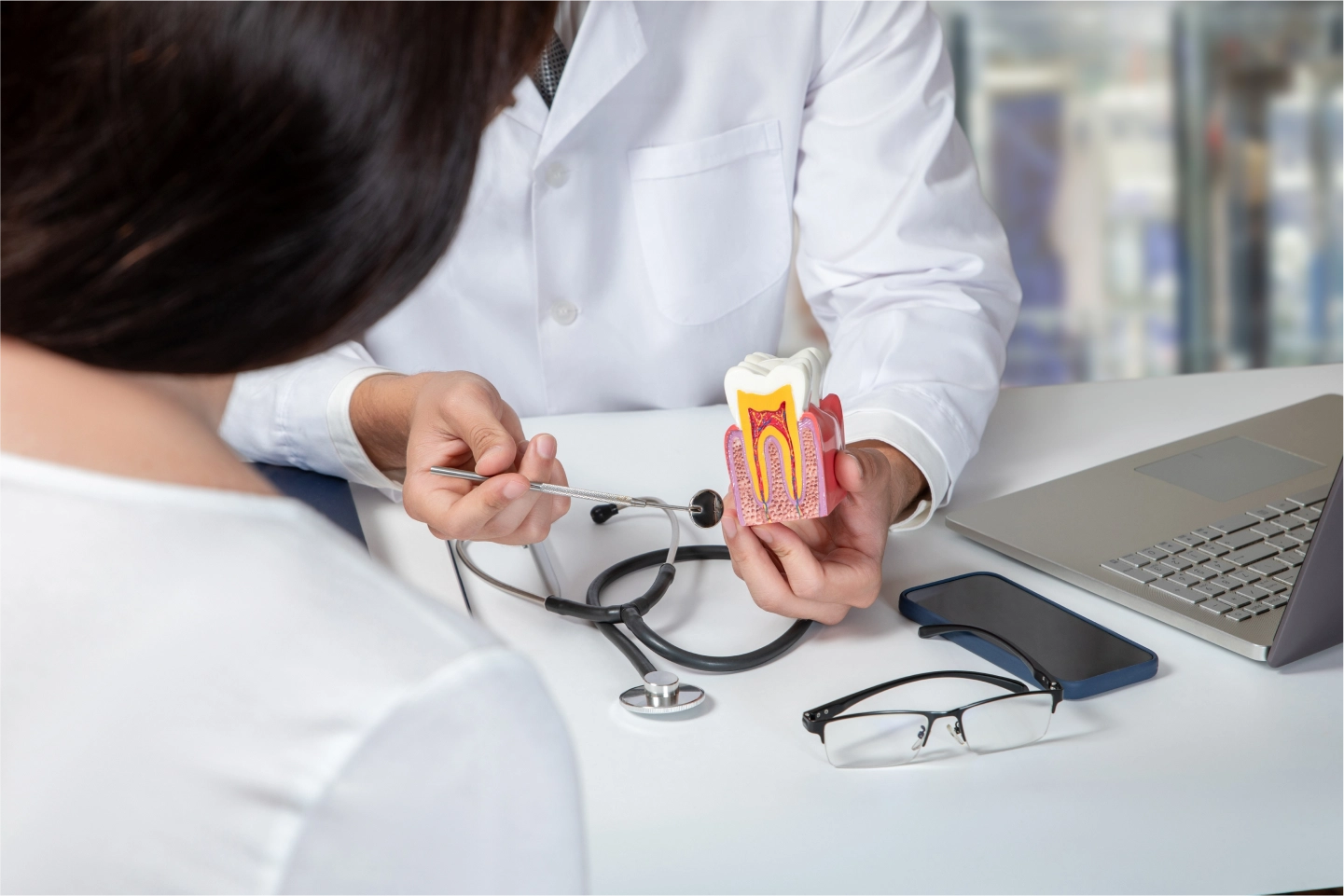
Root canal therapy has a bit of an unfair reputation. For decades, it has been the punchline of jokes about painful experiences, but the reality is quite different. Modern dental procedures make getting a root canal no more uncomfortable than receiving a standard filling. In fact, a root canal is designed to eliminate the severe pain caused by a deep tooth infection, helping you save your natural tooth and protect your overall oral health.
Once your endodontic treatment is over and the initial wave of relief washes through you, a very practical problem usually comes up: hunger. After sitting in a dental chair for an hour or two, your stomach is bound to start growling. But looking at your newly treated tooth might make you hesitate. Can you eat after a root canal? What foods are safe, and what should you avoid to keep from ruining the dentist's hard work?
The quick answer is that you can eat after the procedure, but you have to be smart about when and what you eat. Rushing into a heavy meal can cause unexpected pain, damage your tooth, or lead to complications. At Schaumburg Dental Studio, we want your recovery to be as comfortable and fast as possible. Let us break down everything you need to know about eating after a root canal so you can nourish your body without hurting your smile.
The First Rule: Wait for the Numbness to Wear Off
The most important rule of post-root canal dining is to keep your mouth completely closed to food until the local anesthesia has fully worn off. During the procedure, your dentist will use a numbing agent to ensure you do not feel any pain. This numbness does not just affect the specific tooth; it spreads to your lips, cheeks, gums, and tongue, lasting for a few hours after you leave the office.
Trying to chew food while your mouth is numb is a recipe for disaster. Because you cannot feel anything, you run a very high risk of severely biting the inside of your cheek, your lip, or your tongue. You could cause a deep, painful wound without even realizing it until the anesthesia fades.
Additionally, you might accidentally chew with too much force on the treated side of your mouth, which can cause early damage. Stick to water or smooth liquids while you wait for that frozen, tingling feeling to disappear.
Why Your Treated Tooth Is Vulnerable Right Now
To understand why you need to modify your diet for a few days, it helps to know what happens to your tooth during a root canal. Your dentist cleans out the infected pulp from inside the root canals, sanitizes the empty space, and fills it with a biocompatible material to seal it shut. Learning more about the endodontic treatment process can help you better understand how your tooth heals after the procedure.
In most cases, the dentist will place a temporary filling over the access hole to protect the inside of the tooth while it heals. This temporary filling is designed to keep bacteria out until you return to the office to receive your permanent dental crown.
Because a temporary filling is not as strong as your natural tooth enamel or a permanent porcelain crown, the tooth is structurally weaker than normal. Heavy chewing forces can crack the remaining tooth structure, pop the temporary filling loose, or cause a sudden flare-up of tooth sensitivity. Until that final crown is securely bonded in place by a skilled dentist, you must treat the tooth with extra care.
What to Eat After a Root Canal: Safe and Healthy Options
Once the numbness is totally gone and you are ready for a real meal, your focus should be on soft, easy-to-chew foods. Your jaw might also feel a bit sore from staying open during the dental procedure, so soft foods will give your muscles a much-needed break. Here are some excellent, safe options to keep you full and satisfied.
Nourishing Liquids and Smoothies
Smoothies are a fantastic way to get a quick dose of vitamins, protein, and calories without doing any chewing at all. You can blend together bananas, spinach, protein powder, and milk or yogurt for a filling snack. Just remember to skip the straw and sip your smoothie directly from the glass to avoid creating suction in your mouth, which can irritate sensitive tissues. Lukewarm soups, like tomato soup, pumpkin soup, or bone broth, are also wonderful, provided they are not served steaming hot.
Soft Proteins and Dairy
You need protein to help your body heal, but tough meats like steak or chicken are off-limits for now. Instead, turn to soft dairy items and alternative protein sources. Scrambled eggs are incredibly soft, easy to eat, and packed with nutrients. Cottage cheese, plain Greek yogurt, and soft tofu are also gentle on your teeth and require zero biting effort.
Gentle Grains and Carbohydrates
If you need something more substantial to satisfy your hunger, carbohydrates are a great route. Mashed potatoes or mashed sweet potatoes are classic comfort foods that do not require any chewing. Oatmeal, cream of wheat, or well-cooked pasta are also safe choices. Just make sure the pasta is cooked until it is soft, avoiding anything served al dente.
Soft Fruits and Vegetables
You do not have to skip your fruits and veggies during recovery. Avocados are smooth, healthy, and easy to eat with a spoon. Ripe bananas, applesauce, and well-cooked, mashed carrots or squash allow you to maintain your normal diet without putting any pressure on your healing tooth.
Foods to Avoid Until Your Final Crown Is Placed
Just as important as knowing what to eat is knowing what to keep far away from your mouth. Eating the wrong food can cause your temporary filling to fail, which can let bacteria leak back into the tooth and ruin the entire root canal procedure. Avoid these foods completely until your treatment is fully completed.
Hard and Crunchy Foods
Foods that require a lot of physical biting force can easily fracture a weakened tooth. Stay away from nuts, seeds, chips, popcorn, crackers, and raw vegetables like carrots or celery. You should also avoid chewing on ice cubes, which is a major cause of cracked teeth even under normal circumstances.
Sticky and Chewy Foods
Sticky foods can act like glue, grabbing onto your temporary filling and pulling it right out of the tooth. Avoid caramel, taffy, gummy candies, chewing gum, and even thick breads or bagels that require aggressive chewing.
Extremely Hot or Cold Items
It is very common to experience mild tooth sensitivity and inflammation around the gums for a few days after a root canal. Exposing your mouth to boiling hot coffee or ice-cold drinks can trigger sharp pains and increase inflammation. Stick to room-temperature or lukewarm foods and beverages until the area settles down.
Spicy or Highly Acidic Foods
Spicy dishes, citrus fruits, and tomatoes can irritate the sensitive gum tissue surrounding the treated tooth, especially if your dentist had to use a dental dam or if the tissue was slightly bruised during the procedure. Keep your meals mild for the first forty-eight hours.
Tips for Eating Comfortably During Recovery
- Chew on the Opposite Side: Make a conscious effort to chew your food exclusively on the side of your mouth away from the root canal. This keeps the temporary filling safe from direct pressure.
- Take Small Bites: Cut your food into tiny, bite-sized pieces so you do not have to open your mouth too wide or chew excessively.
- Rinse Gently After Meals: Food particles can easily get trapped around the edges of a temporary filling. Swish gently with warm water or a mild saltwater rinse after eating to keep the area clean without aggressive brushing.
Restore Your Smile with Confidence at Schaumburg Dental Studio
A root canal is an important step toward saving your natural teeth and eliminating oral pain, but the success of the treatment relies heavily on proper aftercare. Choosing the right foods and protecting your temporary restoration ensures your mouth heals seamlessly. Proper recovery habits also contribute to long-term tooth preservation, helping you maintain a healthy and functional smile for years to come. If you are experiencing a severe toothache, or if you need to schedule a consultation for a root canal or permanent crown, our compassionate team is here to take care of you. At Schaumburg Dental Studio, we focus on patient comfort, advanced technology, and lasting clinical results. Let us help you keep your smile healthy, functional, and pain-free. Contact our office today to book an appointment with a premier dentist.
Frequently Asked Questions About Post-Root Canal Care
How long after a root canal can I eat?
A: You can eat as soon as the local anesthesia wears off completely, which usually takes between two to four hours after your appointment. Eating before the numbness goes away can lead to accidental cheek or tongue biting.
Can I drink coffee after a root canal?
A: Yes, you can have coffee, but you should wait until the numbness wears off. Most importantly, make sure your coffee is lukewarm or iced, not boiling hot, as extreme heat can aggravate tooth sensitivity and increase swelling in the surrounding tissues.
Is it normal for the tooth to feel sore when I bite down?
A: Yes, mild soreness and tenderness when chewing are completely normal for a few days after endodontic treatment. The tissue surrounding the root of the tooth is often inflamed from the original infection and the dental work itself. This discomfort can usually be managed with over-the-counter pain relievers. However, if the pain is severe or gets worse over time, contact your dental team.
What should I do if my temporary filling falls out while eating?
A: If your temporary filling comes loose or falls out completely, do not panic, but do call your dental office right away. The temporary filling protects the clean root canals from bacteria. If it is missing for too long, the tooth can become reinfected. Your dentist will need to replace the filling quickly to keep the tooth safe.

Contact Us
Our staff is happy to hear from you! Fill out our simple form to schedule your next visit and experience exceptional dental care in Schaumburg.

Email: office@sdsdentist.com
Phone: 847-882-3333

Monday: Closed
Tuesday–Thursday: 9:00 a.m. to 6:00 p.m.
Friday: 8:00 a.m. to 4:00 p.m.
Saturday: 8:00 a.m. to 2:00 p.m.
Sunday: Closed

We offer comprehensive dental services for all ages. Trust us as your go-to family dental office.


