
Does Bleaching Teeth Ruin Your Enamel? The Real Truth About Whitening
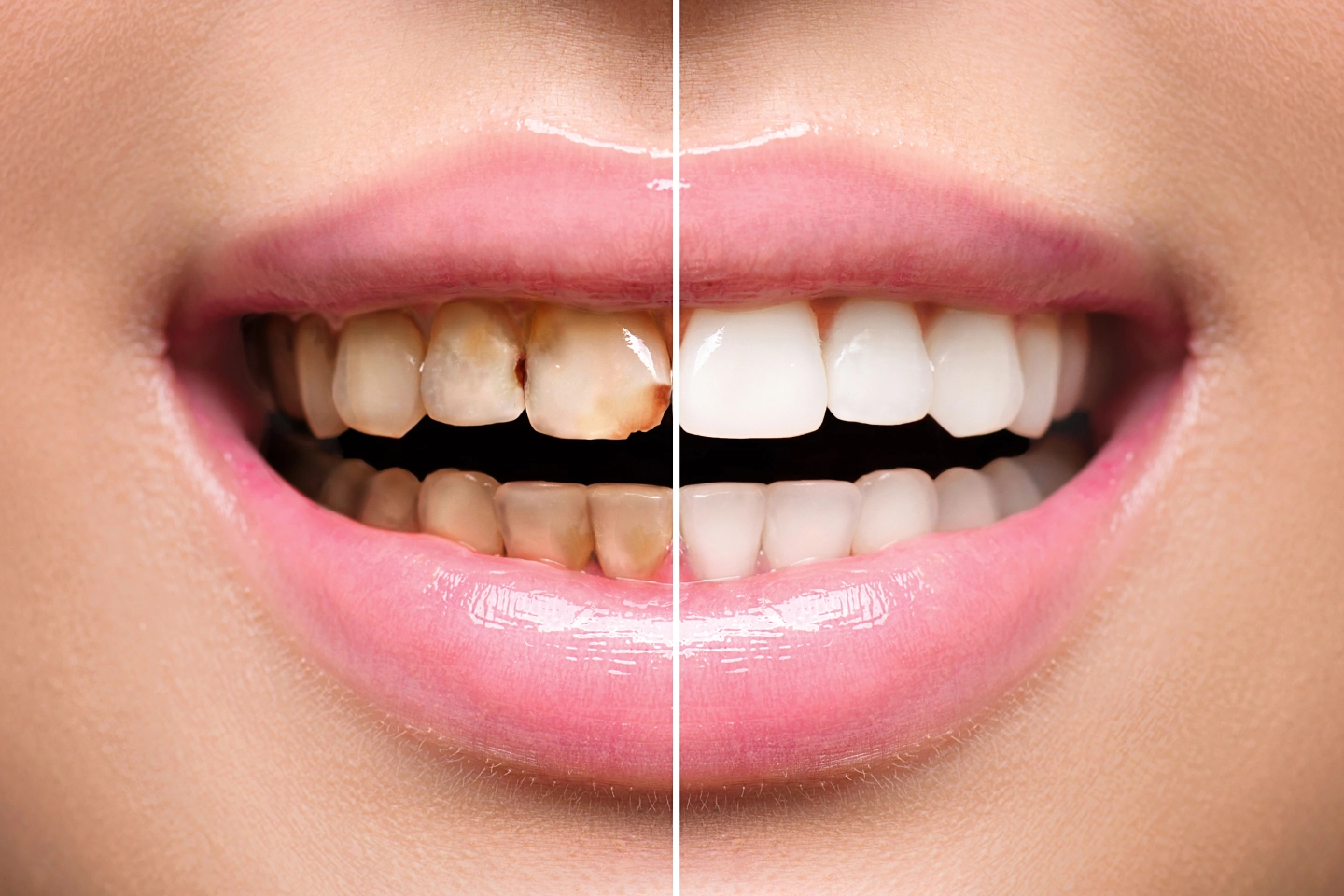
Everyone wants a white smile. When your teeth look clean and bright, it makes you feel good and lets you smile without hiding. Because of this, teeth whitening has become one of the most popular dental choices out there. But if you are thinking about trying it, you probably have one big question on your mind: does bleaching teeth ruin your enamel?
It makes total sense to ask this. Your tooth enamel is very important, and once it gets damaged, your body cannot replace it. Hearing rumors that whitening kits can melt, strip, or weaken your teeth is enough to make anyone second-guess their choices. You definitely do not want to risk the long-term health of your smile just for a quick fix.
To answer your question directly: no, professional teeth bleaching does not ruin your enamel when it is done the right way. However, there is a massive difference between safe treatments and the wrong use of over-the-counter products. At Schaumburg Dental Studio, we want to explain how whitening works so you can keep your teeth completely safe while getting the bright look you want.
Understanding Your Enamel and How Whitening Works
To see why whitening is safe, it helps to understand how your teeth are built and what the bleaching gels actually do to them.
What Is Tooth Enamel?
Tooth enamel is the hard outer shell of your teeth. It is the hardest substance in the human body, even tougher than your bones. Enamel is made of packed minerals, mostly hydroxyapatite. Its job is to protect the softer, sensitive inside parts of your teeth from cavities, daily wear, and temperature shifts from hot or cold foods. Right beneath this enamel layer is a softer, yellow material called dentin.
How Teeth Whitening Works
When you drink things like coffee, tea, or red wine, or eat dark foods like berries, tiny stain particles get trapped inside the microscopic pores of your enamel. Over time, these stains build up and cause your smile to look yellow or dark.
Whitening products contain active ingredients like hydrogen peroxide or carbamide peroxide. These gels pass right into those tiny pores. The peroxide starts a safe chemical reaction that breaks apart the dark stain molecules. Once these stains are broken down, they lose their color, making your teeth look much whiter.
The key point here is that the gel does not strip away or dissolve your enamel. It just goes through the structure to clean out the trapped stains. It changes the color of the dark spots, but it does not change the tooth structure itself.
The Actual Risks: When Can Bleaching Hurt Your Teeth?
Even though bleaching is safe for healthy enamel, you can still run into trouble if you use whitening products the wrong way or use them too much. Here are the main ways people accidentally hurt their teeth.
Overusing Bleaching Products
The biggest cause of damage is simply overdoing it. White smiles fade over time because we keep eating and drinking things that stain. Because of this, some people get obsessed with keeping their teeth bright and use whitening kits far too often.
Using strong whitening gels every week or leaving strips on your teeth for hours can cause real problems. This constant contact with harsh chemicals can break down the surface proteins on your teeth. It can leave your teeth looking chalky, cause bad sensitivity, and pull away helpful minerals.
Trying Dangerous DIY Home Tricks
The internet is full of bad advice for whitening your teeth at home. A very common trend is mixing baking soda with lemon juice or apple cider vinegar to scrub away stains.
This is a terrible idea for your oral health. Things like lemon juice and vinegar are full of acid. Acid dissolves enamel, which leads to dental erosion. When you mix an acid with an abrasive powder like baking soda and scrub, you are essentially sanding down your protective enamel. Once that layer gets thin, the yellow dentin underneath starts to show through. This actually makes your teeth look darker and more yellow than before you started.
Whitening over Cavities or Gum Issues
Bleaching gels are only safe to use if your mouth is completely healthy. If you have open cavities, exposed tooth roots, or severe gum disease, putting whitening gel on your teeth can cause intense pain and deeper issues. The peroxide can leak straight into a cavity or down to an exposed root, irritating the nerve inside your tooth. This is why you should always get a checkup with a qualified dentist in Schaumburg, IL before starting any kind of whitening plan.
Professional Office Whitening vs. Store-Bought Kits
If you want to whiten your teeth, you have two basic paths: getting a professional treatment from a cosmetic dentist or buying a cheap kit from a local store. The path you choose makes a huge difference in keeping your enamel safe.
The Safety of Professional Care
When you choose professional teeth bleaching, a dental team watches over the entire process. Your treatment starts with a full exam to make sure your teeth and gums are ready for the gel.
Dentists use balanced, medical-grade formulas that often include special ingredients like potassium nitrate and fluoride. These extra ingredients help strengthen your enamel and stop your teeth from hurting. Your dentist can also make custom trays that fit your teeth perfectly. This keeps the gel on your teeth and stops it from leaking onto your gums, where it could cause painful burns.
The Dangers of Cheap Box Kits
Store-bought kits, like generic strips or one-size-fits-all trays, can be highly unpredictable. Because the trays are not made for your specific mouth, the gel often spills out onto your gums. This can cause chemical burns and leave your gums sore.
Worse, some cheap whitening products sold online use highly acidic mixes to get fast results. These acidic gels can rough up and weaken the surface of your enamel, making your teeth much more likely to get cavities or pick up new stains down the road.
Temporary Sensitivity vs. Permanent Damage
Many people mix up temporary tooth sensitivity with actual enamel damage. It is very common to feel a little bit of sensitivity or sharp "zings" during or right after a whitening treatment.
This happens because the bleaching process temporarily opens up the tiny pores in your enamel. This lets hot or cold temperatures travel straight down to the nerves in your dentin. This reaction is normal and temporary. Within a few days, your saliva puts minerals back into those pores to close them up, and the sensitivity stops. This does not mean your enamel has been permanently worn away.
How to Keep Your Enamel Safe While Whitening
You do not have to live with stained teeth to protect your health. If you follow these simple steps, you can get a whiter smile without hurting your enamel:
- Talk to your dentist first: Get a professional opinion before you buy any whitening product so you know your teeth are healthy.
- Follow the instructions exactly: Never leave whitening products on your teeth longer than the box says. Longer times do not make teeth whiter; they just cause pain.
- Use a strengthening toothpaste: Brushing with a toothpaste that has fluoride or hydroxyapatite helps rebuild and protect your enamel.
- Watch what you eat after whitening: The pores in your teeth stay open for a little while after you whiten, making them catch stains easily. Avoid dark drinks like coffee, tea, and soda for at least forty-eight hours.
Ready for a Brighter, Healthier Smile? Contact Schaumburg Dental Studio Today
Getting a whiter smile should never mean ruining your teeth. If you want to brighten your smile safely, our team is here to help you do it right. At Schaumburg Dental Studio, we offer professional whitening treatments that give you amazing results while keeping your tooth enamel completely safe. We will examine your teeth, talk about what you want, and build a plan that keeps you comfortable. Let us help you look and feel your best. Contact our office today to set up your visit with a top dentist.
Frequently Asked Questions About Teeth Bleaching
Does whitening toothpaste wear down enamel?
Some whitening toothpastes can be too rough. Instead of using chemicals to bleach your teeth, they use gritty ingredients to scrub away surface stains. If you use a very rough toothpaste every day with a hard toothbrush, you can wear down your enamel over time. Look for a gentle whitening toothpaste with a low Relative Dentin Abrasivity (RDA) score.
How often can I safely whiten my teeth?
For professional treatments, once a year or a quick touch-up every six months is usually plenty. If you are using at-home store kits, you should limit your use to a two-week period once or twice a year. Always give your teeth a long break between whitening sessions.
Can bleaching damage my existing dental work?
Whitening gels only work on natural teeth. They will not hurt porcelain crowns, veneers, or tooth-colored fillings. However, they will not change their color either. If you whiten your teeth, your natural teeth will get lighter while your old crowns or fillings stay the same color, which can make your smile look uneven.
Is professional teeth bleaching safer than store strips?
Yes, professional whitening is much safer because it is tailored to your specific mouth. Your dentist makes sure the gel is safe, protects your gums from burns, and watches your progress to prevent any damage to your enamel.

Contact Us
Our staff is happy to hear from you! Fill out our simple form to schedule your next visit and experience exceptional dental care in Schaumburg.

Email: office@sdsdentist.com
Phone: 847-882-3333

Monday: Closed
Tuesday–Thursday: 9:00 a.m. to 6:00 p.m.
Friday: 8:00 a.m. to 4:00 p.m.
Saturday: 8:00 a.m. to 2:00 p.m.
Sunday: Closed

We offer comprehensive dental services for all ages. Trust us as your go-to family dental office.


