
Does a Root Canal Hurt? The Truth About This Misunderstood Treatment
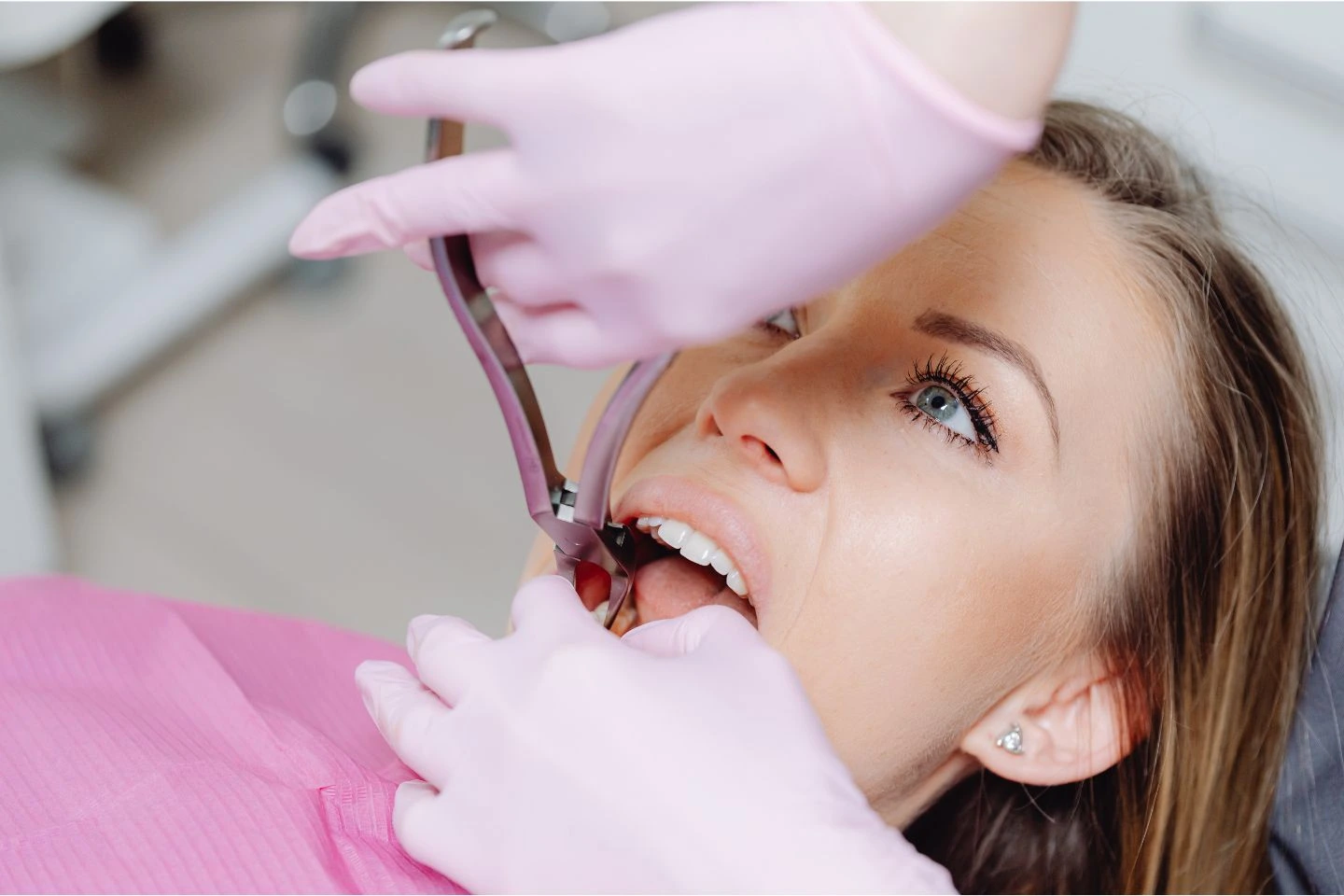
Few phrases in the English language inspire quite as much instant dread as: "You need a root canal." For decades, pop culture, television shows, and neighborhood horror stories have painted this routine dental procedure as the ultimate benchmark for physical agony. If your dentist recently told you that a root canal is in your near future, it is completely normal to feel a sudden wave of anxiety. You might find yourself staring at the calendar, losing sleep, and asking the big question: Does a root canal hurt?
At Schaumburg Dental Studio, we hear this question all the time, and we understand exactly where you are coming from. Dental anxiety is incredibly real, especially when it comes to procedures that involve the deeper layers of your teeth. However, we have some excellent news that might surprise you.
The idea that root canals are intensely painful is actually a major dental myth. In fact, modern cosmetic and restorative dentistry has evolved so much that getting a root canal is no more uncomfortable than getting a standard dental filling.
In this comprehensive guide, we will pull back the curtain on this deeply misunderstood treatment, explain why it actually relieves pain rather than causing it, and show you how a trusted dentist in Schaumburg, IL, can keep your smile healthy and completely comfortable.\
The Big Secret: Root Canals Remove Pain, They Do Not Cause It
To fully understand why the procedure does not hurt, it helps to understand why you need one in the first place. People do not usually wake up with a perfectly healthy smile and require endodontic treatment. A root canal is needed because a deep cavity, a cracked tooth, or a severe physical trauma has allowed harmful bacteria to breach the outer layers of your enamel and dentin.
Inside a Suffering Tooth
Deep inside every tooth is a hollow center called the pulp chamber, which houses the dental pulp. This pulp is a delicate collection of living tissues, blood vessels, and highly sensitive nerves. When bacteria enter this chamber, the pulp becomes severely infected and inflamed.
Because the tooth is a hard, unyielding structure, the swelling tissue has nowhere to expand. This creates massive, throbbing internal pressure against your dental nerves, resulting in a persistent, excruciating toothache.
Eliminating the Source of Infection
When you sit in the dental chair for a root canal, your provider is not looking to torture an already sensitive tooth. The entire goal of the procedure is to remove the diseased, dying tissue that is causing your agony. By clearing out the infected pulp and sanitizing the internal root canals, the dentist completely eliminates the source of your pain. A root canal is fundamentally a pain-relief procedure.
The Role of Modern Anesthesia and Advanced Technology
The primary reason a root canal feels remarkably routine today comes down to advanced dental technology and highly effective local anesthesia techniques.
Complete Numbing Control
Before your dentist touches the tooth, they will apply a strong topical numbing gel to your gums, followed by a local anesthetic injection. Modern dental anesthetics are incredibly powerful and fast-acting. Your provider will ensure that the tooth and the surrounding nerve pathways are completely asleep before beginning. You might feel a light sensation of pressure or movement during the process, but you will not feel sharp pain or discomfort.
Specialized Comfort Options
For patients who deal with severe dental phobia or find it difficult to sit comfortably for an extended period, a premier dental clinic will offer dental sedation options. Whether you choose mild nitrous oxide (laughing gas) to take the edge off your nerves or oral conscious sedation to help you drift through the appointment in a state of deep relaxation, your comfort can be completely customized.
Step-by-Step: What Happens During a Root Canal?
Demystifying the steps of the treatment is one of the best ways to quiet your anxious thoughts. The entire process is highly organized, clean, and straightforward.
1. Accessing the Pulp Chamber
Once your mouth is completely numb, the dentist places a protective rubber sheet called a dental dam around the tooth to keep it dry and completely isolated from the bacteria in your saliva. The provider will then use a precision dental drill to create a tiny access opening through the chewing surface of your tooth down into the pulp chamber.
2. Cleaning out the Contamination
Using tiny, flexible instruments called endodontic files, the dentist carefully sweeps away the inflamed and infected pulp tissue from the upper chamber and down the narrow root canals. The empty root canals are then thoroughly flushed with specialized antibacterial solutions to wash away any remaining microscopic organisms and completely sanitize the internal tooth structure.
3. Sealing the Canals
Once the interior of the tooth is perfectly clean and dry, the dentist fills the empty root canals with a biocompatible, rubber-like material called gutta-percha. This material is sealed in place with a special dental adhesive, acting as a permanent barrier that prevents future bacteria from re-entering your jawbone. The initial access hole is then closed with a temporary or permanent dental filling.
4. Protecting the Structure with a Crown
Because a tooth that has undergone a root canal loses its internal blood supply, it naturally becomes more brittle and prone to cracking under the heavy pressures of chewing over time. To ensure its long-term survival, your provider will typically recommend placing a custom porcelain dental crown over the tooth at a follow-up appointment. The crown restores the natural shape, strength, and beautiful appearance of your smile seamlessly.
What to Expect During the Recovery Phase
While the procedure itself is pain-free, it is completely normal to experience some mild tenderness and sensitivity for a few days after your appointment.
Why Does My Tooth Feel Sore If the Nerve Is Gone?
It sounds counterintuitive. If the dentist completely removed the nerve from inside the tooth, why does it still feel tender? The answer lies in the surrounding tissues.
While the internal nerve is gone, the microscopic ligaments and bone surrounding the base of the tooth roots were likely highly inflamed by the original infection. Furthermore, keeping your mouth open during the procedure can cause temporary muscle fatigue in your jaw.
Managing Post-Treatment Sensitivities
This minor post-operative soreness is highly manageable and typically peaks within twenty-four to forty-eight hours before fading away completely. You can easily keep this discomfort under control by taking over-the-counter pain relievers like ibuprofen or acetaminophen according to the package instructions. It is also wise to stick to a soft food diet for the first few days and avoid chewing directly on the treated tooth until your permanent crown is securely in place.
Ready to Find Relief? Contact Schaumburg Dental Studio Today
Living with a chronic, throbbing toothache can drain your energy and take the joy out of your daily life. Delaying care out of fear will only allow the underlying bacterial infection to spread deeper into your jawbone, turning a simple fix into a much more complex dental emergency.
At Schaumburg Dental Studio, we reject the old stereotypes of painful dentistry. We combine advanced artistic clinical skills, cutting-edge technology, and a warm, empathetic human approach to make your visit completely stress-free, gentle, and comfortable. As a premier dentist in Schaumburg, IL, we treat you like a member of our own family and listen closely to your unique concerns. Contact us today to schedule your examination, clear away the infection, and rediscover the comfort of a healthy, pain-free smile.
Frequently Asked Questions About Root Canals
Q. Is it better to just pull the tooth instead of getting a root canal?
Whenever possible, saving your natural tooth is always the best choice for your long-term health. Extracting a tooth creates an empty space that causes your surrounding teeth to slowly shift, tilt, and misalign over time, disrupting your bite and making it harder to chew comfortably. Replacing a missing tooth requires more extensive and costly treatments down the road, such as a dental bridge or a dental implant. A root canal allows you to keep your natural tooth structure fully intact.
Q. How do I know if my gums are healthy enough for a root canal?
A successful restorative treatment relies on a clean, stable foundation. Before performing a root canal, your dentist will evaluate your surrounding gum tissue and jawbone structure using advanced digital X-rays. If you have active gum disease or bleeding gums, your team will treat the underlying inflammation to ensure your mouth is healthy enough to support a successful recovery.
Q. Can a root canal fail after a few years?
While root canals have an incredible success rate of over ninety-five percent, a restoration can occasionally fail if a tooth sustains a new fracture, develops deep decay under a loose dental crown, or contains an unusually curved root canal that hid a tiny pocket of bacteria. If a failure occurs, the tooth can often be saved a second time using a highly effective procedure known as a root canal retreatment.
Q. Does dental insurance cover the cost of a root canal?
Because a root canal is classified as an essential restorative procedure rather than an elective cosmetic treatment, the vast majority of dental insurance policies provide significant coverage. Insurance often covers anywhere from fifty to eighty percent of the cost, depending on your specific plan benefits. Our friendly office staff can always help you verify your insurance, maximize your benefits, and explore flexible monthly financing options to fit your lifestyle budget.

Contact Us
Our staff is happy to hear from you! Fill out our simple form to schedule your next visit and experience exceptional dental care in Schaumburg.

Email: office@sdsdentist.com
Phone: 847-882-3333

Monday: Closed
Tuesday–Thursday: 9:00 a.m. to 6:00 p.m.
Friday: 8:00 a.m. to 4:00 p.m.
Saturday: 8:00 a.m. to 2:00 p.m.
Sunday: Closed

We offer comprehensive dental services for all ages. Trust us as your go-to family dental office.


