
Can Diet Really Prevent Cavities?
When most people think about preventing cavities, they think about brushing, flossing, and visiting the dentist. While these habits are essential, there's another powerful factor that often gets overlooked: your diet.
The foods and drinks you consume every day can either help protect your teeth or accelerate tooth decay. Choosing the right foods can strengthen enamel, stimulate saliva production, and create an environment that's less favorable to cavity-causing bacteria.
At Schaumburg Dental Studio, we often meet patients who are surprised by how much their eating habits affect their oral health. In this blog, we'll explore the connection between nutrition and tooth decay, highlight the foods that prevent cavities, and share practical ways to build a more tooth-friendly diet.
What Causes Cavities?
To understand how diet affects your oral health, it helps to know how cavities develop.
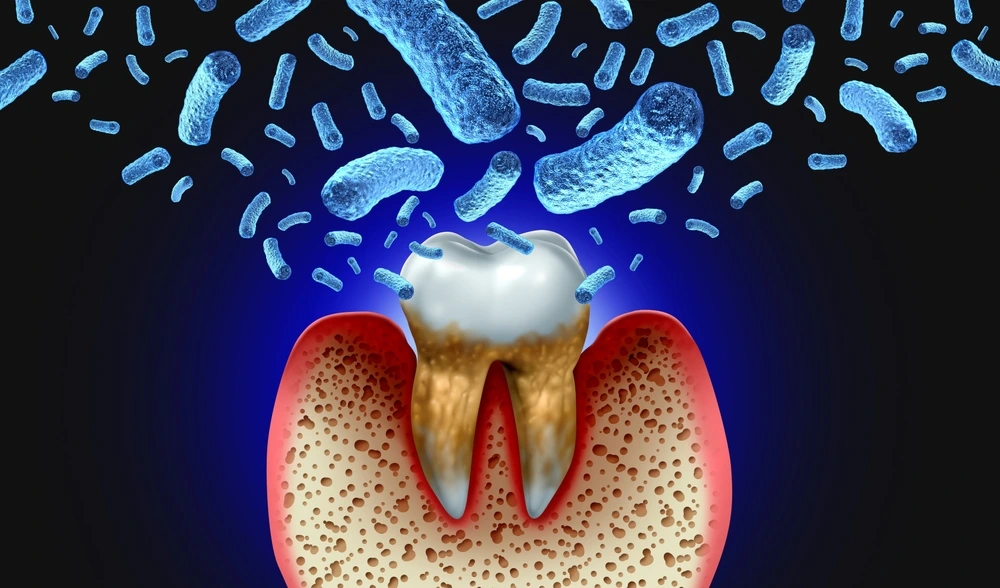
Cavities, also known as dental caries, occur when bacteria in your mouth feed on sugars and fermentable carbohydrates left behind after eating. As these bacteria digest food particles, they produce acids that gradually erode tooth enamel.
Over time, repeated acid attacks weaken the tooth surface and create small openings in the enamel that develop into cavities.
The more frequently your teeth are exposed to sugars and starches, the more opportunities bacteria have to cause damage.
The Diet and Tooth Decay Connection
While brushing and flossing remove plaque and bacteria, your diet often determines how much fuel those bacteria receive.
A diet high in sugar, refined carbohydrates, and acidic foods creates conditions that promote tooth decay. In contrast, a well-balanced diet to prevent tooth decay supports saliva production, supplies essential minerals, and helps maintain a healthier oral pH.
The result is a stronger smile and a reduced risk of cavities.
Best Foods to Prevent Cavities
The good news is that there are several foods that prevent tooth decay by strengthening enamel and limiting bacterial activity.
Crunchy Fruits and Vegetables
Apples, carrots, celery, and cucumbers are excellent choices. Their high fiber content stimulates saliva flow, which naturally rinses away food particles and neutralizes acids.
These foods also provide a gentle cleansing effect on tooth surfaces.
Dairy Products
Milk, cheese, and plain yogurt are among the best foods to prevent cavities because they're rich in calcium and phosphates.
These nutrients help remineralize weakened enamel and restore minerals lost during acid attacks. Cheese also promotes a healthier oral pH by encouraging saliva production.
Leafy Greens
Spinach, kale, and broccoli provide calcium, folic acid, and essential vitamins that support healthy teeth and gums.
Adding leafy greens to your meals is a simple way to improve both oral and overall health.
Nuts and Seeds
Almonds, sesame seeds, and sunflower seeds contain minerals that benefit enamel while remaining naturally low in sugar.
They're also satisfying snack options that won't feed harmful oral bacteria.
Unsweetened Tea
Green and black teas contain polyphenols that may help reduce plaque accumulation and bacterial growth.
However, because darker teas can contribute to staining, it's helpful to learn how to enjoy beverages without harming teeth through habits such as rinsing with water afterward and limiting added sugars.
Water
Plain water—particularly fluoridated tap water—is one of the most effective cavity-fighting beverages available.
Water rinses away food particles, dilutes acids, supports saliva production, and provides fluoride that helps strengthen enamel.
Foods to Avoid to Prevent Cavities
Knowing foods to avoid to prevent cavities is just as important as understanding what to include in your diet.
Sugary Drinks
Sodas, sweetened coffees, sports drinks, energy drinks, and fruit juices expose teeth to both sugar and acid.
Many people don't realize that acidic drinks harm enamel even when they don't taste particularly sour. Repeated exposure increases the risk of both erosion and decay.
Sticky Snacks
Gummy candies, dried fruits, caramel, and chewy snack bars cling to tooth surfaces and are difficult for saliva to remove.
If you're curious about the best and worst candies for teeth, sticky and sour candies are typically among the most problematic because they combine sugar with prolonged exposure.
Refined Carbohydrates
White bread, crackers, chips, and similar snacks break down quickly into sugars that feed cavity-causing bacteria.
Highly Acidic Foods
Citrus fruits, vinegar-based foods, and tomatoes can weaken enamel when consumed excessively or without proper oral care.
Frequent Snacking
It's not just what you eat but how often you eat it.
Constant snacking means your teeth spend more time exposed to acid attacks, giving enamel less opportunity to recover.
Smart Eating Habits for a Healthier Smile
You don't have to eliminate every treat from your diet. A few simple habits can make a significant difference.
Eat Sweets With Meals
Consuming desserts during meals rather than alone encourages increased saliva production, helping neutralize acids more effectively.
Rinse Instead of Brushing Immediately
After consuming acidic foods or drinks, wait at least 30 minutes before brushing. Acids temporarily soften enamel, and brushing too soon may contribute to wear.
Instead, rinse with water.
Limit Between-Meal Snacking
Allow your mouth time to recover between meals. Choosing fewer snacks reduces the number of acid attacks throughout the day.
Choose Water More Often
Replacing sugary beverages with water is one of the simplest ways to support a food to avoid tooth decay strategy and improve overall oral health.
What About Sugar-Free Alternatives?
Sugar-free gum and candies can be beneficial when used appropriately.
Products containing xylitol deserve particular attention. Xylitol is a natural sweetener that may help reduce cavity-causing bacteria while stimulating saliva production.
However, it's important to understand the myth of sugar free products. Just because something is labeled sugar-free doesn't automatically make it tooth-friendly. Some products still contain acidic flavorings or ingredients that may contribute to enamel erosion over time.
Reading labels and discussing options with your dentist can help you make informed choices.
Foods to Eat When You Have a Cavity
While no food can reverse a cavity that has already formed, choosing the right foods may help minimize discomfort and support your oral health until treatment.
If you're searching for foods to eat when you have a cavity, consider softer, nutrient-rich options such as:
- Plain yogurt
- Scrambled eggs
- Smoothies without added sugar
- Cooked vegetables
- Cheese
- Oatmeal
- Soups that aren't overly hot
Avoid extremely sugary, sticky, or hard foods that may worsen sensitivity or place additional stress on the affected tooth.
Why Diet Alone Isn't Enough
Although choosing the best foods to prevent cavities can significantly lower your risk of tooth decay, nutrition should complement—not replace—good oral hygiene habits.
For the best protection against cavities, combine healthy eating with:
- Brushing twice daily using fluoride toothpaste
- Daily flossing
- Professional dental cleanings and exams every six months
- Fluoride treatments when recommended by your dentist
At Schaumburg Dental Studio, we look beyond brushing habits to understand the complete picture of your oral health, including your lifestyle and dietary choices.
The Bottom Line
Can diet really prevent cavities?
The answer is yes—to a degree. A tooth-friendly diet can reduce your risk of decay by strengthening enamel, supporting saliva production, and limiting the fuel that cavity-causing bacteria rely on.
Making mindful food choices, understanding which foods that prevent cavities deserve a place on your plate, and avoiding habits that increase acid exposure can make a meaningful difference in your long-term oral health.
When combined with regular dental care, these choices become one of your strongest defenses against tooth decay.
Schedule a Cavity Prevention Consultation at Schaumburg Dental Studio
Ready to take control of your oral health from the inside out?
Whether you're struggling with recurring cavities or simply want personalized guidance on building a healthier lifestyle, our team at Schaumburg Dental Studio is here to help.
Schedule your consultation today and discover how nutrition, preventive care, and smart daily habits can support a lifetime of healthier smiles.
Frequently Asked Questions on Foods to Prevent Cavities
What are the best foods that prevent cavities?
Some of the best cavity-fighting foods include cheese, plain yogurt, leafy greens, crunchy fruits and vegetables, nuts, seeds, and fluoridated water. These foods support enamel health, encourage saliva production, and reduce the effects of harmful acids.
Can diet alone prevent tooth decay?
Diet plays a major role in reducing cavity risk, but it isn't enough on its own. Regular brushing, flossing, fluoride use, and professional dental visits are essential components of preventing tooth decay.
What foods should I avoid to prevent cavities?
Limiting sugary drinks, sticky candies, refined carbohydrates, and frequent snacking can help reduce your risk of cavities. Foods high in sugar and acid provide fuel for the bacteria responsible for tooth decay.
Are sugar-free products good for your teeth?
Some sugar-free products can benefit oral health, especially those containing xylitol. However, not all sugar-free foods are tooth-friendly, as certain products may still contain acidic ingredients that affect enamel.
What should I eat if I already have a cavity?
Soft, nutrient-rich foods such as yogurt, eggs, oatmeal, cheese, and cooked vegetables are generally easier to tolerate if you have a cavity. Avoid very sugary, sticky, hard, or extremely hot and cold foods until you've seen your dentist for treatment.

Contact Us
Our staff is happy to hear from you! Fill out our simple form to schedule your next visit and experience exceptional dental care in Schaumburg.

Email: office@sdsdentist.com
Phone: 847-882-3333

Monday: Closed
Tuesday–Thursday: 9:00 a.m. to 6:00 p.m.
Friday: 8:00 a.m. to 4:00 p.m.
Saturday: 8:00 a.m. to 2:00 p.m.
Sunday: Closed

We offer comprehensive dental services for all ages. Trust us as your go-to family dental office.


