
Why Does My Dental Implant Hurt Months Later? Causes and What to Do
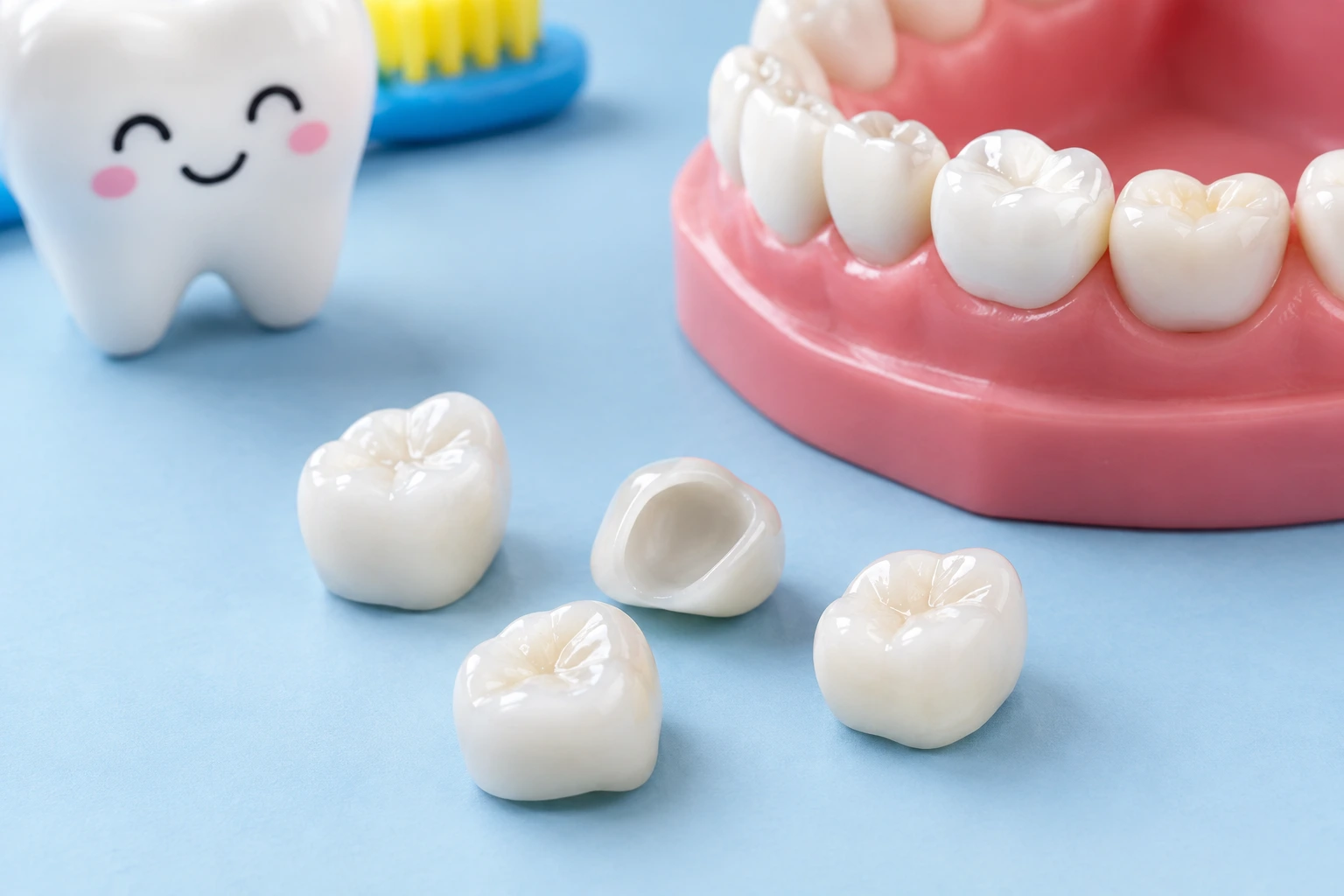
Dental implants are designed to provide a stable, long-lasting replacement for missing teeth. Once the implant has healed and integrated with the jawbone, most patients can return to eating, speaking, and smiling comfortably. So, what happens when your dental implant starts hurting months after the procedure?
Experiencing discomfort long after dental implant surgery can be concerning, especially if everything seemed to be healing normally. While occasional tenderness may have a relatively simple explanation, persistent pain, swelling, or pressure around an implant should never be ignored.
Late-onset dental implant pain can be associated with inflammation around the implant, infection, excessive biting pressure, changes in the surrounding bone, or problems with the implant restoration.
At Schaumburg Dental Studio, understanding the possible causes of dental implant discomfort can help patients recognize when professional evaluation is necessary. If you are experiencing implant pain, identifying the underlying problem is the first step toward protecting your oral health.
Is It Normal for a Dental Implant to Hurt Months Later?
Some discomfort is expected immediately after dental implant placement. The gums and surrounding tissues need time to heal, and the implant must integrate with the jawbone through a process called osseointegration.
However, once healing is complete, a dental implant should generally function without persistent pain.
If your implant begins hurting several months after placement, it may indicate an issue that needs attention.
The type of discomfort can provide useful clues:
- Pain when chewing: May indicate excessive bite pressure, a loose restoration, or problems with the supporting structures.
- Throbbing pain: May be associated with inflammation or infection.
- Tenderness around the gums: Could indicate irritation or inflammation around the implant.
- Swelling: May suggest an infection or inflammatory condition.
- Pain when touching the implant: May indicate irritation, tissue inflammation, or a mechanical problem.
These symptoms do not establish a diagnosis. A dental examination is necessary to determine what is happening.
7 Possible Reasons Your Dental Implant Hurts Months Later
1. Peri-Implantitis
One possible cause of late dental implant pain is peri-implantitis.
This is an inflammatory condition affecting the tissues surrounding a dental implant. It involves inflammation around the implant along with progressive loss of supporting bone.
Bacterial plaque can contribute to this condition, particularly when oral hygiene is inadequate or other risk factors are present.
Common warning signs include:
- Red or swollen gums around the implant.
- Bleeding during brushing.
- Pus around the implant.
- Persistent tenderness.
- Increasing pocket depth around the implant.
- Bone loss visible on dental imaging.
Early identification is important because untreated peri-implantitis can compromise implant stability.
2. Infection Around the Dental Implant
Bacterial infection can develop in the tissues surrounding an implant, even after the initial surgical healing period.
Patients may notice swelling, tenderness, discomfort while chewing, or discharge around the implant.
In some cases, an infection may develop in the surrounding gum tissue without immediately causing noticeable pain.
Treatment depends on the location and severity of the infection. Your dentist may recommend professional cleaning, management of the affected tissues, or additional treatment.
3. Excessive Biting Pressure
Dental implants do not have the same shock-absorbing periodontal ligament found around natural teeth.
Because of this, excessive biting forces can place considerable stress on the implant and its restoration.
If your bite is uneven or you frequently clench your teeth, the implant may experience more pressure than it can comfortably tolerate.
You may notice:
- Discomfort when biting down.
- Pressure around the implant.
- Pain when chewing hard foods.
- Tenderness that becomes noticeable after eating.
Your dentist can evaluate your bite and determine whether an adjustment is appropriate.
4. Teeth Grinding or Clenching
Bruxism, commonly known as teeth grinding, can place repeated pressure on dental restorations.
Many people grind or clench their teeth during sleep without realizing it.
Over time, excessive forces may contribute to discomfort, screw loosening, restoration damage, or complications involving the supporting structures.
If you have a history of teeth grinding, discuss it with your dentist. A custom nightguard may help protect your implant restoration and natural teeth.
5. A Loose Crown or Implant Component
Sometimes, the implant itself is not the problem. The crown or connecting components may have become loose.
A dental implant restoration typically includes several components, such as the implant fixture, abutment, and crown.
If a screw loosens or the crown becomes unstable, you may experience:
- Movement when chewing.
- Clicking sensations.
- Discomfort when biting.
- A crown that feels different from neighboring teeth.
A loose crown should be evaluated promptly. Do not attempt to tighten or repair it yourself.
6. Bone Loss Around the Implant
Dental implants rely on healthy supporting bone for stability.
Bone loss around an implant may occur due to peri-implantitis, excessive forces, surgical factors, or other biological complications.
As the supporting bone deteriorates, the implant may become increasingly uncomfortable or unstable.
Dental X-rays can help assess changes in the bone surrounding the implant.
7. Problems With the Nearby Teeth or Gums
Not every sensation near a dental implant originates from the implant itself.
A neighboring tooth may have a cavity, cracked structure, root infection, or gum inflammation.
These conditions can create discomfort that feels as though it is coming from the implant.
A complete dental examination helps identify the actual source of pain.
What Should You Do If Your Dental Implant Starts Hurting?
If you experience new discomfort months after implant placement, arrange a dental evaluation rather than waiting for the symptoms to disappear.
In the meantime, consider the following steps:
Avoid Chewing on the Affected Side
Give the area a break from excessive pressure. Choose softer foods until you receive professional guidance.
Maintain Gentle Oral Hygiene
Continue brushing and cleaning around the implant. Use a soft-bristled toothbrush and avoid aggressive scrubbing.
Avoid Trying to Move the Implant
Do not wiggle the implant or attempt to tighten any loose components.
Monitor Your Symptoms
Pay attention to swelling, bleeding, discharge, changes in mobility, or increasing discomfort.
Arrange a Dental Examination
A dentist can examine the implant, evaluate the surrounding gums, check your bite, and take dental X-rays when necessary.
If you experience rapidly spreading swelling, fever, or difficulty swallowing or breathing, seek urgent medical attention.
How Is Dental Implant Pain Diagnosed and Treated?
Treatment depends on what is causing the discomfort.
Your dentist may perform several assessments.
Clinical examination: The gums, implant restoration, and surrounding tissues are examined for inflammation, mobility, and other abnormalities.
Dental imaging: X-rays may help evaluate bone levels and the implant's position.
Bite assessment: Your dentist may check whether the implant is experiencing excessive chewing pressure.
Restoration evaluation: The crown, abutment, and connecting screws may be checked for loosening or damage.
Depending on the findings, treatment may involve:
- Professional cleaning around the implant.
- Bite adjustment.
- Repair or replacement of a damaged restoration.
- Treatment of peri-implant inflammation.
- Management of infection.
- More advanced treatment if significant bone loss is present.
Implant removal is not automatically necessary when pain develops. The treatment plan depends on whether the implant remains stable and whether the underlying problem can be controlled.
How Can You Prevent Dental Implant Problems?
Good maintenance plays an important role in the long-term health of dental implants.
- Brush twice daily with fluoride toothpaste.
- Clean between teeth and around implants every day.
- Use recommended interdental brushes or other cleaning aids.
- Attend regular dental examinations.
- Avoid smoking and tobacco products.
- Manage teeth grinding when necessary.
- Follow your dentist's instructions regarding implant maintenance.
Dental implants require ongoing care, even though the implant itself cannot develop tooth decay.
Frequently Asked Questions
Why does my dental implant hurt after six months?
Pain after six months may be related to peri-implantitis, infection, excessive biting pressure, bone loss, or a loose restoration. A dental examination is needed to identify the cause.
Can a dental implant get infected years after placement?
Yes. Infection and inflammation around dental implants can develop months or even years after placement. Regular maintenance and early evaluation of symptoms are important.
Should a dental implant hurt when I bite down?
A fully healed implant should generally allow comfortable chewing. Pain when biting may indicate excessive pressure, a loose restoration, or inflammation around the implant.
Can peri-implantitis cause dental implant failure?
Yes. Peri-implantitis can cause progressive bone loss around an implant. If left untreated, it may eventually compromise implant stability.
Can a painful dental implant be saved?
In many cases, the underlying problem can be treated without removing the implant. However, the outcome depends on the severity of inflammation, bone loss, and implant stability.
When should I contact a dentist about implant pain?
Contact your dentist promptly if you develop persistent pain, swelling, bleeding, discharge, or movement around an implant. Seek emergency medical care if you experience difficulty breathing or swallowing.
Conclusion
Dental implant pain months after placement is not something to dismiss. Although the implant may have healed successfully initially, inflammation, infection, excessive biting pressure, or mechanical problems can develop later.
The sooner the cause is identified, the better the opportunity to protect the implant and surrounding tissues.
Experiencing Dental Implant Pain in Schaumburg, IL?
If your dental implant has started hurting months after placement, contact Schaumburg Dental Studio for an evaluation. A dental examination can help identify the cause of discomfort and determine the most appropriate next steps for protecting your oral health.

Contact Us
Our staff is happy to hear from you! Fill out our simple form to schedule your next visit and experience exceptional dental care in Schaumburg.

Email: office@sdsdentist.com
Phone: 847-882-3333

Monday: Closed
Tuesday–Thursday: 9:00 a.m. to 6:00 p.m.
Friday: 8:00 a.m. to 4:00 p.m.
Saturday: 8:00 a.m. to 2:00 p.m.
Sunday: Closed

We offer comprehensive dental services for all ages. Trust us as your go-to family dental office.


