
What Is the Most Common Cause of Dental Implant Failure?
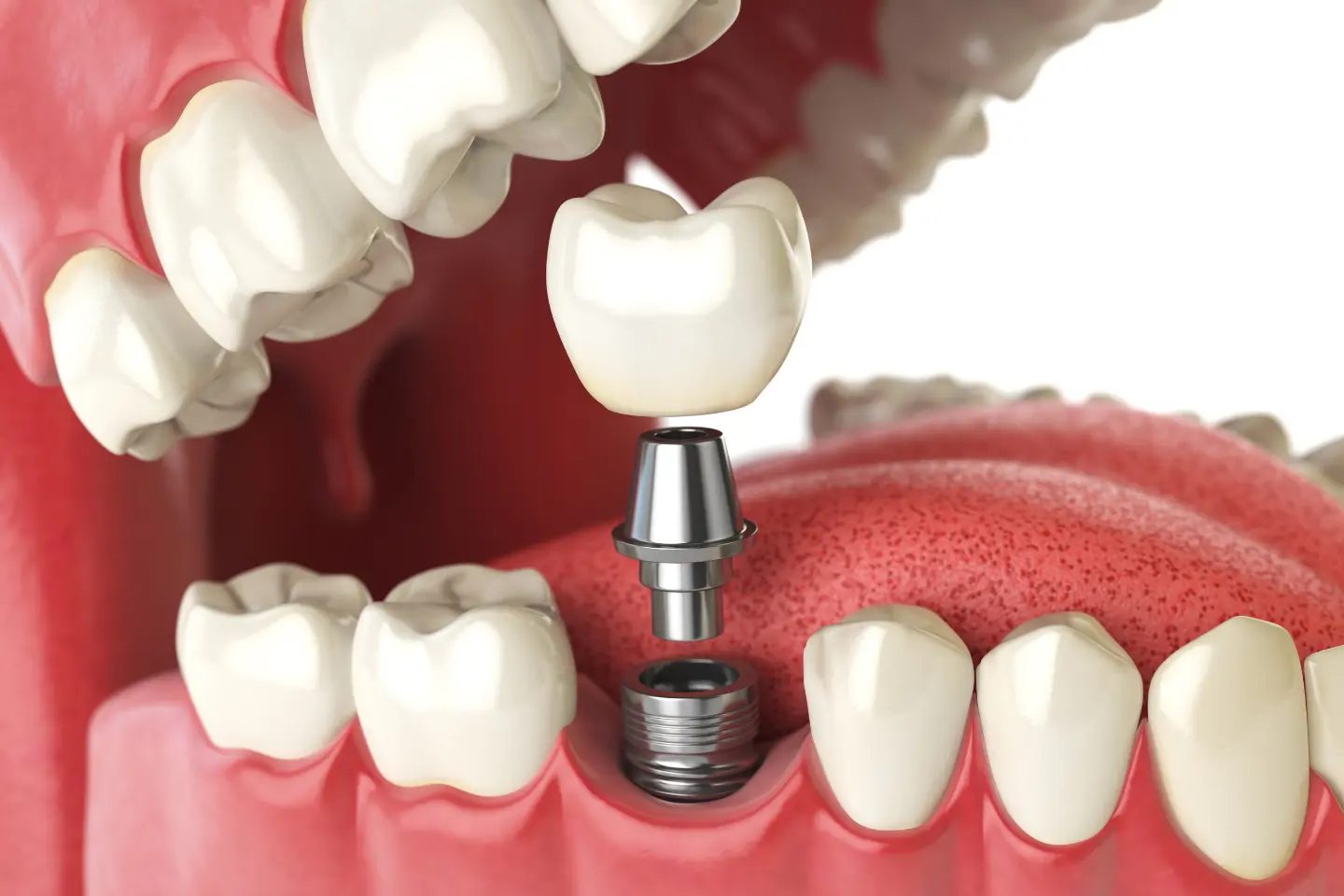
Dental implants have an incredibly high success rate, somewhere around 95 to 98 percent over a ten-year period. That is genuinely impressive and one of the reasons implants have become the gold standard for replacing missing teeth. But the small percentage that do fail is worth understanding, especially if you are considering getting one or are already in the process.
The honest reality is that most implant failures are not random, unpredictable events. They tend to have identifiable causes, many of which can be anticipated, prevented, or managed. This is what we talk through with every implant patient at Schaumburg Dental Studio before treatment begins.
The Most Common Cause: Peri-Implantitis
If you ask most dentists and oral surgeons what causes the majority of implant failures, the answer will be peri-implantitis. This is an infection of the gum and bone tissue surrounding a dental implant, and it is essentially the implant version of gum disease.
Here is what happens. Bacteria accumulate around the base of the implant at the gumline. If this buildup is not kept under control through good oral hygiene and regular professional cleanings, it triggers inflammation. That inflammation spreads to the bone, causing the bone to break down. When enough bone is lost, the implant loses its foundation and can fail.
The particularly tricky thing about peri-implantitis is that it can develop silently. Early on, there is often no pain. That is why your dentist in Schaumburg, IL checking your implants at regular cleanings is so valuable. Catching early signs of tissue inflammation or bone loss before it progresses is what prevents small problems from becoming implant failures.
Other Common Causes of Implant Failure
While peri-implantitis is the leading cause, it is not the only one. Several other factors can contribute to an implant failing, either early in the process or years down the road.
Insufficient Bone Volume or Density
An implant needs healthy, dense bone to integrate into. If a patient has significant bone loss from untreated gum disease, previous tooth extractions left too long, or other factors, there may not be enough bone to support a successful implant. Bone grafting can often address this, and at Schaumburg Dental Studio, we assess bone volume carefully before any implant placement to make sure we are setting you up for success.
Smoking and Tobacco Use
Smoking is one of the most significant risk factors for implant failure. It restricts blood flow to gum tissue, impairs healing after the implant surgery, and significantly increases the risk of infection. Studies consistently show that smokers have a notably higher implant failure rate than non-smokers. Patients who smoke are counseled carefully at our Schaumburg dental office, and we discuss the risks openly before proceeding.
Uncontrolled Diabetes
Diabetes affects the body's ability to heal and fight infection. When blood sugar is poorly controlled, the risk of post-surgical infection and implant failure rises considerably. Patients with well-managed diabetes, however, can and do receive implants successfully. The key is control, and we coordinate with patients' physicians when appropriate.
Certain Medications
Some medications, particularly bisphosphonates used to treat osteoporosis, can affect bone metabolism in ways that impact how an implant integrates. It is critically important to give your dentist in Schaumburg, IL a complete and up-to-date medication list before any implant procedure.
Failed Osseointegration
Osseointegration is the process by which the implant fuses with the jawbone. In some cases, particularly in the weeks immediately following placement, this process does not occur successfully. This is known as early implant failure. Factors that can contribute include compromised healing, infection, or excessive movement of the implant site before fusion is complete.
Overloading the Implant
Placing a crown or restoration on an implant before osseointegration is complete can cause the implant to fail by putting stress on it before the bond with bone is strong enough. This is why the timeline for implant treatment matters. Rushing the process for the sake of convenience can be costly.
Warning Signs of a Failing Implant
Knowing what to watch for can mean the difference between saving an implant and losing one. Contact Schaumburg Dental Studio promptly if you notice any of the following.
- Pain around the implant site that persists beyond the normal healing period
- Gum recession or inflammation around the base of the implant
- Difficulty chewing or a change in how the implant feels when you bite
- Visible movement in the implant, even slight wobbling
- Swelling, discharge, or bleeding from the tissue around the implant
How to Protect Your Implant and Prevent Failure
The great news is that the vast majority of implant complications are preventable. Here is what your implant's long-term success depends on.
- Brush twice daily and floss or use a water flosser around the implant every day
- Attend all scheduled follow-up appointments without skipping
- Get professional cleanings at least twice a year, or more if recommended
- Quit smoking or commit to not starting
- Keep systemic conditions like diabetes managed in coordination with your physician
- Wear a night guard if you grind your teeth
What Happens if an Implant Fails?
If an implant fails, it is not necessarily the end of the road. In many cases, the failed implant can be removed, the site can be allowed to heal, and once adequate bone and tissue health is restored, a new implant can be placed. The success rate for replacement implants is comparable to first-time placements when the underlying cause of failure has been addressed.
At Schaumburg Dental Studio, we take a thorough, individualized approach to implant treatment. We evaluate every risk factor upfront, create a realistic treatment plan, and walk with patients through every step of the process. If you are considering implants or have concerns about an existing one, we are here to help.
Thinking About Dental Implants in Schaumburg, IL?
If you are considering dental implants or have questions about an existing one, schedule a consultation with our team at Schaumburg Dental Studio. We are committed to honest assessments, realistic expectations, and implant care that lasts. Call us or book online and let us talk through your options.

Contact Us
Our staff is happy to hear from you! Fill out our simple form to schedule your next visit and experience exceptional dental care in Schaumburg.

Email: office@sdsdentist.com
Phone: 847-882-3333

Monday: Closed
Tuesday–Thursday: 9:00 a.m. to 6:00 p.m.
Friday: 8:00 a.m. to 4:00 p.m.
Saturday: 8:00 a.m. to 2:00 p.m.
Sunday: Closed

We offer comprehensive dental services for all ages. Trust us as your go-to family dental office.


