
How to Brush Your Teeth Without a Toothbrush: 5 Easy Alternatives
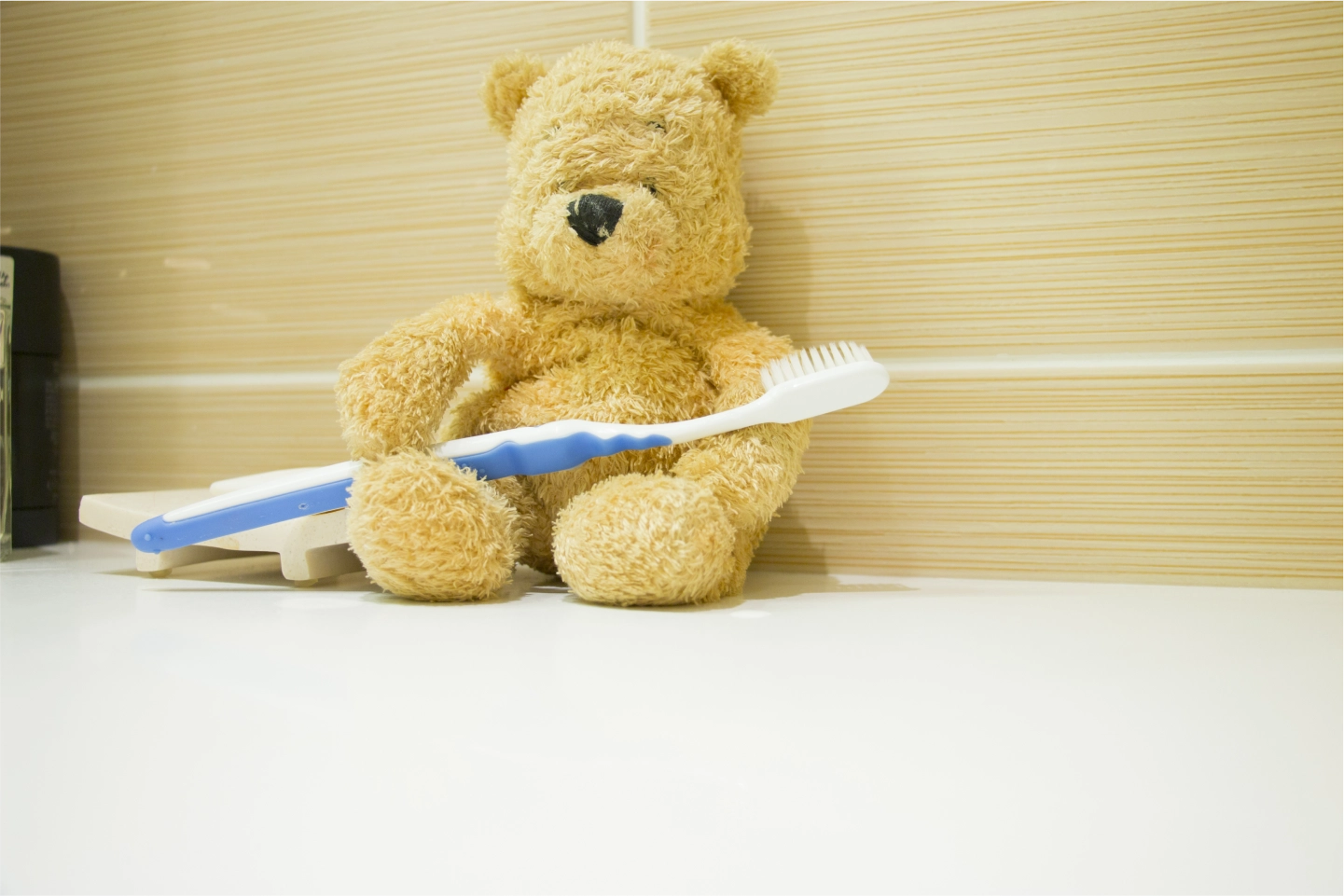
Life can be unpredictable. Whether you're rushing between meetings, backpacking through nature, heading to school, or sitting through a long flight, maintaining your oral hygiene routine can sometimes be difficult. Many people have experienced that moment of panic: forgot toothbrush, what to do now? Should you simply ignore the buildup on your teeth until you get home?
Fortunately, your oral health doesn't have to suffer just because you don't have access to your usual dental supplies. While brushing twice daily with fluoride toothpaste remains the gold standard, there are practical ways to freshen your mouth and reduce plaque buildup when you're in a pinch. If you've ever wondered what to do if you don't have a toothbrush, the good news is that several temporary solutions can help you maintain a cleaner, fresher mouth until you can brush properly again.
Whether your toothbrush was accidentally left behind, misplaced during travel, or unavailable during an emergency, knowing how to brush your teeth without a toothbrush can make all the difference. Below are five effective techniques to help you care for your smile when conventional brushing isn't an option.
If you don't have a toothbrush, rinse your mouth vigorously with water for 30–60 seconds, floss if you have it, and wipe your teeth and gumline with a clean paper towel or cloth. These steps won't replace brushing, but they'll keep your mouth clean until you can brush properly.
While knowing how to manage without your usual dental supplies is helpful, prevention is always better than improvisation. Practicing proper toothbrush storage when traveling or at home can reduce the chances of contamination and help ensure your toothbrush is ready whenever you need it.
Water: The Simplest Way to Clean Teeth Without Brushing
The quickest, easiest, and most accessible way to clean your mouth without a toothbrush and toothpaste is to vigorously swish warm water around your mouth. This action helps loosen trapped food debris, rinse away loose particles, and reduce the accumulation of bacteria on tooth surfaces.
If you're wondering how to clean teeth without brushing, rinsing with water is often the first and most practical step. While it isn't a substitute for regular brushing, it serves as an excellent temporary solution when you're away from home.
Swishing water can also help freshen your breath and stimulate saliva production, which naturally helps protect your teeth. If available, warm salt water may offer additional benefits because of its mild cleansing properties and ability to soothe irritated gums.
If you've ever found yourself asking, "Forgot toothbrush, what to do?" start with a thorough water rinse. It's simple, effective, and available almost anywhere.
Although rinsing with water is a useful temporary solution, it should never become a reason to routinely skip brushing teeth. These alternatives are designed to bridge the gap until you can return to your regular oral hygiene routine.
Paper Towel Method
If water alone doesn't feel sufficient, a clean paper towel or freshly washed thin cloth can serve as a makeshift alternative.
Wrap the clean material around your finger and gently rub it over your teeth and along the gumline. The friction can help remove visible plaque, food particles, and surface buildup. While this method isn't as effective as a toothbrush, it can significantly improve how your mouth feels until you're reunited with your usual oral hygiene tools.
For those searching for how to brush your teeth without a toothbrush, this technique offers a practical short-term solution. Just be sure the cloth or paper towel is clean to avoid introducing additional bacteria into your mouth.
Understanding what to do if you don't have a toothbrush often comes down to being resourceful with the safe materials available to you.
Baking Soda
Before modern toothpaste became widely available, baking soda was commonly used to clean teeth. Its mild abrasive properties help remove surface stains, while its alkaline nature helps neutralize acids in the mouth.
To use this method, mix a small amount of baking soda with water to create a paste. Apply it gently to your teeth using a clean finger, allow it to sit briefly, and rinse thoroughly afterward.
Many people researching how to clean your teeth without a toothbrush discover baking soda as a temporary alternative because it can help freshen breath and reduce acidity. However, moderation is important. Because baking soda is mildly abrasive, it shouldn't be used frequently as a replacement for regular toothpaste.
If you're trying to figure out how to clean teeth without toothbrush access while traveling or during an unexpected situation, baking soda can be a helpful short-term option.
Flossing: An Effective Way to Clean Teeth Without Brushing
If you don't have your toothbrush or toothpaste but happen to have dental floss, you're in luck.
Flossing removes food particles and plaque from areas between your teeth that even a toothbrush can sometimes miss. It also reduces the opportunity for harmful bacteria to accumulate in these tight spaces.
When combined with rinsing thoroughly with water, flossing becomes one of the most effective strategies for how to clean teeth without brushing. Keeping a small container of floss in your wallet, backpack, purse, or desk drawer can save you from uncomfortable situations and help maintain oral hygiene throughout the day.
For anyone wondering how to clean teeth without toothbrush access during travel, flossing provides significant benefits until you can resume your normal routine.
Oil Pulling: A Natural Method to Clean Teeth on the Go
Oil pulling has gained popularity as a complementary oral hygiene practice. This traditional Ayurvedic technique involves swishing approximately one teaspoon of oil in your mouth for 10–15 minutes before spitting it out.
Sesame and coconut oils are commonly used, although sunflower and olive oils may also work.
Some studies suggest that oil pulling may help reduce certain oral bacteria and improve breath freshness. However, scientific evidence remains limited, and oil pulling should never replace brushing and flossing.
For individuals exploring how to clean your teeth without a toothbrush, oil pulling may serve as an occasional supplementary option. After swishing, spit the oil into a trash can rather than the sink to avoid plumbing issues, and rinse thoroughly with warm water.
While it isn't a cure-all, it represents another answer to the question of what to do if you don't have a toothbrush and are looking for natural alternatives.
Forgot Your Toothbrush While Traveling? Here's What to Do
- Ask before you buy: hotel front desks, airport lounges, and flight attendants often have small amenity kits with a spare toothbrush tucked inside, so it's always worth asking before assuming you have to buy one.
- Know your 24-hour options: if you land late at night or a pharmacy is closed, gas stations and hotel gift shops are usually your most reliable backup for a toothbrush and toothpaste.
- Pack a backup, permanently: keep a spare travel toothbrush and travel-size toothpaste tucked into your carry-on, gym bag, or car console so a forgotten toothbrush stops being a recurring problem. Our Dental Emergency Kit Checklist covers what else is worth keeping on hand.
Additional Tips When You Forgot Your Toothbrush
If you've ever experienced that sinking feeling of realizing you left your toothbrush behind, don't panic. Beyond the methods above, consider these practical strategies:
- Chew sugar-free gum containing xylitol to stimulate saliva production and help wash away food particles.
- Drink plenty of water throughout the day to reduce dry mouth and naturally cleanse the oral environment.
- Avoid sugary snacks and sticky foods until you're able to brush properly.
- Visit a nearby pharmacy, convenience store, or hotel front desk, as many locations carry travel-sized dental products.
Conclusion: Stay Fresh Anywhere, Anytime
Being without your toothbrush doesn't have to mean neglecting your dental health. While nothing replaces brushing twice daily with fluoride toothpaste and flossing regularly, there are creative and effective ways to maintain oral hygiene when you're on the move.
Whether you rinse with water, use a clean cloth, reach for dental floss, try baking soda, or explore oil pulling, these methods can temporarily reduce plaque buildup and help freshen your breath until you have access to your regular dental care routine.
Understanding how to brush your teeth without a toothbrush gives you confidence to handle unexpected situations without compromising your oral health.
Once you're back to your normal routine, you may also want to revisit your daily oral care habits, including choosing between an electric or manual toothbrush based on your individual needs and preferences. Using the right tools consistently plays a significant role in maintaining long-term oral health.
In addition, maintaining a healthy oral hygiene routine can support cosmetic treatments such as teeth whitening, helping preserve a brighter smile and reducing the buildup of stains between professional cleanings.
Most importantly, these alternatives should only bridge the gap until proper brushing and flossing can resume. If you frequently struggle to maintain your oral hygiene routine while traveling or have concerns about your dental health, contact Schaumburg Dental Studio today. Our team is here to help keep your smile healthy, wherever life takes you.
Frequently Asked Questions on Brushing Without Toothbrush
Q. What should I do if I forgot my toothbrush while traveling?
If you forgot your toothbrush, start by rinsing thoroughly with water to remove food particles. Floss if possible, chew sugar-free gum, and stay hydrated. Many hotels, pharmacies, and convenience stores also offer travel-sized toothbrushes and toothpaste to help you get back to your normal routine quickly.
Q. Can I clean my teeth without brushing for one day?
Yes, missing one brushing session isn't usually harmful if you use temporary alternatives such as rinsing with water, flossing, or chewing sugar-free gum. However, these methods shouldn't replace regular brushing, as plaque buildup can increase if proper oral hygiene is neglected for extended periods.
Q. Is baking soda safe for cleaning teeth?
Baking soda can be used occasionally as a temporary substitute because it helps neutralize acids and remove surface stains. However, because it is mildly abrasive, frequent use without professional guidance is not recommended. It's best used only in emergency situations until toothpaste is available.
Q. Does oil pulling actually help oral health?
Some research suggests oil pulling may reduce certain bacteria in the mouth and improve breath freshness. However, evidence remains limited, and it should be viewed as a complementary practice rather than a replacement for brushing, flossing, and routine dental visits.
Q. What is the best alternative if I don't have a toothbrush or toothpaste?
Rinsing with water combined with flossing is often the most effective temporary solution. A clean cloth wrapped around your finger can also help remove visible plaque. These methods can help maintain oral cleanliness until you can return to your normal oral hygiene routine.
Q. Is there a good toothbrush substitute I can use in an emergency?
A clean piece of gauze, a soft washcloth, or your finger wrapped in a clean cloth works well as a stand-in toothbrush in an emergency, just make sure whatever you use is clean before it touches your teeth and gums.
Q. What can I use instead of a toothbrush in a pinch?
In a pinch, wrapping a clean, damp cloth or piece of gauze around your finger and rubbing it along your teeth and gumline is one of the fastest options. It's less thorough than a toothbrush, but better than doing nothing until you can brush properly.
Q. How can I clean my teeth without toothpaste?
You can still brush without toothpaste, wet your toothbrush and brush as usual, since the physical brushing motion is what removes most plaque. A small pinch of baking soda mixed with water can stand in for toothpaste if you'd like something with mild cleaning power.
Q. Are there travel-friendly alternatives to a toothbrush I can buy ahead of time?
Yes, disposable finger toothbrushes, chewable toothbrush tablets, and mini travel toothbrush-and-toothpaste kits are inexpensive and widely sold at pharmacies, making them easy to toss in a bag before a trip.
Q. What can I use as a makeshift toothbrush?
A clean, damp washcloth or paper towel wrapped around a finger, or a piece of gauze, both work well as a temporary, makeshift toothbrush until you have the real thing.

Contact Us
Our staff is happy to hear from you! Fill out our simple form to schedule your next visit and experience exceptional dental care in Schaumburg.

Email: office@sdsdentist.com
Phone: 847-882-3333

Monday: Closed
Tuesday–Thursday: 9:00 a.m. to 6:00 p.m.
Friday: 8:00 a.m. to 4:00 p.m.
Saturday: 8:00 a.m. to 2:00 p.m.
Sunday: Closed

We offer comprehensive dental services for all ages. Trust us as your go-to family dental office.


