
Why Does My Dental Crown Hurt Years Later? 7 Possible Causes
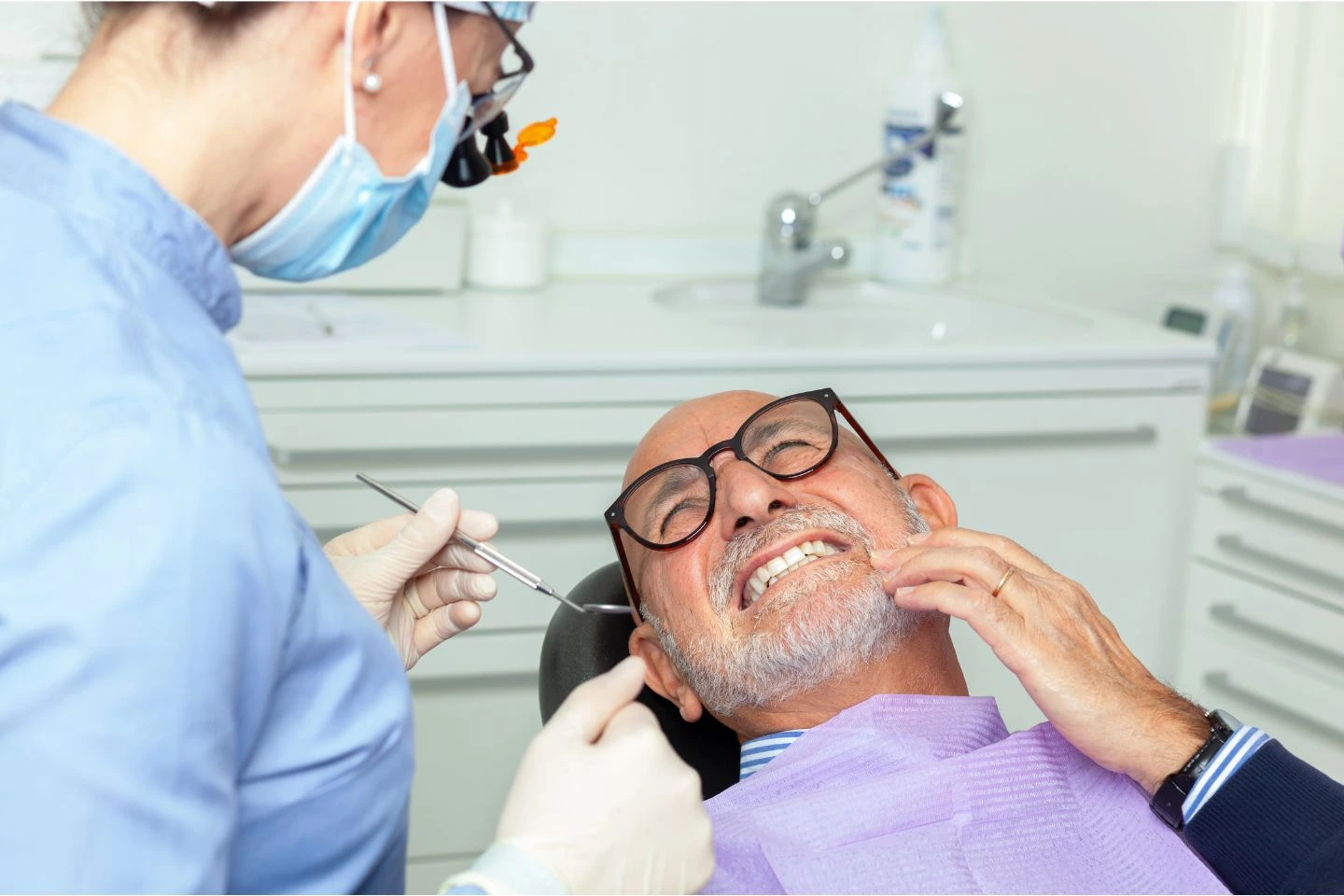
A dental crown can protect a damaged or weakened tooth for many years. So, if the tooth under your crown suddenly starts hurting after months or even years without any problems, it is understandable to wonder what went wrong.
Pain around an older crown does not always mean the crown itself has failed. The discomfort may come from the tooth underneath, the surrounding gum tissue, your bite, or a new dental problem. In some cases, the crown may need to be repaired or replaced. In others, treating the underlying issue may be enough.
If you have a painful crown, a visit to a dentist in Schaumburg, IL can help determine the cause before the problem becomes more serious.
1. Tooth Decay May Have Developed Around the Crown
A crown covers most of the visible portion of a tooth, but it does not completely eliminate the possibility of decay.
The edge of a crown meets the natural tooth structure at the gumline. If plaque and bacteria collect around this area, decay can develop along the crown margin. This is sometimes called recurrent or secondary decay.
You may notice:
- Sensitivity to hot or cold foods
- Pain when eating sweets
- Toothache around the crowned tooth
- Bad taste or odor near the tooth
- A visible dark area around the crown
- Food frequently getting caught near the crown
Decay underneath or around a crown can be difficult to identify without a dental examination and, in some cases, dental X-rays.
Regular checkups with a Schaumburg dentist can help identify problems before they become painful.
2. The Tooth May Have Developed an Infection
One of the more important reasons for pain under an old dental crown is an infection inside the tooth.
If the tooth previously had a large filling or extensive decay, the nerve may have been compromised. Sometimes the nerve becomes inflamed or infected years after the crown was placed.
An infected tooth may cause:
- Persistent throbbing pain
- Sensitivity to heat
- Pain when biting
- Swelling around the tooth
- A pimple or bump on the gum
- A bad taste in the mouth
- Pain that wakes you up at night
If bacteria reach the pulp, a root canal may be necessary to remove the infection and preserve the tooth.
Not every painful crown requires root canal treatment, but persistent or worsening pain should not be ignored.
3. Your Crown May Be Cracked or Damaged
Dental crowns are designed to withstand everyday chewing, but they are not indestructible.
Years of chewing, grinding, biting hard foods, or an accidental injury can damage a crown. Sometimes the damage is visible, but small cracks may not be obvious.
A damaged crown may cause sharp pain when you bite down or release your bite. You may also notice that the tooth feels different when chewing.
If your crown is cracked, your dentist will evaluate whether it can be repaired or whether replacing the crown would be a better option.
4. Your Bite May Have Changed
Your teeth are constantly exposed to pressure during chewing. Changes in your bite can sometimes cause a crowned tooth to receive more force than it should.
Teeth can shift over time, and dental work placed years earlier can interact differently with your current bite.
If the crown feels painful mainly when you chew or bite down, your dentist may check your bite to see whether the crowned tooth is taking excessive pressure.
In some situations, a minor adjustment can make a significant difference.
This is also one reason why you should not assume that every painful crown needs to be replaced.
5. You May Be Grinding or Clenching Your Teeth
Bruxism, or teeth grinding and clenching, can place substantial stress on dental crowns and natural teeth.
Many people grind their teeth while sleeping without realizing it. Others clench during the day, particularly when concentrating or feeling stressed.
Signs that grinding may be affecting your crown include:
- Morning jaw soreness
- Headaches
- Flattened or worn teeth
- Tooth sensitivity
- Cracked dental work
- Pain when biting
- Increased discomfort around several teeth
If grinding is contributing to your symptoms, your dentist may recommend a custom nightguard or other treatment based on your individual needs.
6. The Gum Around the Crown May Be Inflamed
Sometimes the problem is not inside the tooth at all.
The gum surrounding an older crown can become irritated by plaque buildup, tartar, an improperly fitting restoration, or gum disease.
Inflamed gums may appear red, swollen, or tender. You may also notice bleeding when brushing or flossing.
If the discomfort is primarily around the gumline, your dentist can check the crown, gum tissue, and surrounding teeth to identify the source.
Keeping the area clean is particularly important when you have a crown. Flossing around the crown and maintaining regular professional cleanings can help reduce plaque and gum inflammation.
7. A Problem With a Nearby Tooth May Feel Like Crown Pain
Dental pain can sometimes be surprisingly difficult to pinpoint.
A neighboring tooth may have a cavity, crack, infection, or sensitivity that feels as though it is coming from the crowned tooth.
This is why diagnosing crown pain based only on where the discomfort seems to occur can be misleading.
Your dentist may examine several teeth, test their sensitivity, check your bite, inspect your gums, and take X-rays when needed.
When Should You See a Dentist for Crown Pain?
Occasional mild sensitivity may not always indicate an emergency, but persistent or worsening pain deserves professional attention.
Make an appointment with a dentist in Schaumburg, IL if:
- Pain lasts more than a few days
- The pain is getting worse
- You have swelling
- The tooth hurts when you bite
- You notice a crack or loose crown
- Your gum is bleeding or swollen
- You develop sensitivity that was not there before
- You notice a bad taste or drainage
Seek urgent dental care if significant swelling, fever, facial swelling, or severe pain develops.
How Is Pain Under a Dental Crown Treated?
Treatment depends entirely on the cause.
For example, your dentist may recommend:
- A filling for decay near the crown
- Professional cleaning for gum inflammation
- Bite adjustment for excessive pressure
- Root canal treatment for an infected tooth
- Crown repair for minor damage
- Crown replacement when the restoration is no longer suitable
The goal is to treat the actual problem rather than automatically replacing the crown.
How Long Should a Dental Crown Last?
The lifespan of a dental crown varies depending on the material, oral hygiene, bite forces, location of the tooth, and other factors.
A crown can last many years with appropriate care, but it does not make the underlying tooth permanently immune to decay or other dental problems.
Brushing twice daily, cleaning between your teeth, limiting excessive sugar, avoiding using your teeth to open packages, and attending regular dental appointments can all help protect your crown.
Schedule an Evaluation at Schaumburg Dental Studio
If an old dental crown has started hurting, do not assume you simply need a new crown. The cause could be anything from gum irritation to a problem inside the tooth.
Schaumburg Dental Studio can evaluate your symptoms and help determine the most appropriate next step. If you are looking for a dentist in Schaumburg, IL for dental crown concerns, schedule an appointment for an examination.
FAQ
Q1: Why does my dental crown hurt years later?
A: Pain years after crown placement can result from decay, infection, a cracked crown, gum disease, bite changes, teeth grinding, or a problem with a nearby tooth. A dental examination is the best way to identify the cause.
Q2: Can a tooth under a crown get infected years later?
A: Yes. A tooth can develop infection after a crown has been in place for years. This may happen if bacteria reach the pulp through decay, cracks, or other pathways.
Q3: Does crown pain always mean I need a new crown?
A: No. Treatment depends on the cause. Some problems can be managed with a bite adjustment, cleaning, filling, or root canal treatment. A crown only needs replacement when the restoration itself is damaged, poorly fitting, or otherwise no longer suitable.
Q4: Can a dentist fix pain under an old crown?
A: Often, yes. Your dentist will first determine whether the pain is coming from the crown, tooth, gums, bite, or a neighboring tooth. Treatment can then be tailored to the specific problem.

Contact Us
Our staff is happy to hear from you! Fill out our simple form to schedule your next visit and experience exceptional dental care in Schaumburg.

Email: office@sdsdentist.com
Phone: 847-882-3333

Monday: Closed
Tuesday–Thursday: 9:00 a.m. to 6:00 p.m.
Friday: 8:00 a.m. to 4:00 p.m.
Saturday: 8:00 a.m. to 2:00 p.m.
Sunday: Closed

We offer comprehensive dental services for all ages. Trust us as your go-to family dental office.


