
My Dental Crown Feels Too High: Is It Normal?
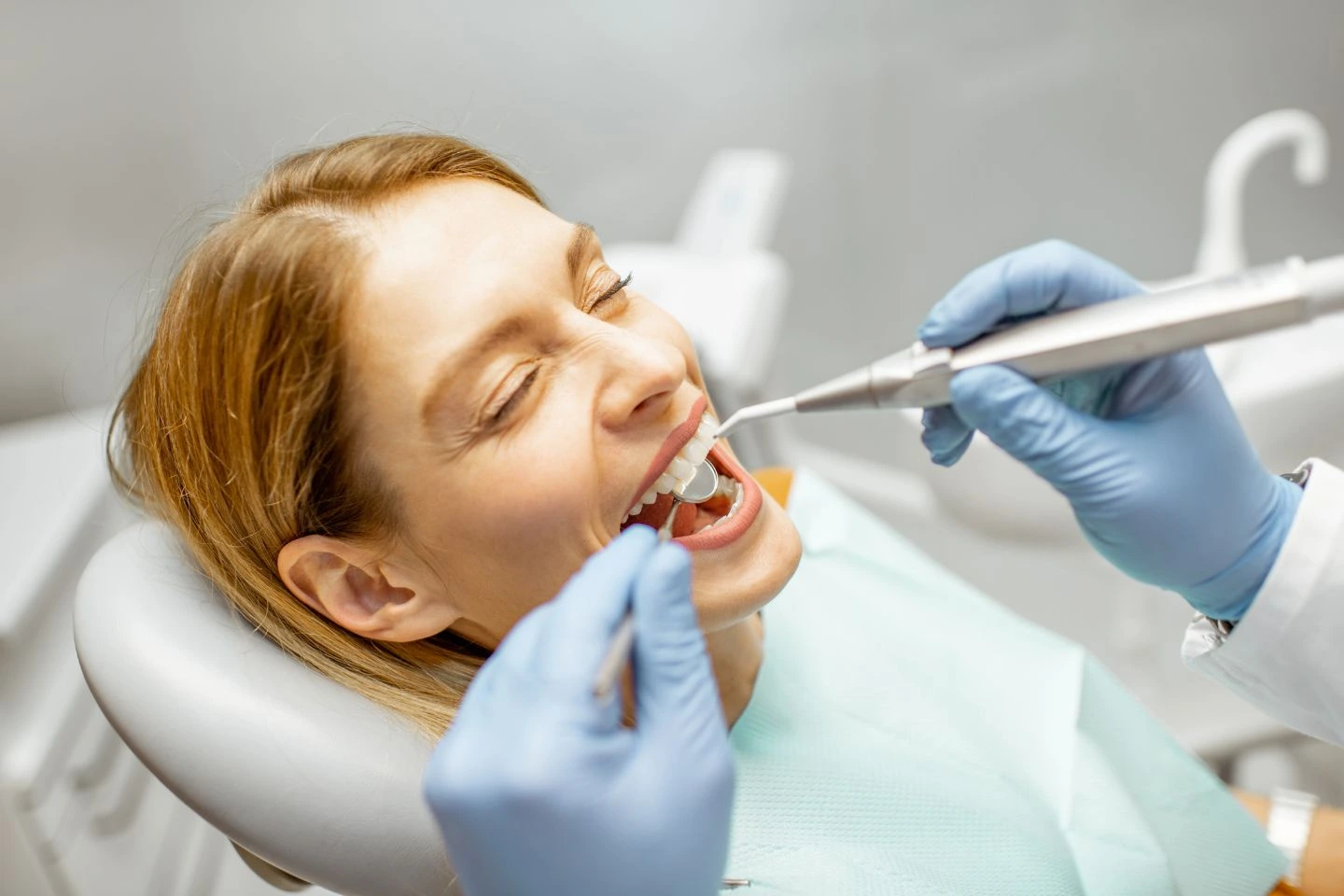
Getting a dental crown can restore a damaged tooth and make it easier to eat, speak, and smile comfortably. However, one common complaint after crown placement is that the tooth feels "too high."
You may notice that the crowned tooth touches the opposing tooth before your other teeth do. It may feel uncomfortable when you bite down, or you may feel pressure in the area every time you chew.
A slightly unfamiliar feeling immediately after dental work can be normal. However, a crown that consistently feels too high or causes pain when biting should be checked by a dentist.
If you recently received a crown or have an older crown that suddenly feels different, a dentist in Schaumburg, IL can evaluate your bite and determine whether an adjustment is needed.
What Does a Crown That Feels Too High Mean?
A crown that feels too high generally means the restoration is making contact with the opposing tooth sooner or more strongly than the surrounding teeth.
Your teeth normally come together in a coordinated pattern. Even a small difference in the height of a dental crown can change how pressure is distributed when you bite.
You may describe the sensation as:
- The tooth feels taller than the others
- One tooth hits first when you close your mouth
- The crown feels uncomfortable while chewing
- You have pain when biting down
- The tooth feels bruised or pressured
- Your jaw feels slightly different after treatment
These symptoms do not necessarily mean the crown was poorly made. Sometimes a minor adjustment is all that is needed.
Is It Normal for a New Crown to Feel Different?
Yes, some adjustment to a new crown is normal.
Your tongue may notice the new shape, and your bite may feel different because the tooth has a new restoration. Mild sensitivity can also occur after dental treatment.
However, there is an important difference between noticing a new crown and having a crown that is interfering with your bite.
If the crown feels noticeably higher every time you close your teeth, or if chewing causes pain, contact your dentist rather than waiting for the discomfort to disappear.
Why Does a High Crown Hurt?
When one crown receives excessive biting pressure, the tissues supporting the tooth can become irritated.
The tooth is held in the jaw by a periodontal ligament, which contains nerves and helps absorb chewing forces. If the crowned tooth is repeatedly exposed to more pressure than intended, this ligament can become inflamed.
This may create a sensation similar to a bruised tooth.
You may experience:
- Pain when chewing
- Tenderness when biting
- A feeling of pressure
- Sensitivity around the tooth
- Discomfort that continues several days after placement
The good news is that an overly high crown can often be corrected without replacing the entire restoration.
What Happens During a Crown Adjustment?
If your dentist determines that your crown is too high, they may make a small adjustment to its biting surface.
The dentist will carefully evaluate how your teeth come together. Special dental marking material can show where the crown is contacting the opposing teeth.
A small amount of material may then be removed from the crown to create a more balanced bite.
The adjustment is generally straightforward. Your dentist will check your bite again afterward to make sure the contact is comfortable.
Can a High Crown Cause Long-Term Problems?
An untreated bite problem can place unnecessary stress on a tooth and its surrounding structures.
Depending on the situation, excessive pressure may contribute to:
- Persistent tooth discomfort
- Inflammation around the tooth
- Difficulty chewing
- Wear on opposing teeth
- Stress on other dental restorations
- Jaw discomfort
Not every high-feeling crown causes these problems, but persistent symptoms are worth evaluating.
What If the Crown Has Been in Place for Years?
If your crown has felt comfortable for years and has suddenly started feeling high, the cause may be different.
Changes in your bite can occur because of:
- Tooth movement
- New dental work
- Tooth wear
- A cracked or damaged tooth
- Changes in an opposing tooth
- Grinding or clenching
In this situation, your dentist will examine your overall bite rather than assuming the crown itself has changed.
Can Teeth Grinding Make a Crown Feel High?
Yes. Grinding and clenching can alter the way your teeth contact each other.
Bruxism can also place significant stress on dental crowns. If you regularly grind your teeth, you may notice jaw soreness, headaches, worn teeth, or damaged dental work.
If your crown feels uncomfortable and you also grind or clench, tell your dentist. A nightguard or other treatment may be recommended depending on your needs.
Should You Wait for a High Crown to "Settle"?
You should not assume that a crown that clearly feels too high will automatically settle.
While mild sensitivity and awareness of a new restoration can improve as you become accustomed to it, a bite that is consistently uncomfortable may require adjustment.
If you are unsure whether your symptoms are normal, it is better to contact your dental office. A quick evaluation can help determine whether the crown simply needs time or needs an adjustment.
What Should You Do After Getting a New Crown?
Follow your dentist's instructions after crown placement.
Depending on the type of restoration and cement used, you may be advised to avoid certain foods temporarily. Good oral hygiene is also important.
Continue to:
- Brush twice a day
- Clean between your teeth daily
- Follow your dentist's recommendations
- Avoid chewing very hard objects
- Attend routine dental appointments
If the crown feels high or painful, let your dentist know rather than trying to alter it yourself.
When Should You Call a Dentist?
Contact a dentist in Schaumburg, IL if:
- Your crown hits before your other teeth
- You have pain when biting
- The discomfort is increasing
- You cannot chew comfortably
- Your tooth remains sensitive
- The crown feels loose
- Your jaw becomes sore
- The bite feels different for more than a few days
A loose crown, severe pain, facial swelling, or signs of infection should be addressed promptly.
Need a Crown or Bite Evaluation in Schaumburg?
If your dental crown feels too high, you do not necessarily need to live with the discomfort. Schaumburg Dental Studio can examine your bite and determine whether a simple adjustment or another treatment is appropriate.
If you are searching for a dentist in Schaumburg, IL for dental crown care, schedule an appointment to have the area evaluated.
FAQ
Q1: How long does it take for a new crown to feel normal?
A: Some people notice their new crown for several days as they adjust to its shape. However, persistent pain when biting or a crown that clearly feels higher than the surrounding teeth should be evaluated by your dentist.
Q2: Can a dentist lower a crown if it feels too high?
A: In many cases, yes. Your dentist can evaluate your bite and make a careful adjustment to the crown's biting surface when appropriate.
Q3: What happens if I leave a high crown untreated?
A: A crown that places excessive pressure on a tooth can cause ongoing discomfort and may irritate the tissues supporting the tooth. It is best to have persistent bite problems evaluated.
Q4: Does a high crown mean the crown needs to be replaced?
A: Not necessarily. If the crown is otherwise healthy and properly positioned, a minor bite adjustment may resolve the problem.

Contact Us
Our staff is happy to hear from you! Fill out our simple form to schedule your next visit and experience exceptional dental care in Schaumburg.

Email: office@sdsdentist.com
Phone: 847-882-3333

Monday: Closed
Tuesday–Thursday: 9:00 a.m. to 6:00 p.m.
Friday: 8:00 a.m. to 4:00 p.m.
Saturday: 8:00 a.m. to 2:00 p.m.
Sunday: Closed

We offer comprehensive dental services for all ages. Trust us as your go-to family dental office.


