
Can I Drink Coffee After a Tooth Extraction? What You Need to Know for a Safe Recovery
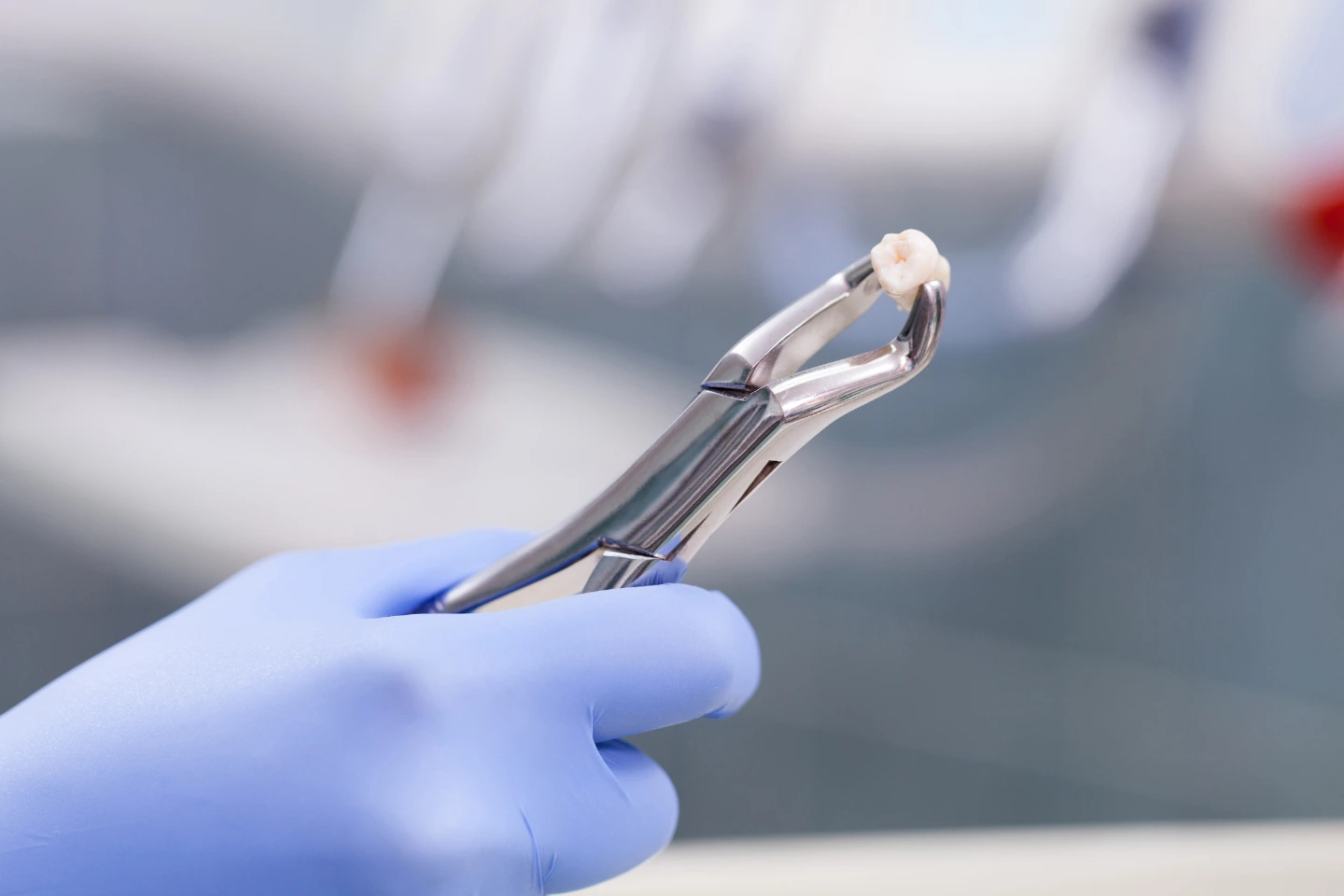
For many of us, a morning cup of coffee is a non-negotiable part of the day. It wakes us up, gets us moving, and provides a comfortable routine. But if you just had a tooth pulled, or if you are planning for an upcoming dental surgery, your regular routine is about to face a temporary roadblock. One of the most common questions patients ask after oral surgery is: can I drink coffee after a tooth extraction?
It is a completely reasonable thing to ask. When you are feeling tired and recovering from a dental procedure, a warm cup of coffee sounds like the perfect comfort. However, rushing back to your favorite caffeinated drink too soon can cause major problems for your healing mouth.
The short answer is that you need to wait before enjoying your coffee again. Rushing the process can lead to severe pain and delay your recovery. At Schaumburg Dental Studio, we want to make sure your healing process goes as smoothly as possible. Let us look at the facts about coffee and oral surgery recovery so you can protect your smile and avoid unnecessary pain.
The Short Answer: When Can You Have Coffee?
As a general rule, you should avoid hot coffee for at least 24 to 48 hours after a tooth extraction. Your mouth needs this initial window of time to start the healing process without any disruptions.
While a day or two without coffee might sound difficult, it is a small price to pay to avoid a painful complication known as a dry socket. After the first 48 hours, you can usually start bringing coffee back into your routine, but you still have to follow specific rules regarding temperature and how you drink it.
Why Hot Coffee Is Dangerous After an Extraction
To understand why your dentist tells you to skip the coffee, it helps to know what happens in your mouth right after a tooth is pulled. Once the dentist removes the tooth, your body naturally forms a blood clot in the empty socket. This blood clot is incredibly important. It acts as a protective blanket over the exposed bone and nerve endings underneath. It also serves as the foundation for new bone and gum tissue to grow. Understanding the full tooth removal procedure can help you appreciate why protecting this blood clot is so important for proper healing.
If that blood clot is disturbed, moved, or dissolved, the sensitive bone and nerves become completely exposed to air, food, and liquids. This leads to a dry socket, which is widely known as one of the most painful dental issues you can experience. Hot coffee puts this clot at risk in a few different ways.
The Heat Can Melt the Clot
The most obvious danger is the temperature of the coffee. Hot liquids can literally dissolve or break apart the delicate blood clot that is trying to form in your gums. In the first 24 hours, the clot is very fragile. Exposing it to hot coffee, hot tea, or even hot soup can wash the clot away, leaving your extraction site completely unprotected.
Caffeine Rises Blood Pressure
Caffeine is a natural stimulant. It makes your heart beat faster and causes your blood pressure to rise. When your blood pressure goes up right after a surgery, it can cause the blood vessels in your gums to throb. This can trigger renewed bleeding at the extraction site, making it much harder for your body to form and keep a stable blood clot.
Dehydration Risks
Caffeine is also a diuretic, which means it encourages your body to lose water. Staying hydrated is a vital part of cell recovery and healing. If you drink too much coffee and fail to drink enough plain water, your mouth will dry out. A dry mouth is a breeding ground for bacteria, which can increase your risk of developing a painful infection in your healing gums.
The Golden Rule: Absolutely No Straws
Even if you decide to drink iced coffee instead of hot coffee, there is another massive danger you must avoid: straws.
You must never use a straw to drink anything for at least a week after a tooth extraction. When you use a straw, it creates a powerful vacuum suction inside your mouth. This physical suction force can easily pop the blood clot right out of the empty tooth socket.
It does not matter if you are drinking water, a smoothie, or an iced latte; if you use a straw, you are putting yourself at a very high risk for a dry socket. Always sip your liquids directly from a cup, or use a spoon if necessary.
What About Iced Coffee or Cold Brew?
If you feel like you absolutely cannot survive without your caffeine fix, you might wonder if iced coffee is a safe alternative during the first 24 hours.
While iced coffee is much safer than hot coffee because it will not melt the blood clot, you still need to be very careful. If you choose to have iced coffee or cold brew after the first 24 hours, remember these rules:
- Skip the Straw: Sip the cold coffee directly from the rim of a regular glass or cup.
- Keep It Plain: Try to avoid adding massive amounts of sugar, syrups, or heavy dairy. High amounts of sugar can encourage bacterial growth around your wound if you cannot brush your teeth normally yet.
- Do Not Drink It Immediately: Give your mouth at least a full day to rest before trying any cold coffee drinks. Stick to plain water for the first several hours after your appointment.
Safe Alternative Drinks for Your First 24 Hours
During the first day of your dental extraction recovery, your main goal should be resting and keeping your body hydrated. The best options for your mouth are simple, plain liquids that do not require any chewing or suction.
The absolute best choice is room-temperature or cold water. Water keeps your mouth clean, helps wash away loose food particles, and keeps your tissues hydrated without causing any irritation.
If you want something with a little more flavor, you can have apple juice, cranberry juice, or clear broths. Just make sure the broth has cooled down to room temperature before you try to drink it. Lukewarm herbal teas like chamomile can also be soothing, as long as they are completely free of caffeine and are not served hot.
Other Essential Tips for a Smooth Recovery
Avoiding hot coffee is just one piece of the puzzle when it comes to healing after a tooth extraction. To ensure your mouth recovers quickly and without complications, keep these helpful tips in mind:
- Take It Easy: Avoid heavy lifting, intense workouts, and strenuous physical activity for the first two to three days. Physical exertion raises your heart rate and can cause bleeding to start again.
- Eat Soft Foods: Stick to a soft food diet for the first few days. Great options include yogurt, applesauce, mashed potatoes, scrambled eggs, and smoothies eaten with a spoon. Avoid anything crunchy, sharp, or full of small seeds that could get stuck in the open socket. Following proper recovery diet recommendations can make the healing process more comfortable and help reduce complications.
- Be Gentle with Oral Hygiene: Do not brush the teeth right next to the extraction site for the first 24 hours. After the first day, you can gently rinse your mouth with warm salt water to kill bacteria and soothe your gums, but do not spit forcefully. Let the water roll out of your mouth into the sink.
Trust Your Smile to Schaumburg Dental Studio
Whether you need a simple tooth pulling, wisdom teeth removal, or a more complex oral surgery, having the right dental team makes all the difference. At Schaumburg Dental Studio, we walk you through every step of your treatment, providing clear instructions and compassionate care to ensure a fast, comfortable recovery. If you are experiencing dental pain, or if you need to schedule an appointment with an experienced dentist, we are ready to help you. Contact our office today to set up your visit and get the high-quality care your smile deserves.
Frequently Asked Questions About Coffee and Tooth Extractions
Can I drink coffee 24 hours after a tooth extraction?
A: You can usually bring coffee back into your routine after 24 hours, but it must be lukewarm or iced. You must avoid hot coffee for at least 48 hours to ensure the blood clot is safe. Additionally, remember to sip it directly from a cup and never use a straw.
What should I do if I accidentally drank hot coffee right after surgery?
A: If you accidentally had a few sips of hot coffee, try not to panic. Stop drinking it immediately and switch to cold water to cool down your mouth. Watch the area closely for any signs of renewed bleeding or sudden, throbbing pain. If the site starts bleeding heavily or if you develop severe pain over the next couple of days, contact your dentist right away.
Can I put cream and sugar in my coffee during recovery?
A: It is best to limit sugar and heavy cream during the first few days of your recovery. Sugar can feed the bacteria in your mouth, and dairy products can sometimes leave a film that traps bacteria around the extraction wound. If you do use cream or sugar, make sure to gently rinse your mouth with plain water afterward to keep the area clean.
How long does it take for the extraction site to heal completely?
A: The initial healing phase, where the gums close over the empty socket, usually takes about one to two weeks. However, the bone underneath takes several months to fully fill in and heal. As long as you follow your post-op instructions and protect the blood clot, you should feel back to normal within a few days.

Contact Us
Our staff is happy to hear from you! Fill out our simple form to schedule your next visit and experience exceptional dental care in Schaumburg.

Email: office@sdsdentist.com
Phone: 847-882-3333

Monday: Closed
Tuesday–Thursday: 9:00 a.m. to 6:00 p.m.
Friday: 8:00 a.m. to 4:00 p.m.
Saturday: 8:00 a.m. to 2:00 p.m.
Sunday: Closed

We offer comprehensive dental services for all ages. Trust us as your go-to family dental office.


