
Can I Brush My Teeth After Wisdom Teeth Extraction? A Safe Recovery Guide
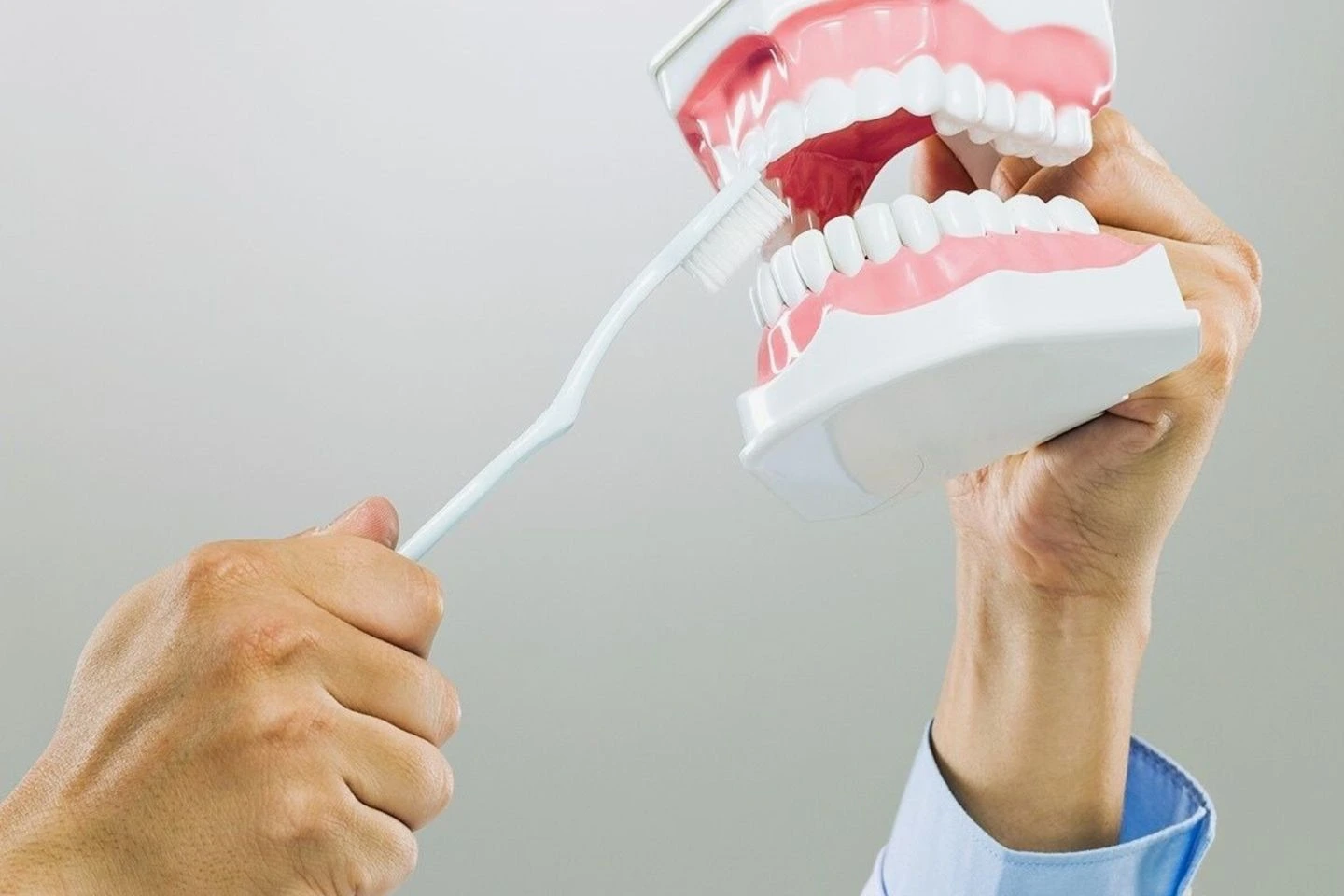
Having your wisdom teeth removed is a major milestone in taking care of your oral health, but the immediate aftermath can leave you feeling a bit dazed and full of questions. Once the anesthesia wears off and you are resting comfortably on the couch with an ice pack pressed to your cheek, your thoughts will naturally turn to basic daily tasks. You might look at your toothbrush and wonder: Can I brush my teeth after a wisdom teeth extraction, or will I ruin the healing process?
It is an excellent question. On one hand, you want to keep your mouth clean to prevent harmful bacteria from causing a painful infection. On the other hand, your surgical sites are incredibly delicate, and a reckless swipe of your toothbrush could easily disrupt your recovery.
At Schaumburg Dental Studio, we believe that a smooth recovery relies on clear, compassionate guidance. To help you navigate your healing journey safely, let let us look at the rules for brushing your teeth after a wisdom teeth extraction, step by step instructions for the first few days, and tips from a trusted dentist in Schaumburg, IL, to ensure your mouth stays clean without compromising your health.
The Short Answer: Timing Is Everything
The brief answer is yes, you can brush your teeth after a wisdom teeth extraction, but you absolutely cannot brush them normally on the first day.
During the first twenty four hours following oral surgery, your mouth is working incredibly hard to initiate the healing process. The most vital part of this early stage is the formation of a blood clot in the empty tooth socket. This blood clot serves as a protective blanket, shielding the exposed bone and sensitive nerve endings beneath the surface while new tissue grows over them.
If you stick a toothbrush into the back of your mouth too early, you risk dislodging that delicate blood clot. Knocking the clot loose can lead to a highly painful, frustrating complication known as a dry socket, which stalls your recovery and requires an urgent visit to your dental office.
A Day-by-Day Oral Hygiene Guide for a Smooth Recovery
To keep your mouth fresh while fully protecting your surgical sites, implement this careful, day by day oral hygiene routine.
Day 1: The Twenty Four Hour No Brush Zone
For the first twenty four hours after your extraction, you must keep your toothbrush completely away from your mouth. Do not use standard toothpastes, do not spit, and do not use commercial mouthwashes. Spitting creates a powerful suction force inside your mouth that can easily pop the blood clot right out of its socket.
If your mouth feels dirty or tastes like blood, you can gently drink small sips of cool water, letting the liquid pool in your mouth before leaning over a sink and letting it drool out naturally. Do not spit the water out forcefully.
Day 2: Proceed with Extreme Caution
Once you pass the twenty four hour mark, you can introduce your toothbrush back into your routine, but you must be incredibly gentle. Use a manual toothbrush with ultra soft bristles.
You can brush your front teeth, your tongue, and the chewing surfaces of your other teeth, but you must completely bypass the extraction sites at the very back of your mouth. Leave a generous safety zone around the wounds.
When you are finished brushing, do not rinse with force or spit. Instead, mix one half teaspoon of salt into a glass of warm water. Take a gentle sip of this warm salt water rinse, tilt your head from side to side to let it bathe your mouth, and let it glide out into the sink effortlessly.
Days 3 to 7: Gradual Progress and Gentle Cleaning
By the third day, the blood clots should be relatively stable, but the surrounding gum tissue will still be quite tender and swollen. Continue to brush your natural teeth with care, slowly moving a bit closer to the back of your mouth while still avoiding direct contact with the actual extraction sockets.
Keep up with your warm salt water rinses after every meal to flush away trapped food particles. Clean extraction sites are much less likely to develop painful bacterial infections.
Week 2 and Beyond: Returning to Your Normal Daily Routine
By the second week, your gums should be healing beautifully, and any residual jaw stiffness should begin to fade. You can gradually return to your normal brushing and flossing routines, using light pressure as you clean around the back molars.
However, keep in mind that deep sockets can take several weeks to fill in completely with new bone and tissue, so continue to avoid aggressively poking the areas with hard objects or toothpicks.
Critical Recovery Mistakes to Avoid After Wisdom Teeth Extraction
Brushing incorrectly is not the only hazard to watch out for during your recovery. Keep these vital rules in mind to keep your healing on track.
Never Use a Straw
Drinking through a straw creates a powerful vacuum inside your mouth. This intense suction is one of the most common causes of a dislodged blood clot and a subsequent dry socket. Stick to drinking directly from a cup or using a spoon for smooth soups and smoothies for at least the first week.
Say No to Aggressive Spitting
As mentioned before, spitting is highly dangerous for early healing. If you are brushing your teeth on day two or three, simply open your mouth over the sink and let the foam and saliva fall out naturally. It might look a little messy, but it protects your sockets perfectly.
Avoid Strenuous Physical Activity
Resting your body is a crucial component of oral healing. For the first two to three days after your oral surgery, avoid heavy lifting, intense workouts, or fast running. Increased physical exertion raises your systemic blood pressure, which can cause your extraction sites to start bleeding actively again.
Steer Clear of Smoking and Vaping
The chemicals in tobacco and vape liquids directly restrict blood flow in your gums, severely slowing down your body's ability to heal wounds. Furthermore, the physical act of inhaling from a cigarette or vape device creates the exact same dangerous suction force as a drinking straw, dramatically increasing your risk of a dry socket. Avoid smoking for at least seventy two hours after your procedure.
Experience a Comfortable Recovery: Contact Schaumburg Dental Studio
Undergoing oral surgery can feel intimidating, but with the right aftercare routine and a supportive team by your side, your recovery can be smooth, predictable, and completely manageable. At Schaumburg Dental Studio, your comfort and long term health are our absolute highest priorities.
As a leading dentist in Schaumburg, IL, we take the time to guide you through every stage of your dental health journey, from your initial diagnostic checkups to your final healing milestones. Whether you need to schedule a consultation for wisdom teeth removal, require an evaluation for a nagging toothache, or simply want to find a dental home that treats you like family, our compassionate team is here to help. Contact us today to schedule your appointment and experience personalized, state-of-the-art dental care designed entirely around your lifestyle.
Frequently Asked Questions About Extraction Care
Q. What should I do if my extraction site starts bleeding after I brush?
A tiny amount of pink saliva or minor oozing is completely normal for the first forty eight hours. However, if you accidentally bump the area with your toothbrush and it begins to bleed actively, do not panic. Fold a clean piece of sterile gauze into a thick pad, place it directly over the bleeding site, and bite down with firm, continuous pressure for forty five minutes. Keep your head elevated and rest quietly. If the bleeding does not stop after a couple of cycles, contact your provider right away.
Q. When can I start using my electric toothbrush again?
It is best to switch to a gentle manual toothbrush for at least the first five to seven days. The high frequency vibrations and powerful automatic spinning motions of an electric toothbrush can easily slip out of your control and strike your swollen, sensitive gums, potentially disrupting the healing tissue.
Q. Can I use my favorite whitening toothpaste during recovery?
Avoid using whitening toothpastes, tartar control formulas, or intense mint mouthwashes for the first week. These products often contain strong chemicals, abrasive particles, and alcohol that can cause a burning sensation and irritate the open healing wounds in your mouth. Stick to a simple, mild fluoride toothpaste and warm salt water.
Q. What are the main warning signs of a dry socket or infection?
If you develop a dry socket, you will typically notice a sudden, severe, and throbbing pain that starts three to five days after the surgery. This pain often radiates up into your ear, temple, or neck and cannot be managed by standard pain relievers. Signs of a bacterial infection include a persistent bad taste in your mouth, severe swelling that worsens after the third day, a high fever, or difficulty swallowing. If you experience any of these symptoms, call your dental clinic immediately.

Contact Us
Our staff is happy to hear from you! Fill out our simple form to schedule your next visit and experience exceptional dental care in Schaumburg.

Email: office@sdsdentist.com
Phone: 847-882-3333

Monday: Closed
Tuesday–Thursday: 9:00 a.m. to 6:00 p.m.
Friday: 8:00 a.m. to 4:00 p.m.
Saturday: 8:00 a.m. to 2:00 p.m.
Sunday: Closed

We offer comprehensive dental services for all ages. Trust us as your go-to family dental office.


